
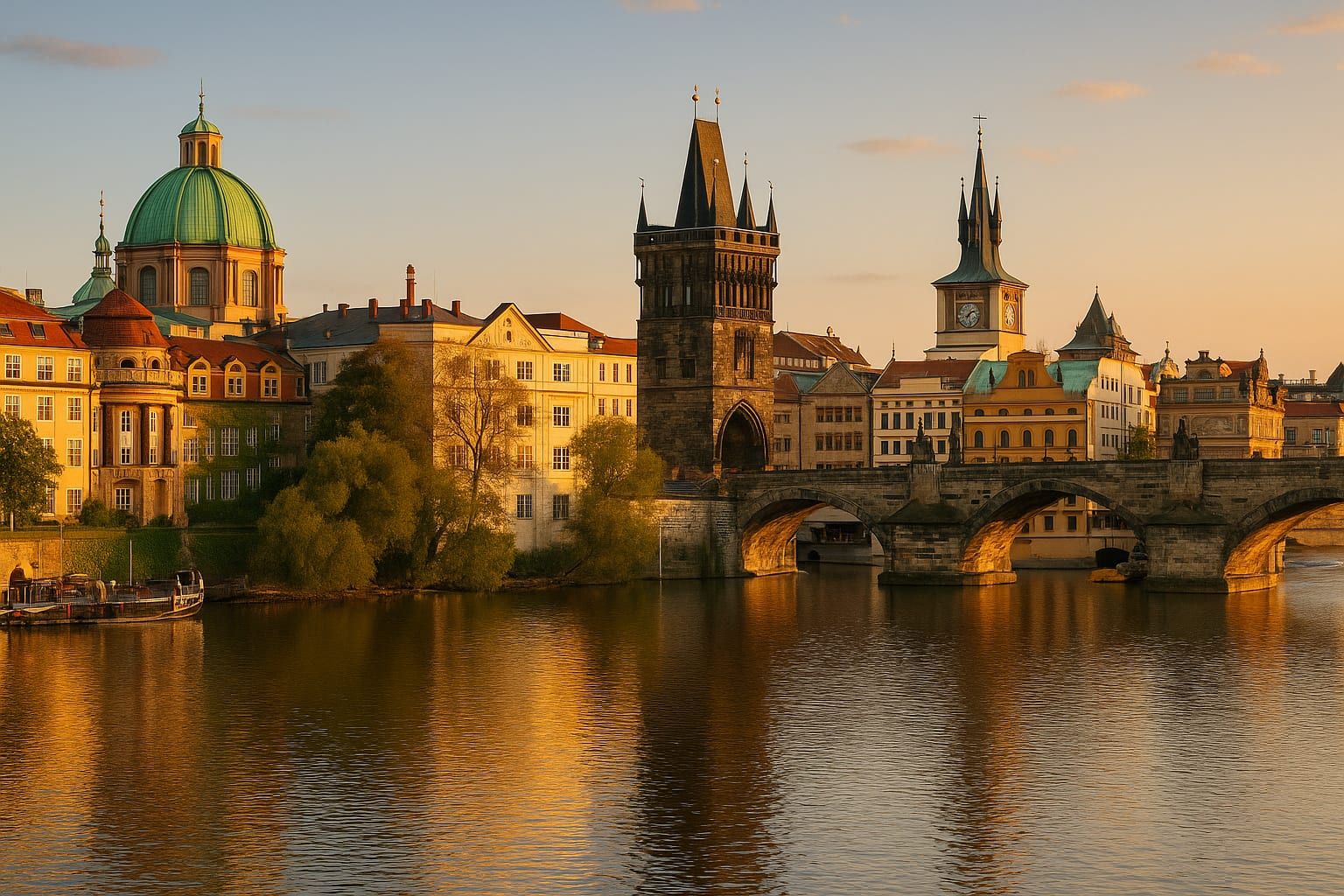
A practical guide to Europe's best hostels: top picks by traveler type, city-by-city budget options, booking tips, safety advice and money-saving strategies for a smarter trip.
Best Hostels in Europe: Budget Accommodation Guide
Europe is a backpacker’s playground — compact cities, efficient transport, rich culture and plenty of budget-friendly lodging. Hostels have evolved far beyond the dirty dorm stereotype: today’s hostels offer clean private rooms, coworking spaces, social events and world-class locations at a fraction of hotel prices. This guide helps you choose the right hostel for your style of travel, highlights standout examples across the continent, and gives practical tips to save money, stay safe, and connect with fellow travellers.
Why Choose a Hostel? The Real Benefits
Affordable sleeping and flexible options
Hostels charge per bed rather than per room, which keeps costs low for solo travellers and groups alike. Many hostels also offer private rooms — a great compromise if you want a quiet night without the hotel bill.
Built-in social life
From pub crawls to city tours and communal dinners, hostels are social hubs. If you’re traveling solo or want instant local connections, a hostel’s common room is an unbeatable ice-breaker.
Local knowledge
Hostel staff and fellow guests are often the best sources for up-to-date local tips: where to eat cheap, which neighborhoods to avoid at night, and off-the-beaten-path sights.
Practical extras
Shared kitchens, laundry, luggage storage and free walking tours can lower daily expenses and make travel logistics simpler.
How to Pick the Right Hostel (Checklist)
Before you book, run through this quick checklist:
- Location: close to public transport, not necessarily in the tourist center if that saves money.
- Security: lockers, 24/7 reception, coded access.
- Bed type: mixed dorm, female-only, or private room.
- Facilities: kitchen, laundry, drying room (important for hikers), and reliable Wi‑Fi.
- Atmosphere: party hostel vs chilled/quiet — read recent reviews.
- Cancellation and check-in policies: flexible options can save stress.
- Price vs value: sometimes paying a little more gets you better sleep, safer area, or a kitchen to cook and save.
Tip: filter reviews by recent travelers and look at comments specifically about cleanliness, location, and staff helpfulness rather than a single overall score.
Top Hostels by Traveler Type
Not all hostels are created equal. Here are picks based on travel style and needs.
Best for solo travelers
Look for hostels with daily events, free walking tours and a lively common area. Chains like St Christopher’s Inns (found in several major cities) or local favorites such as Hostel One (Prague, Budapest) prioritize meetups and group dinners.
Best for digital nomads
If you need reliable Wi‑Fi, working spaces and long-stay discounts, seek hostels with quiet coworking corners or partnerships with local cafés. Some hostels advertise “digital nomad-friendly” amenities — bunk up in major hubs like Lisbon, Barcelona, Berlin or Tallinn.
Best for families and groups
Larger hostels with private family rooms and en-suite facilities reduce the compromises of hostel travel. Look for family-friendly listings and check if there are child-safe features and quiet hours.
Best boutique/quiet hostels
Many converted townhouses and small independent hostels in cities like Porto, Riga, and Ljubljana offer a boutique feel — thoughtful design, calm common spaces and often a stronger emphasis on comfort over parties.
Best party hostels
If your trip is as much about nightlife as sightseeing, party hostels in Amsterdam, Barcelona and Prague organize pub crawls and nights out. Be sure to read policies on quiet hours and security if you need to sleep in.
Standout Hostels & Budget Cities (Examples & Local Tips)
Below are sample hostels and budget-friendly cities where hostel stays stretch your travel fund further.
Eastern Europe: Tallinn, Riga, Kraków, Sofia
- Tallinn: Red Emperor Hostel is a perennial budget favorite in Tallinn’s compact Old Town — perfect for strolling medieval streets at dawn. (Tip: Christmas season sees a spike in bookings; reserve early.)
- Riga: Riga’s compact center and affordable cafés make it ideal for hostel stays. Pair a hostel stay with a deep-dive into the city’s Art Nouveau on your free day. See our 3-day Riga itinerary for ideas: /en/itineraries/3-days-riga-art-nouveau-capital.
- Kraków and Sofia are both extremely budget-friendly, with central hostels a short walk from historic sights.
Local insight: Public transport in many Eastern European cities is inexpensive; choose a hostel near a tram or metro stop rather than the expensive city center.
Central Europe: Prague, Budapest, Vienna
- Prague and Budapest both offer high-value hostels with private rooms and dorms. Hostels often include free walking tours that orient you to hidden gems away from the tourist traps.
Local insight: In Budapest, check which side of the river your hostel is on — Pest has nightlife and restaurants, Buda is quieter and better for panoramic views.
Western & Southern Europe: Lisbon, Porto, Barcelona, Madrid
- Portugal’s cities are great for long stays: many hostels offer kitchen facilities and free coffee. Portugal can be a surprise bargain compared to Western European neighbors.
- Barcelona and Madrid have hostels for every vibe — just remember that Catalonia’s peak summer season runs long, so book in advance.
Local tip: In Spain, eating late is normal. A hostel kitchen can save money if you want to avoid late-night restaurant prices.
Nordic Europe: Helsinki, Reykjavik, Tallinn
- Hostels in Nordic capitals (e.g., Eurohostel in Helsinki) can be pricier than in Southern or Eastern Europe but still cheaper than hotels. Look for hostels that include breakfast to offset costs.
Local insight: Nordic hostels prioritize cleanliness and excellent public transit; sometimes staying slightly outside the center saves more than you expect.
Booking Strategies to Save Money
- Book early for peak months (May–September, December holidays). For shoulder seasons, booking 1–2 weeks ahead is often enough.
- Use a price-comparison mindset: check hostel websites, Hostelworld, Booking.com and direct booking — some hostels offer discounts for direct reservations.
- Long-stay discounts: Staying a week or more? Ask about weekly rates or work-exchange deals (help with reception, cleaning or social events in exchange for reduced fees).
- Consider private rooms in small hostels rather than budget hotels — they can be cheaper than a two-person hotel room and come with a more social atmosphere.
- Pack a cheap travel towel and padlock; many hostels charge for towels or locker rentals.
For more ways to stretch a small daily budget while traveling, see: /en/budget-travel/how-to-travel-europe-on-50-euros-a-day.
Safety, Security & Hostel Etiquette
Safety basics for staying in hostels:
- Lockers: Always use them and bring a padlock if the hostel doesn't provide one.
- Valuables: Use a money belt or lock valuables in the locker; don’t leave laptops unattended in common rooms.
- Meeting people: Trust your instincts. Hostels are social but don’t feel pressured to join every group activity.
- Night-time awareness: Know how to get back from bars and clubs; some hostels offer late-night check-in or a phone number to call staff.
Hostel etiquette:
- Quiet hours: Respect them — people sleep at different times.
- Packing away: Keep your bed area tidy and use earplugs if you’re a light sleeper.
- Clean up after cooking: Kitchens are shared spaces — leaving a mess can create friction with other guests.
Practical Tips for a Better Hostel Experience
- Choose your bunk: in dorms, lower bunks are easier for going in/out; top bunks can be less trafficked and more private if you’re comfortable climbing.
- Bring a small dry bag or resealable bags for wet swimming or beach items to avoid damping sheets when you return.
- Check-in times: If you’ll arrive early, ask about luggage drop. Many cities have luggage storage options near stations if hostels can’t help.
- Laundry: If you’re planning a long trip, choose hostels with coin washers or nearby laundromats. Air-drying spaces are invaluable.
- Local SIM/cards: Some hostels sell or help you pick a local SIM — handy on arrival for bookings and maps.
When to Avoid Hostels
Hostels are fantastic for social stays and savings, but consider alternatives if:
- You need guaranteed quiet for work or health reasons — a private room or budget hotel may be better.
- You’re traveling with very young children — family rooms exist, but hotels often offer more child-oriented amenities.
- You have a lot of luggage or mobility needs — stairs and top bunks can be difficult.
Final Words: Maximize Comfort, Minimize Cost
Hostels remain one of the best ways to see Europe on a budget without sacrificing experience. Pick a hostel that matches your travel style, use the checklist above, and combine smart booking with on-the-ground local knowledge to save money and time. Whether you’re swapping stories in a Barcelona common room, working from a Lisbon café after a quiet night in a boutique hostel, or spending slow mornings in Tallinn’s Old Town, the right hostel can turn a cheap bed into a memorable part of your trip.
Happy travels — and don’t forget to leave a helpful review for the next traveler when you check out!
Related reads:
- How to Travel Europe on €50 a Day: /en/budget-travel/how-to-travel-europe-on-50-euros-a-day
- 3 Days in Riga: /en/itineraries/3-days-riga-art-nouveau-capital
- Cheapest Countries to Visit in Europe 2025: /en/budget-travel/cheapest-countries-europe-2025
Keep Exploring
Budget Balkans Route: 2 Weeks for €1000
See the Balkans for two weeks on a €1000 budget. Practical day-by-day route, costs, transport tips and local insights from Sofia to Kotor — perfect for shoestring travellers.

How to Travel Europe on €50 a Day
A practical, step-by-step guide to seeing Europe on €50 a day — budgets, routes, accommodation hacks, food tips and apps to stretch every euro.

Cheapest Countries to Visit in Europe 2025
Planning a budget-friendly European trip in 2025? Discover the top cheapest countries to visit, realistic daily budgets, travel tips, and local insights to stretch your euro.