
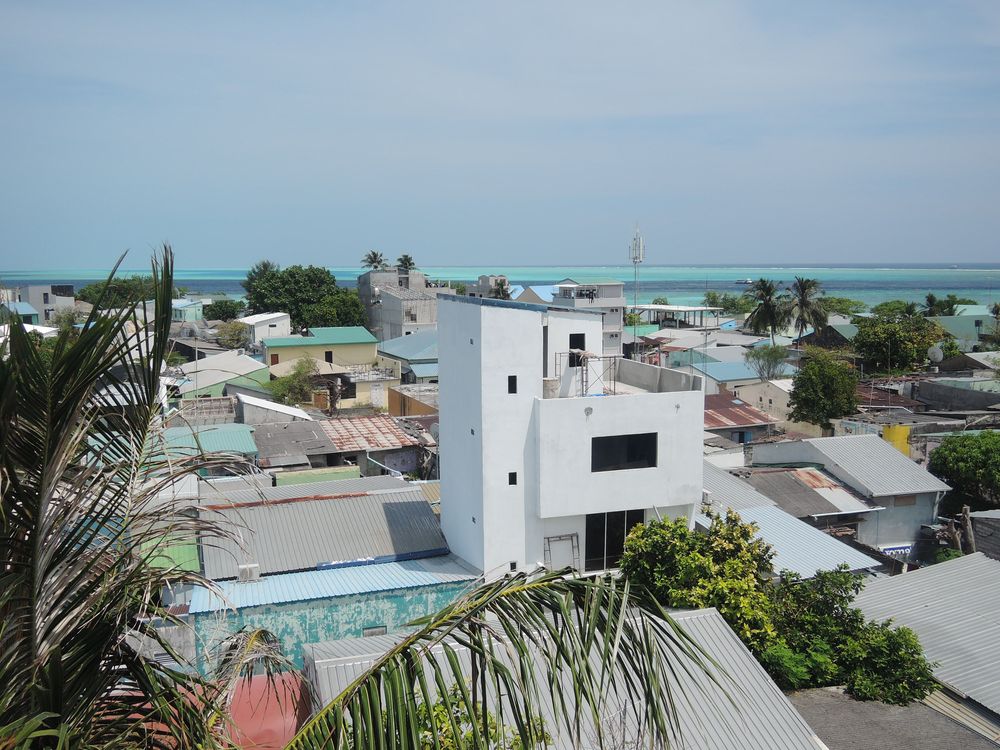
Plan a Gulhi stay around the visitor beach, confirmed boat transfers and selected excursions, with room choices, local customs and full costs.
Gulhi suits a Maldives holiday built around a beach, a small inhabited island and a few carefully chosen boat outings. Its appeal is the possibility of a relatively short transfer from the international airport without turning the whole stay into a private-resort package. Choose it because that daily routine sounds right, rather than because a photograph suggests every part of the island is a deserted beach.
The useful question is how much you want to do away from your accommodation. A couple of beach mornings and one guided excursion can make a satisfying short break. A holiday dependent on a different wildlife trip every day needs closer investigation of departures, group sizes and sea conditions. Our broader Maldives island comparison helps place that choice alongside resort stays and other local islands.
Gulhi at a glance
| Decision | Practical starting point |
|---|---|
| Setting | An inhabited island in South Malé Atoll; confirm Gulhi, not Gulhifalhu, when booking |
| Arrival | Scheduled speedboat or an arranged private transfer; obtain a dated confirmation |
| Boat time | Tropic Trip advertises around 30 minutes; this excludes airport formalities and waiting |
| Suggested stay | Three nights as an editorial starting point, allowing a beach day and an optional outing |
| Main distinction | Public island life and a designated visitor beach, rather than exclusive use of an entire resort island |
| Main budget check | Complete room cost, taxes, return transfer, meals and selected excursions |
Choose a stay that works without an excursion
Imagine the day after arrival: breakfast, a walk to the visitor beach, a swim if conditions suit, lunch and an unhurried evening. If that sounds like enough, Gulhi deserves a place on your shortlist. You do not need to turn a small island into a catalogue of attractions to justify staying there.
Gulhi's visitor information identifies its bikini beach and the “I LOVE GULHI” swing structure. Treat the landmark as a way to orient yourself, not a promise of an empty photo setting. Ask your accommodation to mark the current visitor swimming area and the route from your room. Beach appearance, available shade and usable sand can change; recent photographs of the actual beach frontage are more useful than a cropped booking image.
Choose three nights if you want two full days between travel days. That is a planning suggestion, not an ideal duration for everyone. Two nights can work with well-matched boats; a longer stay makes more sense if you enjoy repeating a relaxed routine or have confirmed a particular activity. Count usable island time rather than the number printed in the accommodation reservation.
Arrange the airport connection before the room becomes fixed
Tropic Trip's airport-transfer page advertises a service linking the airport, Malé and Gulhi, with a crossing of around 30 minutes. Its timetable was still labelled 2024/2025 when checked on 6 November 2026. Do not use those departure times as a current booking confirmation.
Send your flight number, arrival date, party size and luggage requirements to the accommodation or transport provider. Ask which sailing they propose, where you meet its representative and what happens if immigration or baggage collection takes longer than expected. A boat's crossing time begins after departure; it does not measure the journey from aircraft seat to hotel room.
Specify whether the departure is from the airport or from Malé. An offer that begins in the capital can require an additional transfer, even when the island itself is close. Obtain the meeting point in writing and keep the provider's contact available offline. If two companies are involved, establish who is responsible for coordinating the connection.
For a late arrival, compare a confirmed private charter with a night near the airport followed by a daytime boat. Tropic Trip offers private boat hire, but an advertised service does not establish availability or a fixed price for your flight. A public ferry is another possibility to investigate; no current direct-operator timetable was verified for this guide, so ask about its operating day, actual terminal and return journey before building a trip around it.
Pick the room by location and access
On a local island, “near the beach” does not mean that the beach belongs to the hotel. Request a map pin for the property and the visitor beach entrance. Ask whether the photographed view belongs to your room category, whether meals are on site and whether there is a shaded place to sit when you are not swimming.
The difference between two rooms may matter more than a small difference in their advertised rates. A ground-floor room can avoid stairs; an upper-floor balcony may offer more outdoor space but require repeated climbs. Confirm these details directly if mobility, a pushchair or heavy luggage is relevant. Sand, jetties and boarding steps are separate access questions from the hotel itself.
Ask about nearby building work and the room's position relative to the harbour, restaurant and communal areas. An inhabited island has working routines, deliveries and neighbours. A room described as peaceful cannot guarantee silence. For a longer stay, ventilation, reliable cooling and somewhere to dry swimwear are practical details worth settling before arrival.
Beach time and village time have different expectations
Keep swimwear for the designated visitor beach and use a cover-up through the settlement. The UK government's Maldives advice explains local dress expectations outside resorts and the restrictions on alcohol on inhabited islands. Gulhi is a poor match if the holiday depends on island bars or drinking on the public beach.
Ask permission before photographing people or entering a working area. A harbour or boatyard is not automatically a visitor attraction with supervised access. Watch from a suitable public position, keep out of loading routes and accept a refusal without negotiating. These are ordinary courtesies in a place where tourism shares space with daily life.
During Ramadan, clarify meal arrangements with your accommodation rather than assuming that every café operates its usual daytime service. On any date, check breakfast time against an early boat departure. A packed meal or an agreed alternative can be more useful than discovering that your included breakfast begins after you leave.
Choose one boat outing for its actual route
Tropic Trip's excursion descriptions include a half-day programme with snorkelling stops such as Biyadhoo Reef, Nemo Point or Turtle Reef, and a separate outing involving Maafushi. These are operator examples, not a guarantee that each named stop operates on your date.
For a first outing, compare the amount of time swimming with the time travelling between stops. Ask where beginners enter the water, whether a guide stays with the group, how many guests share the boat and whether equipment and correctly sized life jackets are included. A short list of suitable stops is often a better fit than a long list that leaves little time at each one.
Do not book on the assumption that a site name guarantees turtles, dolphins or clear water. Ask how the operator handles poor conditions, a changed route or a cancelled departure. Avoid activities based on touching, chasing or feeding wildlife. If swimming confidence differs within your party, establish whether someone can comfortably remain aboard or skip a stop.
A sandbank stop also depends on conditions and the operator's arrangements. Confirm shade, drinking water, time ashore and how passengers board again. Children and less mobile travellers need an explanation of the actual landing, not simply reassurance that the excursion is family-friendly.
Compare a resort day with another island day
A resort visit can add a different setting without changing accommodation. Tropic Trip's resort-trip page lists options including Embudu Village, with transfer and admission described as package components. Confirm the receiving property's acceptance, the exact inclusions and the return time for your date before paying.
A restaurant visit, day pass and full use of a resort's facilities are different products. Ask specifically about pools, beach areas, meals, drinks and any restricted facilities. Do not infer that an overwater villa or a spa treatment is included because it appears in the resort's photographs.
An outing to Maafushi offers a different comparison: another inhabited island rather than a resort day. Decide what you want to see or do there and whether the visit leaves enough time for it. If the real aim is simply a second beach, another transfer may add less value than spending the day on Gulhi.
Build a complete quote
Compare accommodation offers for the same dates and number of guests. Separate the room, included meals, return boat journeys and planned activities. Ask which taxes and service charges are included and whether the final amount is payable in local currency, US dollars or by card. Do not assume a cash machine or a particular payment method will be available when needed.
The Maldives Inland Revenue Authority's Green Tax guidance lists USD 6 per person per day of stay for eligible hotels and guesthouses on inhabited islands with 50 or fewer rooms, and USD 12 for other specified categories. Children below two at check-in are exempt. Confirm your property's category and itemised calculation; the lower rate is not an automatic rule for every Gulhi booking.
Keep excursion spending visible rather than hiding it inside an optimistic daily average. A beach-focused stay and several private boat trips produce different totals even with the same room. Compare the completed figure with your alternatives, and retain some flexibility for a changed transfer or an additional night if travel is disrupted.
Leave the final day simple
Reconfirm the return boat and airport meeting arrangements before your last evening. Work backwards from the airline's check-in requirement, adding the operator's recommended allowance for the crossing and possible delay. A short advertised journey is not a reason to book the last feasible departure.
Keep your passport, flight details, medicines and essential items accessible during the transfer. If an early flight cannot be supported by a confirmed island departure with sufficient margin, spend the previous night near the airport. Our Maldives transfers guide explains the wider connection choices.
Cover photograph: Rooftops of Gulhi village with palms and the turquoise sea beyond — Keduqu, CC BY-SA 4.0.
Frequently Asked Questions
How long should you stay on Gulhi?
Three nights is a useful starting point for two full days: one centred on the beach and another available for an outing. Adjust it to your boat connections and interest in repeating a relaxed island routine.
How long is the boat journey to Gulhi?
Tropic Trip advertises around 30 minutes. This is an indicative crossing, not a door-to-door airport transfer. Confirm current departure times, the meeting point and the return journey for your dates.
Is Gulhi a private resort island?
No. It is an inhabited island with visitor accommodation and a designated bikini beach. Local customs apply in the settlement, and hotel beach proximity does not mean exclusive ownership of the shore.
Can you rely on a particular snorkelling trip?
Only after confirming the operator's arrangements for your dates. Published programmes describe possible outings; weather, group requirements and operating decisions can change routes. Wildlife sightings are never guaranteed.


Keep Exploring
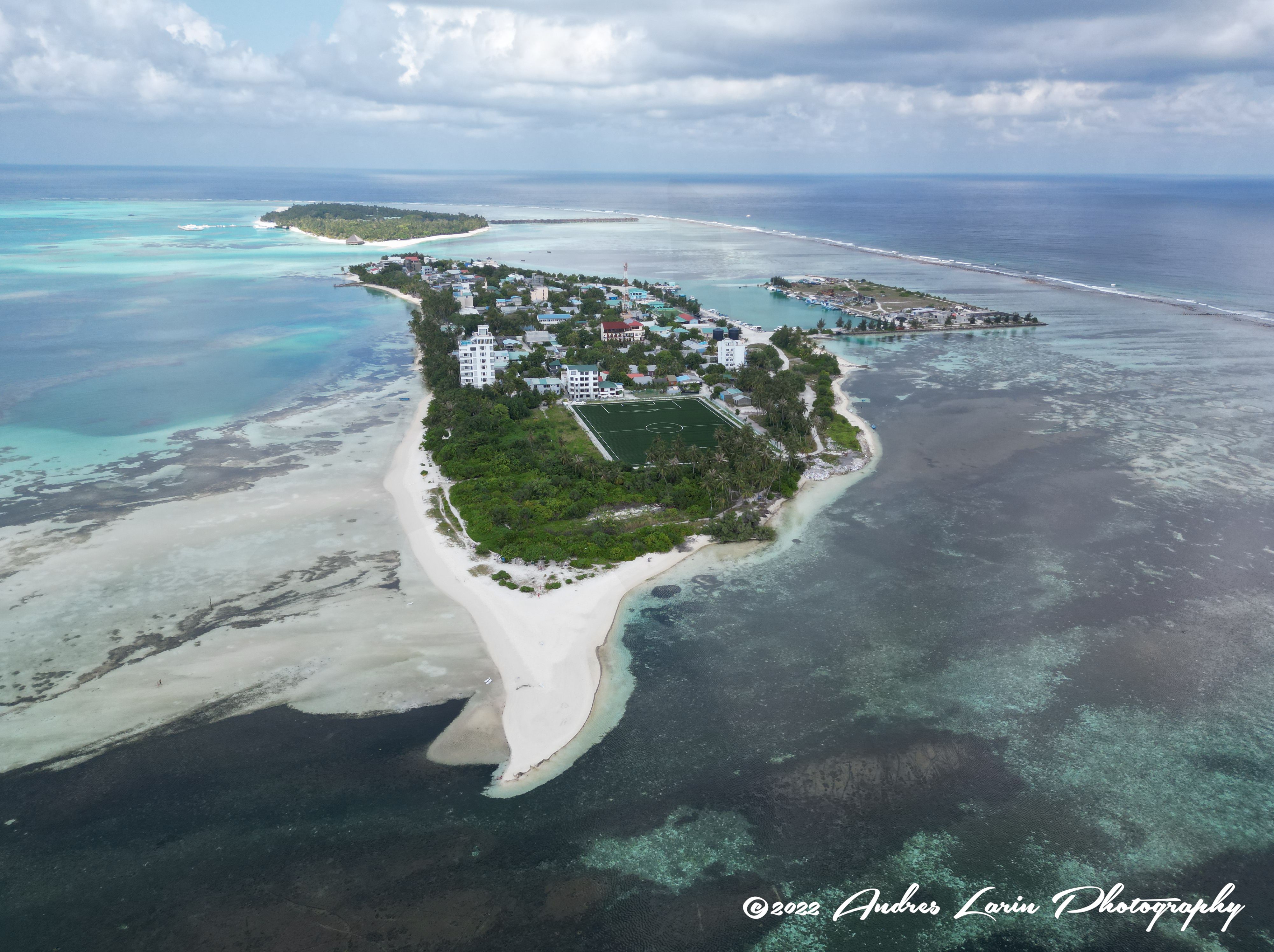
Dhiffushi: Plan a Maldives Local-Island Stay
Plan a Dhiffushi stay with airport boats, beach choices, guesthouse costs, local customs and realistic excursion options.
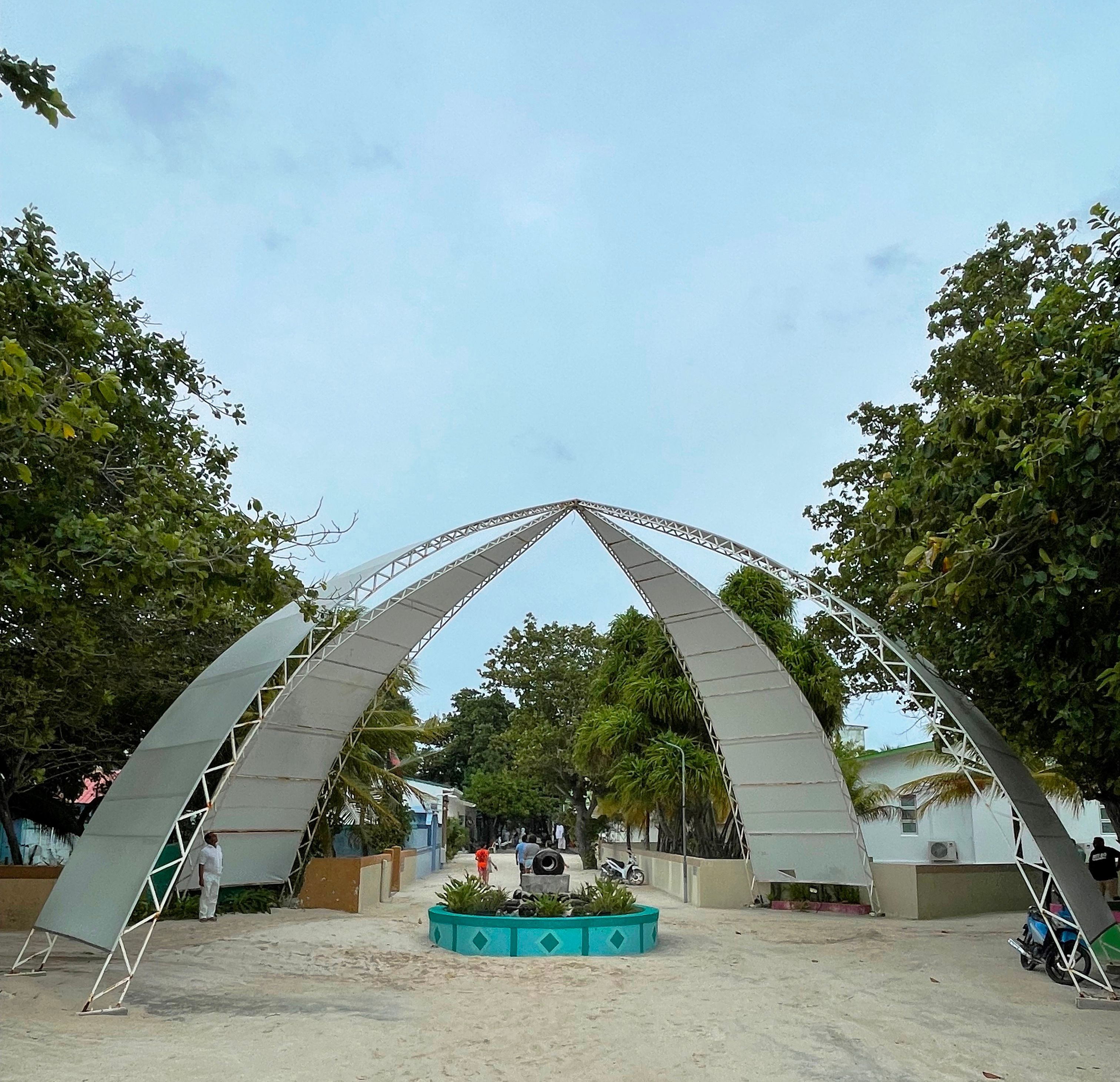
Dhangethi: Plan a Maldives Local-Island Stay
Plan Dhangethi around confirmed boats, its visitor beach and South Ari excursions, with guesthouse choices and realistic wildlife expectations.
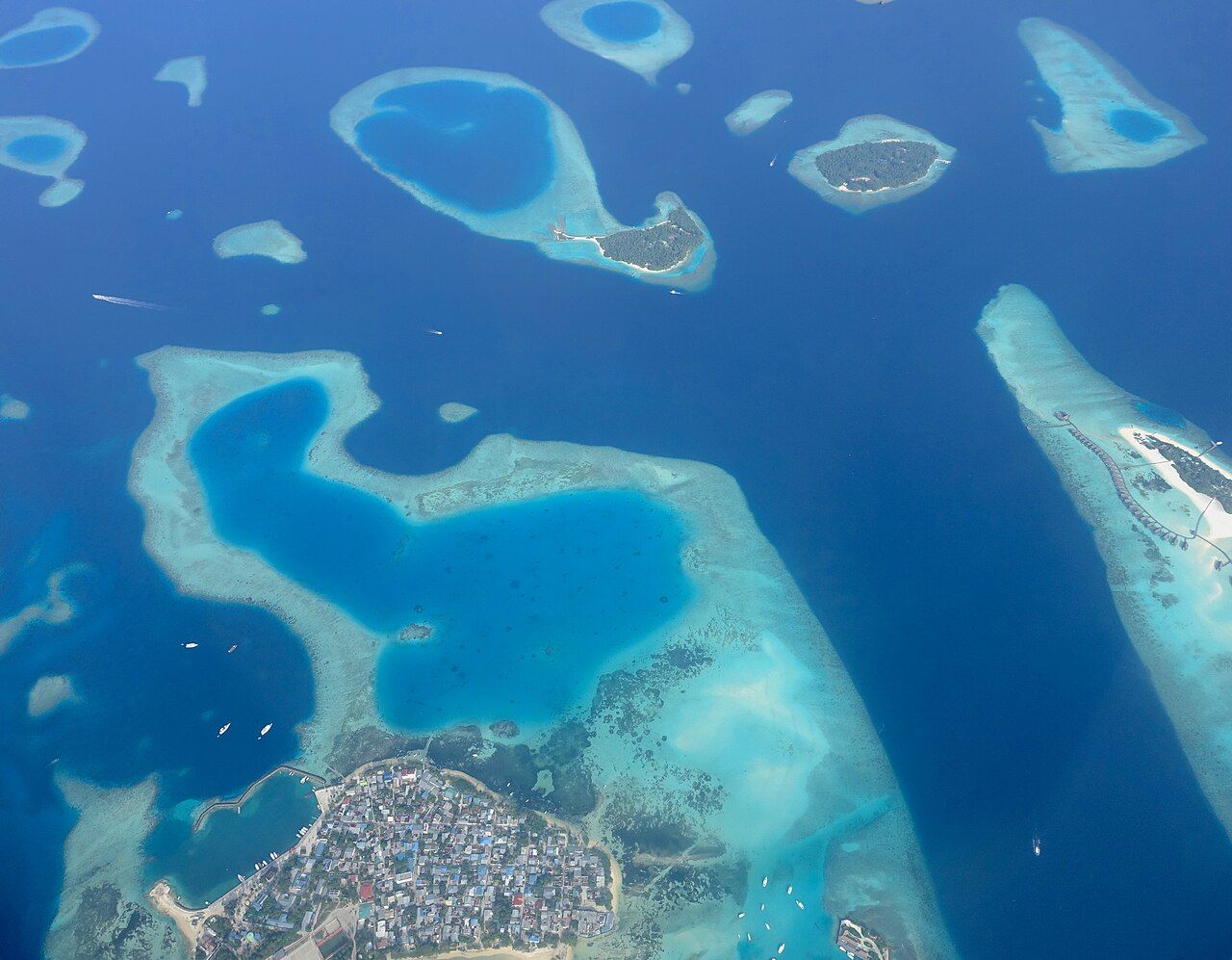
Guraidhoo: Plan a Maldives Local-Island Stay
Plan a stay on Kaafu Guraidhoo: confirm transfers, choose the right beach and distinguish snorkeling trips from channel diving.