
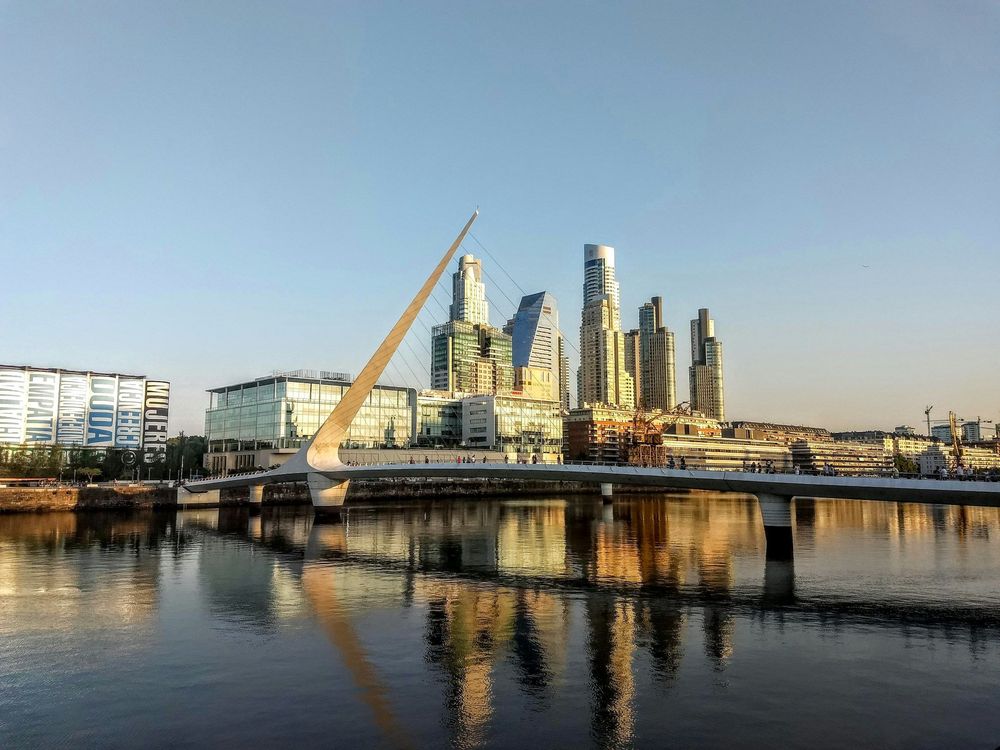
Plan Buenos Aires with kids around hands-on science, the Planetario and Palermo green spaces, with sensible groupings and indoor alternatives.
Plan Buenos Aires with kids around a small number of neighbourhood outings, not a citywide checklist. Recoleta works for hands-on science and a short local walk; Palermo offers green spaces and the Planetario, but these are separate stops with separate access arrangements. Choose the children's main interest, then fit food and a manageable return around it.
This guide is based on current official visitor pages, not a personal family trip. It selects a few contrasting options rather than promising that every child will enjoy the same museums or cope with the same amount of walking.
Choose an outing by interest
| Interest | Consider | Important distinction |
|---|---|---|
| Experiments and active learning | Prohibido No Tocar in Recoleta | A participatory science museum, not a general soft-play centre |
| Space and a seated show | Planetario Galileo Galilei | Book the specific programme; the building alone is not the show |
| Nature and conservation | Ecoparque | Public access and special guided activities have different conditions |
| A slower outdoor interval | Rosedal and the Palermo landscape | A garden visit is different from an unrestricted play session |
For younger children, choose the outing with the simplest meal and return plan. For older children, let their interests determine the main destination. A family with a keen space enthusiast may organise around a Planetario show, while another may prefer experiments they can try themselves.
Recoleta: start with Prohibido No Tocar
Prohibido No Tocar is the participatory science museum at Centro Cultural Recoleta. Its own description emphasises learning through active exploration. It makes sense for children who enjoy investigating what happens when they change something, rather than moving quietly past a long sequence of display cases.
Use the museum's gallery information to discuss what looks interesting before going. Let the children choose a question or experiment to explore, then allow them to repeat an activity rather than constantly pushing towards the next room. Returning to something is part of learning, not evidence that the visit is moving too slowly.
Check the current visitor hours and ticket conditions directly. Holiday schedules can differ from an ordinary week, and a cultural centre's opening does not prove that every institution inside is admitting visitors. Keep the museum as the anchor, then choose a nearby meal or brief walk rather than immediately crossing the city for another major attraction.
For a child who is still too young for the experiments, consider whether they will enjoy watching and joining in with an adult. Do not book solely because the venue is described as suitable for children: the style of activity matters as much as the broad label.
Planetario: choose the show, not just the landmark
The Planetario Galileo Galilei website separates its programme into shows and other activities. Pick the content and schedule that suit your family, then follow the official booking route. A picture of the building does not tell you which experience will be available during your dates.
Before buying, check the recommended audience, language, duration and entry arrangements for the exact performance. With a child who dislikes darkness or a long seated presentation, ask about the format rather than assuming every astronomy show is interchangeable. Decide whether the appeal is the subject, the immersive setting or simply seeing the building from outside.
Make the performance the fixed point of the day. Plan food before it if that suits your child's routine, leave time to find the correct entrance and avoid depending on a long walk ending exactly at admission time. Keep the outdoor part flexible so a slower start does not put the ticketed activity at risk.
If the programme does not match your child's age or interests, choose another outing. You do not need to buy a show merely to justify being in Palermo, and an exterior visit should not be described to the children as equivalent to the experience inside.
Ecoparque: a conservation outing with separate extras
The official Ecoparque page describes a conservation space and notes closure in rain. Do not rely on older listings that call it free for everyone: the city's new admission announcement introduces charges for tourists. Check the current category and required documents for every member of your family, including children, before making a budget. General admission and guided extras must still be checked separately.
Approach it as a place to observe and learn rather than a promise to see a particular animal on demand. Explain that the purpose of conservation and animal care can shape what visitors can access. A short, attentive visit may work better for a child than trying to cover every possible path.
Do not assume a special activity is included in general entry. Check booking, age requirements and availability for the specific session you want. If that session is unsuitable, you can decide whether the general visit still answers your family's interests instead of treating the whole outing as automatically cancelled.
Keep a separate indoor alternative. An outdoor conservation space is not a rainy-day substitute simply because parts of it have buildings. Choose a backup whose own opening and admission you have already checked, rather than arriving elsewhere with no reservation when conditions change.
Rosedal: choose a gentle garden interval
The official Rosedal page places the rose garden within Palermo's park landscape. It can provide a quieter contrast to an interactive museum or a seated performance. Check garden access for the day rather than assuming all green areas share the same hours.
Our editorial suggestion is to make this a modest outing: look at the planting, pause and leave while the children still have energy. Do not promise a particular display of flowers in every season. A garden can be enjoyable without every bed being at its most photogenic.
If combining it with another Palermo stop, map the entrances, not just the neighbourhood names. “Both in Palermo” does not mean no walking or road crossings between them. A route that looks compact on a city map may be longer than your child wants after a museum or show. Keep the second stop optional and make the return straightforward.
Meals, accommodation and realistic distances
Choose the next meal before committing to a long connection. Save a nearby option and check when it serves the food you need. A city with an active evening dining culture does not require your family to adopt a late dinner; organise the day around the children's workable routine.
For accommodation, compare actual journeys to the outings you have selected. Our Buenos Aires neighbourhood guide helps compare bases. If naps or afternoon rests matter, the repeated trip back may be more important than the number of sights around the property.
Ask about lifts, the accommodation entrance and the sleeping layout when those affect your stay. With a stroller or mobility need, verify the route and venue access rather than assuming that a short distance is simple. Allow space for a slower crossing or an alternative entrance.
Use our Buenos Aires highlights guide for other interests and the city itinerary for a broad geographical framework. Adapt them by removing stops, not by adding a full adult sightseeing day to a children's programme. A good family outing can end after one satisfying main activity.
Before you leave the room
Confirm the current opening, any booking, the relevant entrance, the meal and the return. Explain to the children what the main activity involves and which part is optional. That avoids promising a hands-on experience when you have actually booked a seated show, or promising animals you may not see.
Leave room to repeat an experiment, sit in a park or return early. The useful measure is whether the family enjoyed the time together and found something interesting, not how many neighbourhoods you crossed before dinner.
Cover photograph: Puente de la Mujer and waterfront buildings in Buenos Aires. Photo by Francisco Ghisletti on Unsplash.
Frequently Asked Questions
What is a good indoor outing with kids in Buenos Aires?
Prohibido No Tocar is an option for participatory science. A suitable Planetario programme is another possibility, but check its audience, language, schedule and booking before choosing it.
Is Ecoparque free?
Do not assume free entry as a tourist. The city has announced tourist admission charges; check the current rules for your visitor category and each child's age. Guided extras have separate conditions, and the site closes in rain.
Can we do all the Palermo attractions together?
Choose a main stop and keep another optional. Check the actual entrances and walking route instead of treating the whole neighbourhood as one compact attraction.
Should we book the Planetario in advance?
Use the official listing and booking instructions for your chosen programme. Verify that you are reserving the experience you want, rather than assuming admission to the building includes every activity.
Keep Exploring
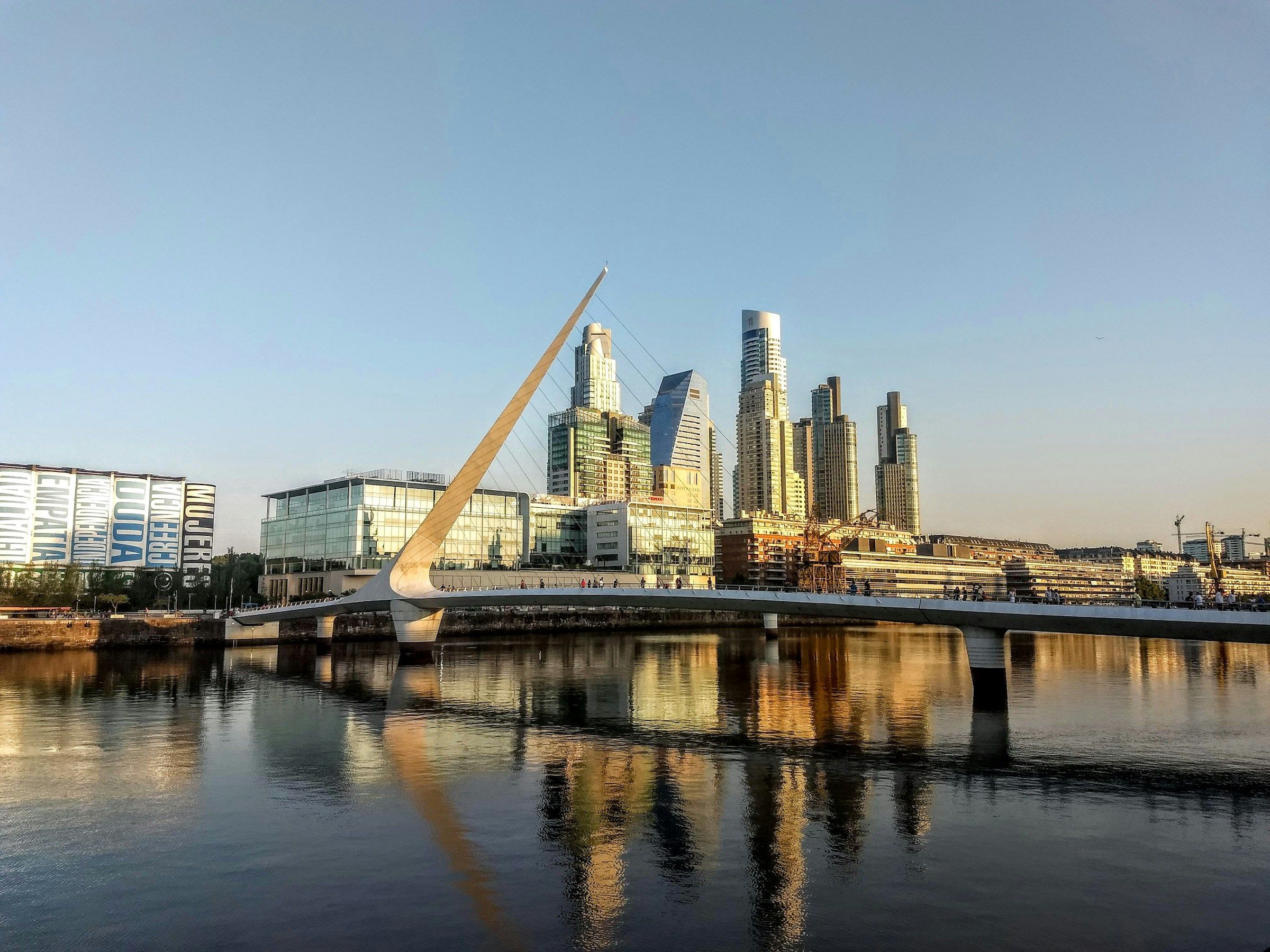
Where to Stay in Buenos Aires: Neighborhood Guide
Choose a Buenos Aires base around the evenings you want, the sights you will revisit and the routes you will actually use. Compare neighborhoods and inspect the exact address before booking.
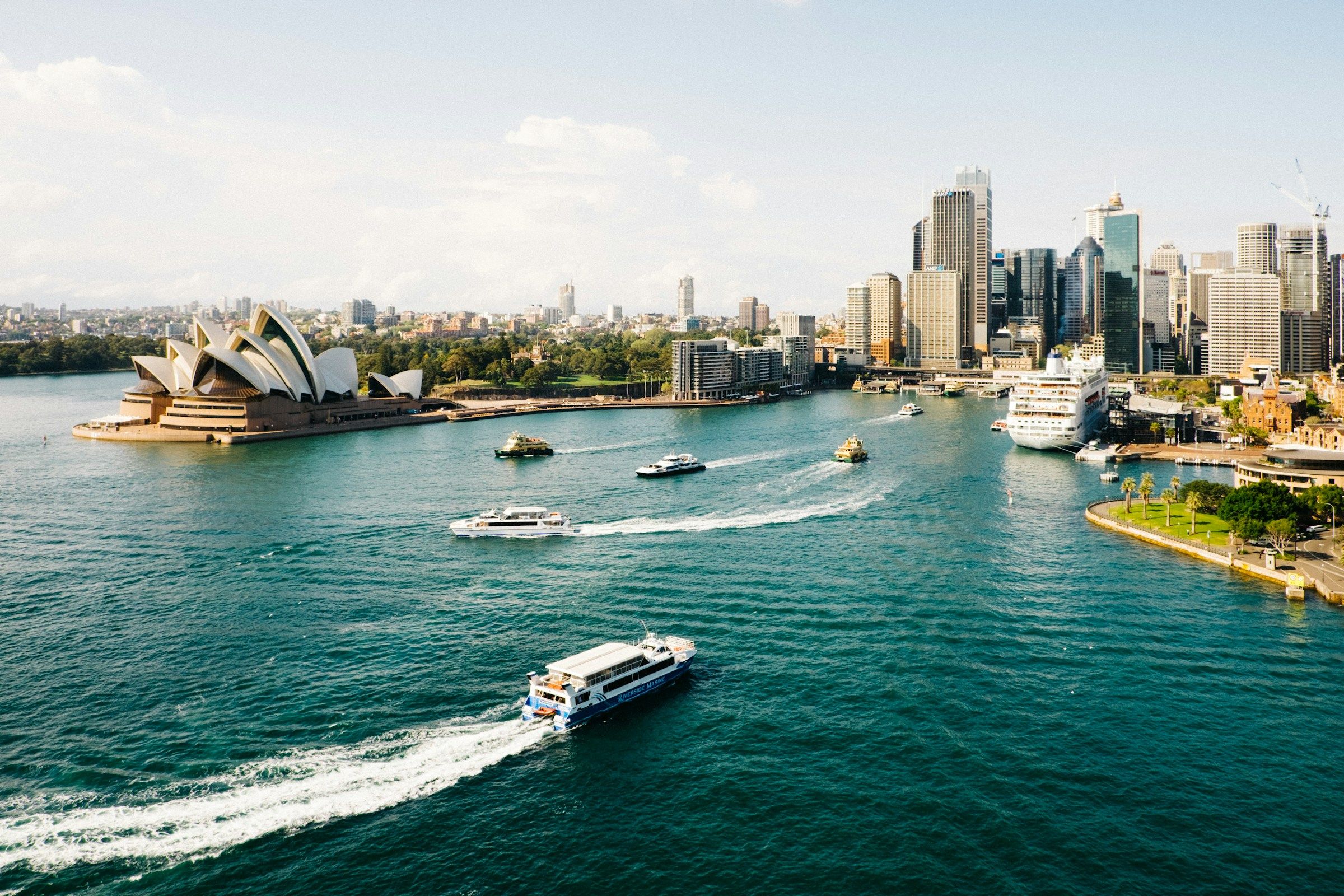
Sydney with Kids: Choose Your Family Days
Choose family days in Sydney around museums, Darling Harbour, Taronga and ferry trips, with simple alternatives for rain and different interests.
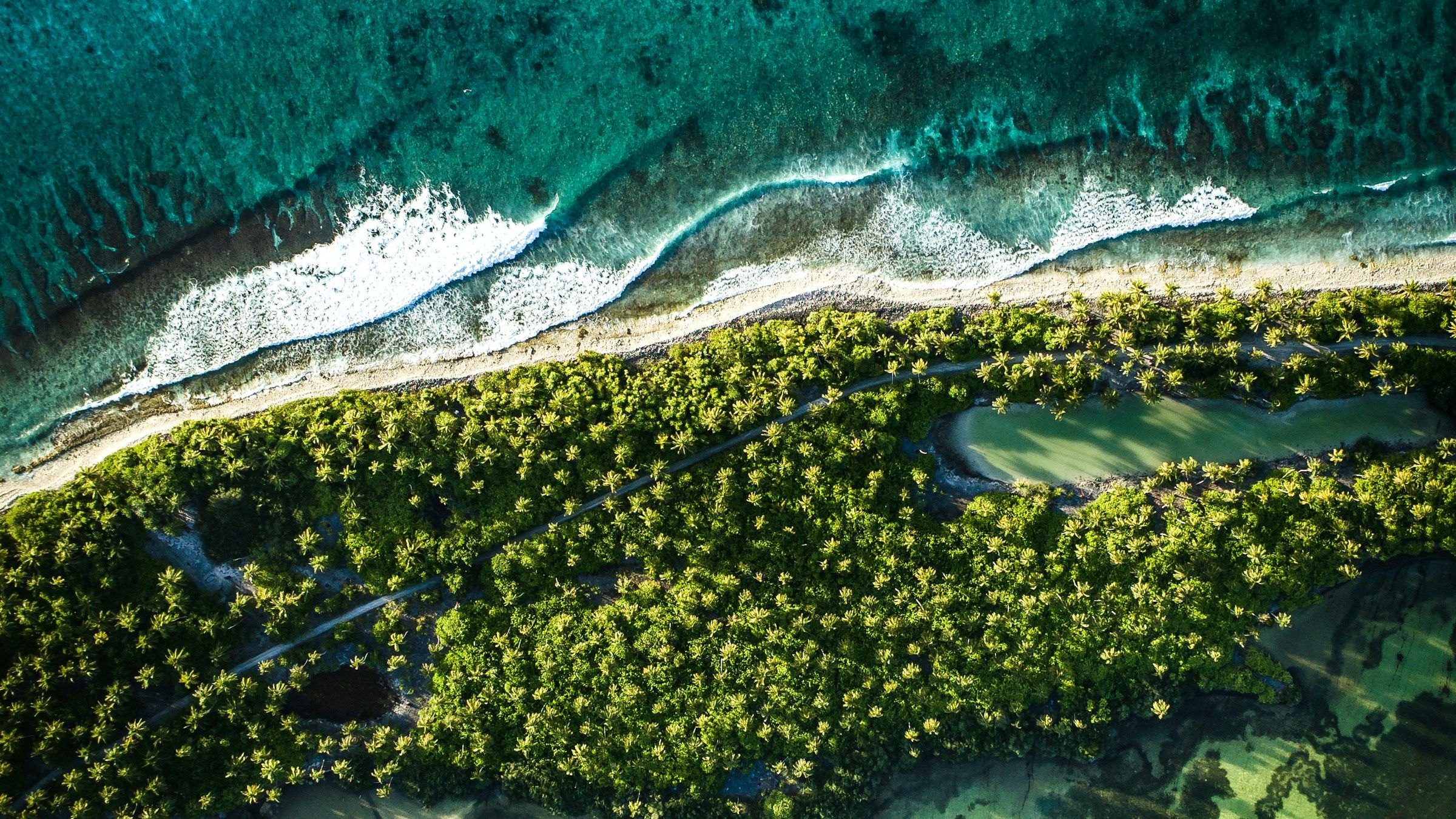
Maldives with Kids: Choose a Family Stay
Plan a Maldives family holiday around room layout, meals, childcare and island access. Compare resort and local-island stays without relying on labels.