
Museo Nacional de la Estampa: Mexico City Visit
Plan a focused visit to Mexico City’s print museum: current entry details, ways to read the artworks and a nearby Franz Mayer pairing.
The Museo Nacional de la Estampa is a focused stop for understanding how artists turn a carved surface, a metal plate or a stencil into an image on paper. Beside Plaza de la Santa Veracruz in Mexico City's historic centre, it suits a visit built around looking closely, rather than a checklist of famous paintings. Allow around 60–90 minutes as a planning estimate, then decide whether to continue with another museum or take a break outside.
The practical starting point is straightforward: the federal cultural directory currently lists Tuesday–Sunday opening, 10:00–18:00, and general admission of MXN 70. Check the programme before travelling specifically for an artist. A museum's collection and the works hanging in its galleries are different things, and temporary exhibitions can change the emphasis of a visit. Fit this stop into the wider route in our Mexico City cultural guide.
Essential information for your visit
| Detail | What to plan around |
|---|---|
| Location | Avenida Hidalgo 39, Plaza de la Santa Veracruz, Centro, Mexico City |
| Published hours | Tuesday–Sunday, 10:00–18:00; closed Monday |
| General admission | MXN 70, according to the current federal listing |
| Free admission categories | The listing includes students, teachers, older adults and children under 12; confirm accepted identification |
| Sunday admission | The directory specifies free admission for Mexican nationals; foreign nonresidents should budget the general price and confirm eligibility |
| Suggested duration | 60–90 minutes, longer if the exhibition rewards detailed reading |
| Enquiries | 55 8647 5220, extensions 5440 and 5443; munae.informes@inba.gob.mx |
These details come from the Sistema de Información Cultural museum listing, updated on 5 November 2026 and checked for this guide on 25 November. Published opening hours are not a promise of last admission at 18:00. Arrive with time to buy a ticket and see the rooms; ask about holiday changes, temporary closures and the day's final entry if your schedule is tight.
Decide whether this is your kind of museum
Choose the museum if you enjoy graphic art, illustration, posters or the relationship between an image and the process that produced it. You do not need technical knowledge beforehand. A useful first question is simply: what has the artist done with a line, a patch of black or an area of untouched paper?
The museum is less suitable as an automatic substitute for a broad overview of all Mexican art. Its subject is specific. That is an advantage when you want a manageable cultural stop, but it means the current exhibition matters more than a general list of celebrated artists associated with the collection. If one particular work is the reason for your visit, ask whether it is actually on view.
The Mexico City government's museum introduction describes an institution founded on 17 December 1986, housed in a nineteenth-century building and devoted to printmaking. It also describes temporary exhibitions and educational activity. Treat that as the museum's remit, not a daily timetable of workshops or a guarantee that a printing demonstration will happen during an ordinary ticketed visit.
Understand what an original print is
A print can be an original artwork even when more than one impression exists. The important distinction is between a work conceived through a printing process and a later reproduction of an unrelated painting or drawing. Seeing several impressions does not, by itself, make the artistic work less original.
The Victoria and Albert Museum's explanation of prints is a useful introduction to the processes. In relief printing, such as woodcut, the raised surface carries the ink. In intaglio, including engraving and etching, ink sits in recessed marks. Lithography uses a prepared flat surface, while screenprinting transfers ink through open parts of a mesh. These are starting points for reading labels, not a test you need to pass before entering.
Once inside, compare the effect rather than trying to identify every technique unaided. Does a line look clean, rough, dense or broken? Are the large dark areas doing the work of a background, a silhouette or a dramatic shadow? Look at how much paper the artist leaves unprinted. Empty space may be as deliberate as the most detailed section.
A simple route through the exhibition
Begin with the introductory panel. Find the exhibition title, its dates and the question it is trying to explore. An artist retrospective, a themed group show and a display about a workshop invite different kinds of attention. Knowing which you are seeing makes the rest of the visit easier to follow.
Next, choose one work that catches your eye before reading its label. Spend a minute identifying its central figure, the direction of movement and the strongest contrast. Then read the title, date and technique. Notice whether that information changes your first interpretation. This approach works even if you know none of the artists beforehand.
Choose a second work with a different visual character. It might be more abstract, more crowded or more restrained. Compare how the two images handle scale and detail. A small print can demand more attention than a large one, especially when lettering, faces or background scenes carry part of the meaning.
If the display includes a printing matrix, examine it alongside the resulting image without touching either. Look for the relationship between the tool marks and the finished impression. If no matrix is on display, the technique label still provides a useful clue. Do not spend the whole visit searching for equipment that the current exhibition may not include.
Finish by returning to your first choice. A second look often reveals something the initial survey missed. That is a better use of a short visit than trying to photograph every label and read them all later. Before leaving, note the exhibition title and the works you want to research further.
Read the label without getting lost in terminology
On a Spanish label, xilografía means woodcut and linograbado refers to linocut. Aguafuerte is etching, litografía is lithography and serigrafía is screenprinting. You may also encounter estampa for the printed work and matriz for the surface used to produce it. Keeping those words to hand can make a visit easier if Spanish is not your strongest language.
Read titles as part of the work, particularly when the image includes words of its own. Ask who might originally have seen it and in what setting: a page, a wall, a portfolio or an exhibition. Only make a firm connection when the label or curatorial text supports it. A dramatic scene is not automatically a literal record of an event, and an artist's image should not be treated as a complete account of a country's history.
Look for dates carefully. The date of an image, the date of a particular impression and the dates of the exhibition may differ. If the label supplies only one date, avoid filling in the missing history yourself. It is perfectly reasonable to leave with a question rather than a confident but unsupported explanation.
Tickets, access and practical questions to settle
Budget MXN 70 per adult unless the museum confirms that your circumstances qualify for free entry. The Sunday wording in the current federal listing explicitly includes a nationality qualification. Foreign visitors should therefore avoid building an itinerary around an assumed free Sunday. For concessions, bring appropriate identification and ask which documents the desk accepts.
The building's historic appearance does not establish whether every exhibition space is accessible without steps. Contact the museum if you need a step-free route, a lift, accessible toilets or somewhere to sit regularly. Ask about the actual rooms open on your date, especially if a temporary display is central to your plans. Do not infer present access arrangements from an older photograph.
Confirm photography rules on arrival. Permission to take a personal photograph does not necessarily include flash, tripods, filming or permission to reproduce an artwork commercially. If travelling with a large bag, ask about storage before committing to the visit. Published basic admission information does not establish that luggage storage or every payment method is available.
Combine it with Plaza de la Santa Veracruz
The plaza gives the museum useful context: the visit is part of a small group of cultural buildings rather than an isolated excursion across the city. Pause outside to orient yourself before going in. Read the museum name and check the entrance rather than assuming every doorway on the square belongs to the same institution.
For a two-museum outing, use our Museo Franz Mayer visit guide to plan the neighbouring stop. Check both opening calendars and ticket arrangements separately. Visiting one does not establish admission rights to the other. Leave a break between them if you want to keep looking attentively rather than rushing through a second set of galleries.
A workable short plan is to start with the print museum, allow 60–90 minutes, pause on or near the square, then decide how much energy remains. If the first exhibition is especially absorbing, make that the main cultural visit of the afternoon. Keep the remainder flexible instead of treating the estimate as a maximum.
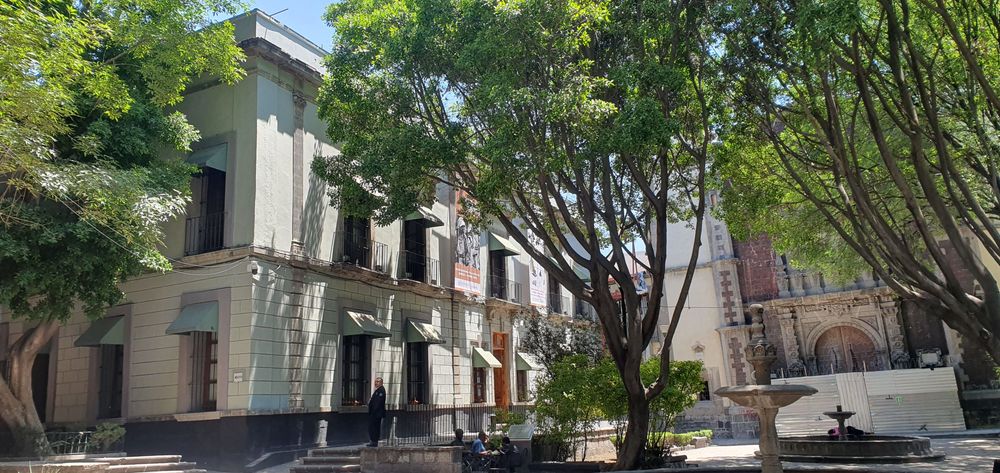
The cover photograph shows the museum exterior on 6 April 2024. The banners visible on the building belong to that historical photograph and are not the current exhibition programme. Photo: © José Luiz Bernardes Ribeiro, CC BY-SA 4.0.
Cover photograph: Museo Nacional de la Estampa facade behind plaza trees in Mexico City, April 2024 — Archive photograph 2024 — José Luiz Bernardes Ribeiro, CC BY-SA 4.0.
Frequently Asked Questions
What does the Museo Nacional de la Estampa show?
It focuses on printmaking and graphic art. The current exhibition determines which artists, techniques and works you will see, so check the programme if you are travelling for a specific artist or object.
How much is admission?
The federal cultural directory lists general admission at MXN 70. It also lists free-entry categories with identification requirements. Confirm the terms with the museum rather than relying on older price listings.
Is the museum free on Sundays for foreign tourists?
Do not assume so. The current federal directory qualifies its Sunday free-admission wording with “nacionales”. Foreign nonresidents should budget MXN 70 and ask the museum whether they qualify for an exemption.
How long should I allow?
Allow around 60–90 minutes as a practical estimate. You may need longer if you read all the exhibition texts closely or attend a separately confirmed activity. Arrive well before the published closing time.
Can I visit it together with Museo Franz Mayer?
Yes, the museums make a practical pairing around Plaza de la Santa Veracruz. Check each museum's hours, exhibitions and admission separately, and leave time for a break between visits.


Keep Exploring
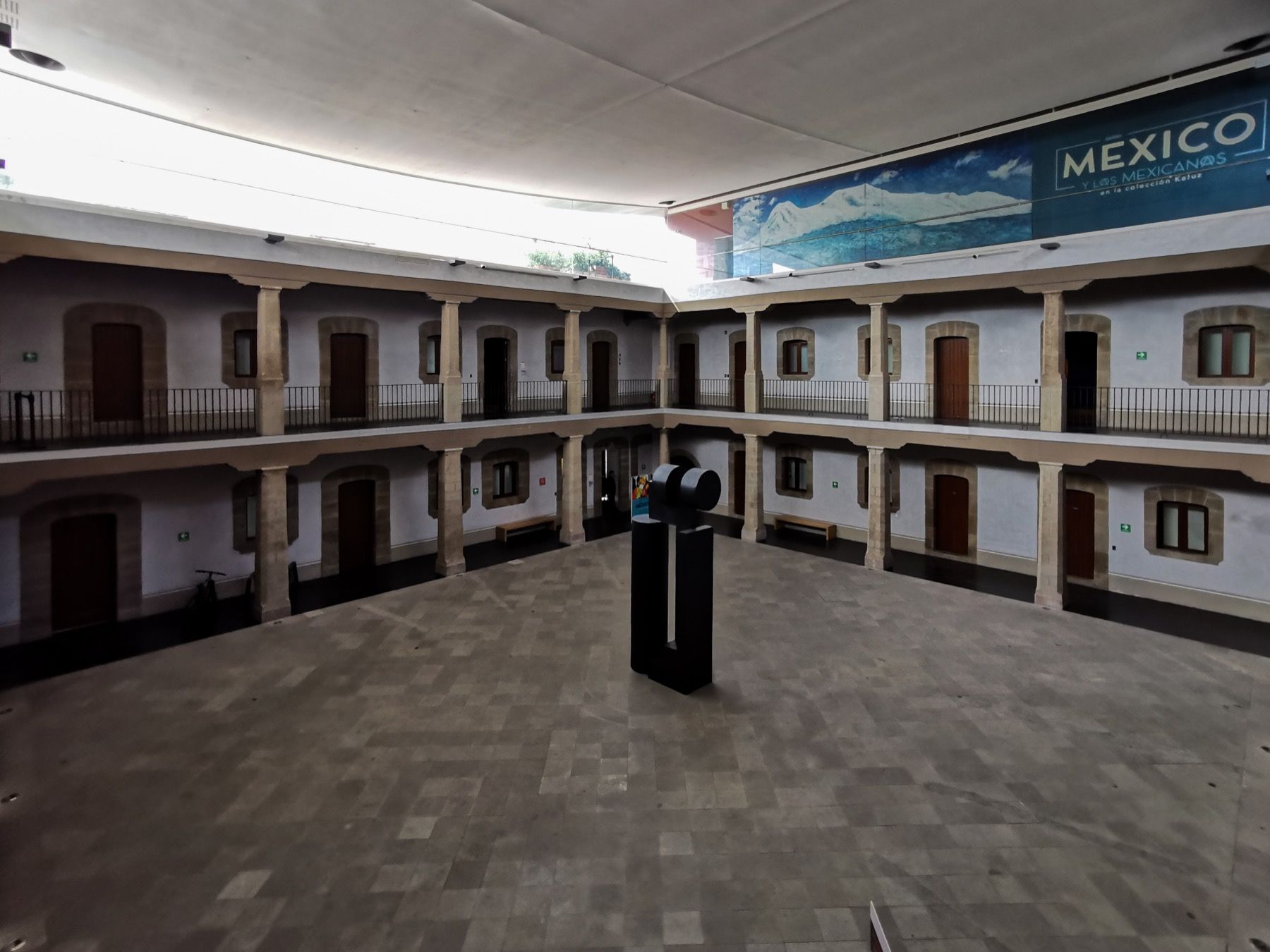
Museo Kaluz: Choose Your Mexico City Art Visit
Plan Museo Kaluz with current Mucha and Mexican Art Nouveau exhibitions, ticket choices, collection expectations and separate terrace arrangements.
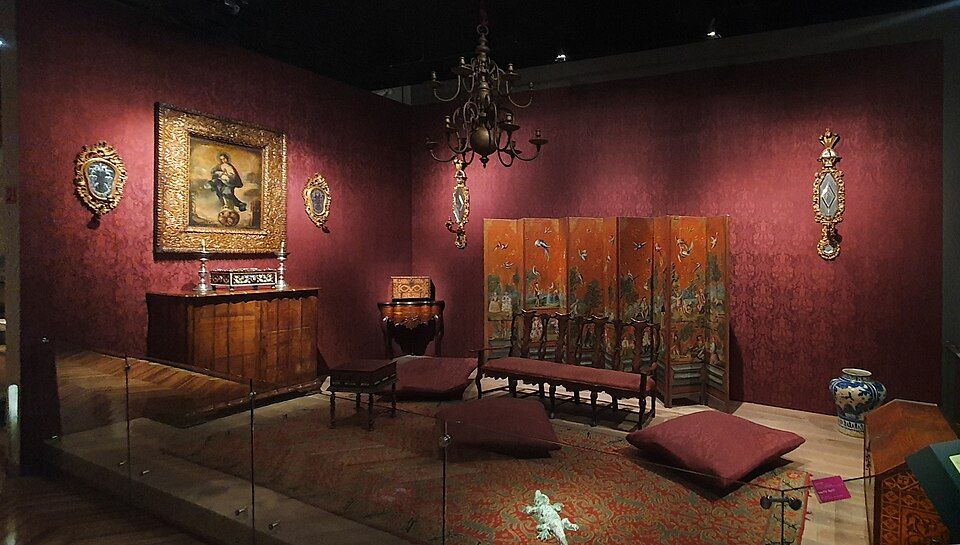
Museo Franz Mayer: Plan Your Mexico City Visit
Plan Museo Franz Mayer with current general ticket prices, free Tuesday conditions, collection highlights and advice on special exhibitions.
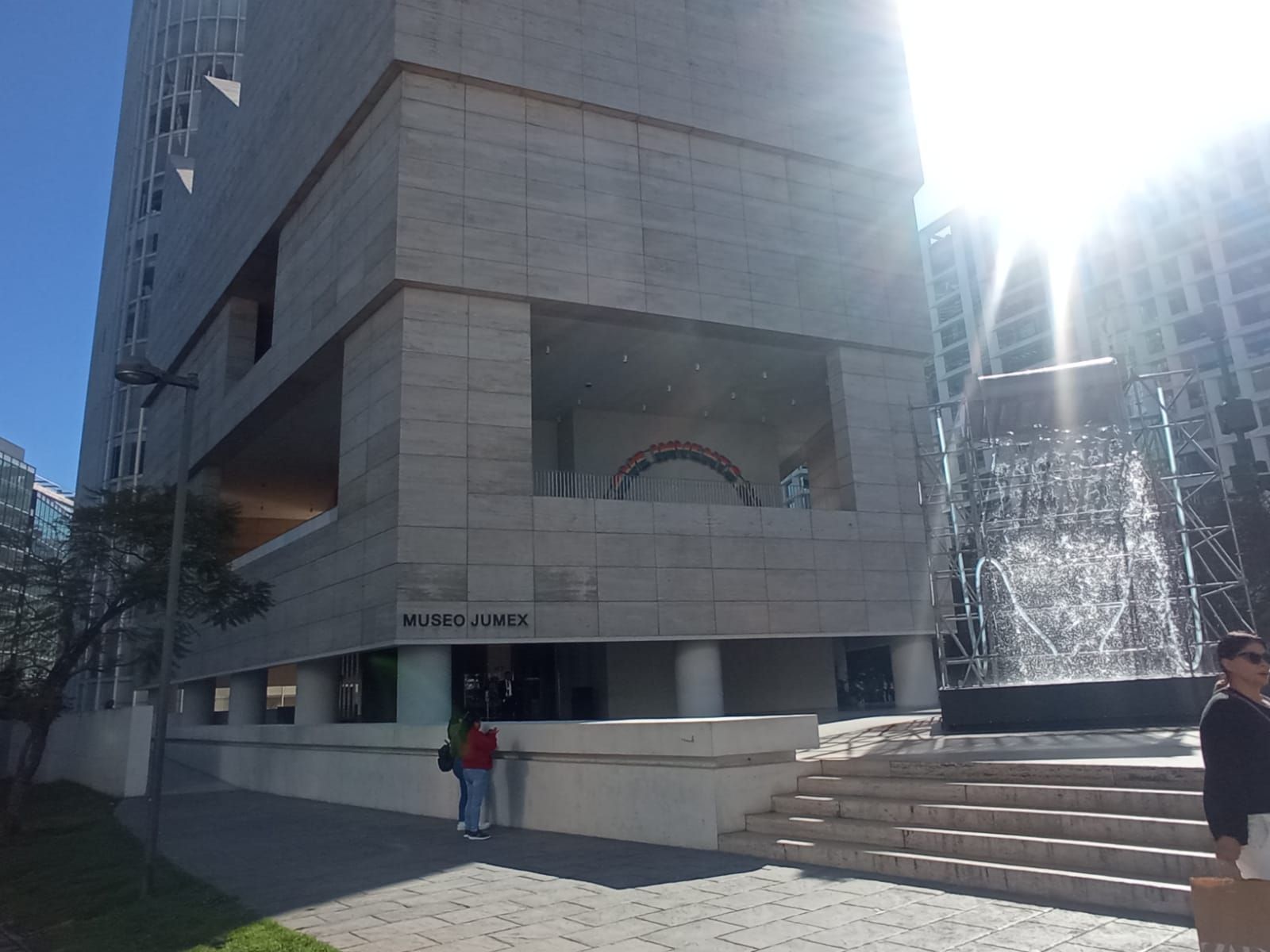
Museo Jumex: Plan Your Mexico City Art Visit
Plan Museo Jumex with free entry, current hours, exhibitions, architecture, access and a sensible pairing with Museo Soumaya.