
Museo Mural Diego Rivera: Look Closely, Plan Your Visit
Visit Museo Mural Diego Rivera by Alameda Central: how to read the mural, published hours, Sunday entry and the official price discrepancy.
The Museo Mural Diego Rivera is a good choice when you want to spend time with one major work rather than navigate another enormous collection. Its anchor is Rivera's 1947 mural, Sueño de una tarde dominical en la Alameda Central: a crowded, theatrical encounter between historical figures, personal memory and the city outside. The visit rewards looking in stages, not simply taking a photograph of the whole wall.
Do not confuse it with Rivera's studio in San Ángel, the Anahuacalli Museum or the murals inside Bellas Artes. This museum is beside Alameda Central, at the junction of Balderas and Colón. If you are still deciding which cultural visits deserve your time, our Mexico City guide compares the broader options; this page concentrates on the mural and its particular setting.
Fast facts
| Detail | What to plan around |
|---|---|
| Main work | Sueño de una tarde dominical en la Alameda Central, Diego Rivera, 1947 |
| Location | Balderas at Colón, Centro Histórico, Mexico City |
| Regular opening | Tuesday–Sunday, 10:00–18:00 |
| Regular closure | Monday |
| Admission | Official listings differ: SIC gives MXN50; INBAL venue information gives MXN45. Confirm the current amount |
| Sunday | Published as free admission |
| Suggested time | 60–90 minutes, an editorial estimate excluding travel and waiting |
Information was checked on 19 November 2026. The Secretaría de Cultura museum record is the source for the MXN50 amount and regular hours. The INBAL venue page carries the lower amount. Budget at least MXN50 for ordinary admission and confirm at the museum; the difference is a source discrepancy, not a published price range or a choice of ticket types.
Why one mural can justify the visit
A large collection often invites you to move on before you have understood what you are seeing. Here the main attraction gives you permission to stay. The mural's many people, gestures and relationships cannot be absorbed in a single glance. Even without recognising the historical figures, you can begin with expressions, clothing and the way groups occupy the same imagined public space.
This is a painted interpretation of history, not a photograph of an afternoon when all the represented people met. That distinction matters. Instead of treating the scene as a neutral chronological chart, ask what Rivera places beside what, which figures command attention and how private memory enters a public story. You can appreciate the composition while also noticing that the artist is making choices.
The museum is particularly useful for travellers whose Centro Histórico day already contains a large archaeological or architectural visit. One focused work offers a manageable change of scale. It is less suitable if you want a broad survey of all Rivera's work in one building. Choose it for sustained attention to this mural, then decide whether another museum would genuinely add something different.
Begin with the whole, then move closer
First stand where you can see the composition as a whole without blocking circulation. Let your eye move across the mural and notice where it stops. Look for changes in density, colour and gesture before trying to identify every person. This first view gives you a structure to return to when the individual stories become numerous.
Next, select one group rather than attempting to decode everything at once. The central gathering around La Catrina is a useful starting point. INBAL's account of Rivera's mural and its central figure explains the relationship with José Guadalupe Posada and Rivera himself. The museum's interpretation should guide specific identifications; guessing from resemblance can send a first visit in the wrong direction.
Then return to the wider scene. Ask how your chosen group changes the reading of the surrounding figures. Notice contrasts between public authority and everyday life, between formality and play, or between someone looking outward and someone absorbed in an exchange. These are prompts for your own observation, not a requirement to reach one approved interpretation.
Finally, take a second full view before leaving the room. A useful test is whether you can now describe one relationship you missed at the beginning. That is a more rewarding measure of the visit than counting the number of names memorised. If you are travelling with another person, compare the group that each of you noticed first.
La Catrina belongs to a larger story
Visitors often recognise La Catrina before recognising anything else in the mural. That familiarity can open the scene, but it should not reduce the work to a single icon. INBAL's explanation of the figure's place in the mural connects Rivera's treatment with Posada. The article also concerns past special activities; those event dates are not a current tour schedule.
Look at how the figure relates to the people beside her and to the rest of the park scene. The point is not merely to locate a famous skeleton, take a close-up and leave. The connection between recognisable imagery and a wider historical composition is exactly what makes this museum more useful than seeing the motif on a souvenir.
For children, start with a small visual question: which figures appear to be speaking to each other, or where does one colour recur? There is no need to turn the visit into an examination in Mexican history. Use the interpretation available in the room to answer questions that arise, and stop before everyone becomes too tired to look.
The mural's survival is part of the museum
The Secretaría de Cultura record explains that the mural was rescued from its original location after the 1985 earthquakes and moved to the site where the museum was subsequently built. The institution opened on 19 February 1988. This changes the meaning of the visit: the building is also a response to the problem of preserving a work whose original setting had been damaged.
Do not assume that the current room recreates the mural's original hotel surroundings. The transition from the Hotel del Prado to a dedicated museum is a separate story worth understanding alongside the painted figures. Look for the available documentary material concerning the move and ask what is currently on display if the supporting exhibition is important to you.
Temporary shows and activities can add context, but their presence varies. An old announcement about an earthquake exhibition, a concert or a Day of the Dead event does not establish today's programme. Make the mural the reliable reason for choosing the museum and check separately for any additional exhibition you want to see.
Tickets, Sunday and the unresolved price difference
Two official listings disagree on ordinary admission: the cultural information system gives MXN50, while the INBAL venue information gives MXN45. This guide preserves that discrepancy instead of presenting either number as an unquestioned current ticket quote. Confirm the amount close to your visit and carry enough for the higher published figure, with any additional charges checked separately.
Both listings publish free Sunday admission. That can make Sunday attractive if it fits your itinerary, but free entry does not tell you how quiet the gallery will be or guarantee immediate admission to a special activity. If close looking is your priority, choose a day and time that leave you flexibility rather than building the entire outing around saving a small amount.
The SIC record also lists free admission for students, teachers and older adults with valid official identification. Ask which documents and eligibility conditions apply to your case, especially when using identification issued abroad. Do not assume that a generic statement about a concession settles every visitor category. Photography permissions, specialist equipment and event reservations are separate questions.
Leave enough time before 18:00
The regular schedule is Tuesday–Sunday, 10:00–18:00, with Monday closed. The sources checked do not establish a separate final-admission deadline. Arriving minutes before 18:00 is therefore a poor strategy even if you only want to see the main mural. Work backwards from the 60–90 minute editorial allowance and leave time for finding the entrance and buying a ticket.
A shorter visit can still work if you choose the mural alone and accept that you will not read every panel. A longer visit makes sense when you want documentary context, a current temporary exhibition or careful discussion with a companion. The museum's size does not determine how much attention the painting deserves.
Check the current programme if you want a guided visit or evening activity. Special events can have separate times, capacity limits or registration. A historical press release is useful for understanding the institution, but not for promising a tour in a particular language on your travel date.
Connect the painting with Alameda Central
After the museum, spend some time in Alameda Central if weather and your schedule allow. This is an editorial suggestion for connecting the title's public setting with the real city, not an attempt to match every painted detail to a surviving feature. The contrast between an imagined historical gathering and people using the park today can be as interesting as identifying another figure.
For another mural experience nearby, compare our Palacio de Bellas Artes guide. Bellas Artes offers a different museum decision and separate admission; an exterior view or a performance ticket should not be assumed to include the visual-art galleries. Two art visits can work well if you still have attention for the second, but the park and a meal may be enough.
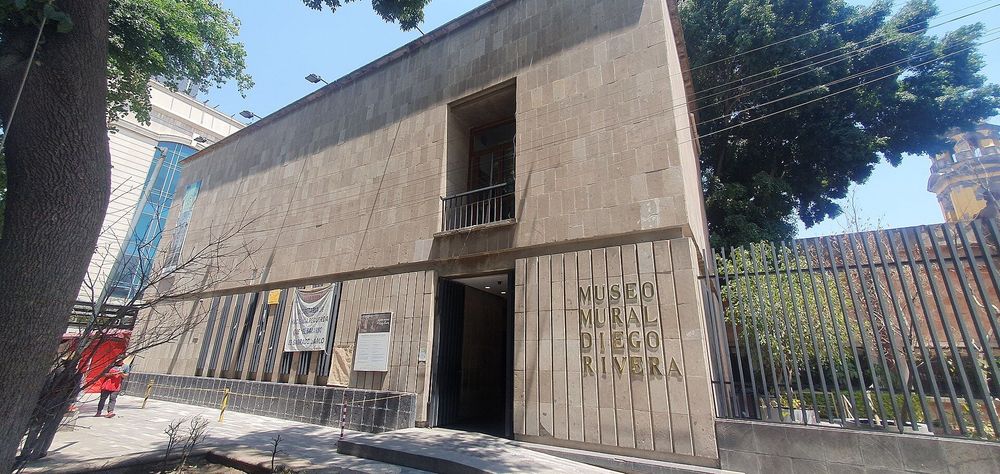
Use the exact museum name when routing your journey. This guide has not verified a current station-to-door accessible route, cloakroom service or fixed taxi fare. Ask about step-free entry and other facilities if they matter to you. The archive cover was photographed in April 2024; its banners and street details do not establish current access conditions.
Cover photograph: Stone facade and signed entrance of Museo Mural Diego Rivera in Mexico City — Archive photograph from April 2024; visible banners and entrance details do not establish current access conditions. — José Luiz, CC BY-SA 4.0.
Frequently Asked Questions
Is this the same museum as Diego Rivera's studio?
No. Museo Mural Diego Rivera is at Balderas and Colón beside Alameda Central and centres on the 1947 mural. Rivera's studio in San Ángel and Anahuacalli are separate institutions in other areas.
What is the current entrance price?
Official listings checked on 19 November 2026 disagree: SIC gives MXN50 and INBAL venue information gives MXN45. Budget at least MXN50 for ordinary admission and confirm the actual charge before your visit.
Is Sunday free and is Monday closed?
Published information lists free admission on Sunday and regular closure on Monday. Normal opening is Tuesday–Sunday, 10:00–18:00. Special events and exceptional closures should be checked separately.
How long should I spend at the museum?
Allow roughly 60–90 minutes as an editorial estimate, excluding travel and waiting. Start with the whole mural, study one group, then return to a wider view; add time for any current supporting exhibition.


Keep Exploring
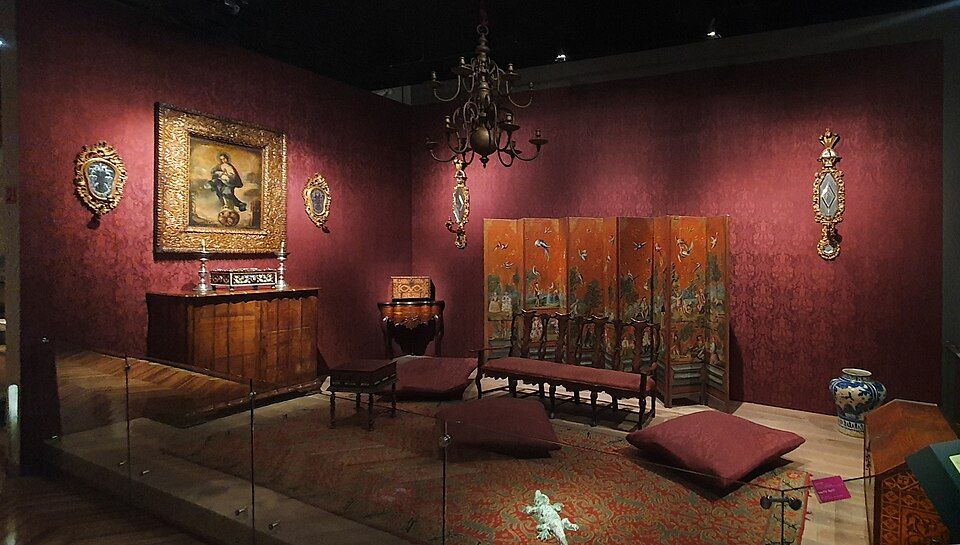
Museo Franz Mayer: Plan Your Mexico City Visit
Plan Museo Franz Mayer with current general ticket prices, free Tuesday conditions, collection highlights and advice on special exhibitions.
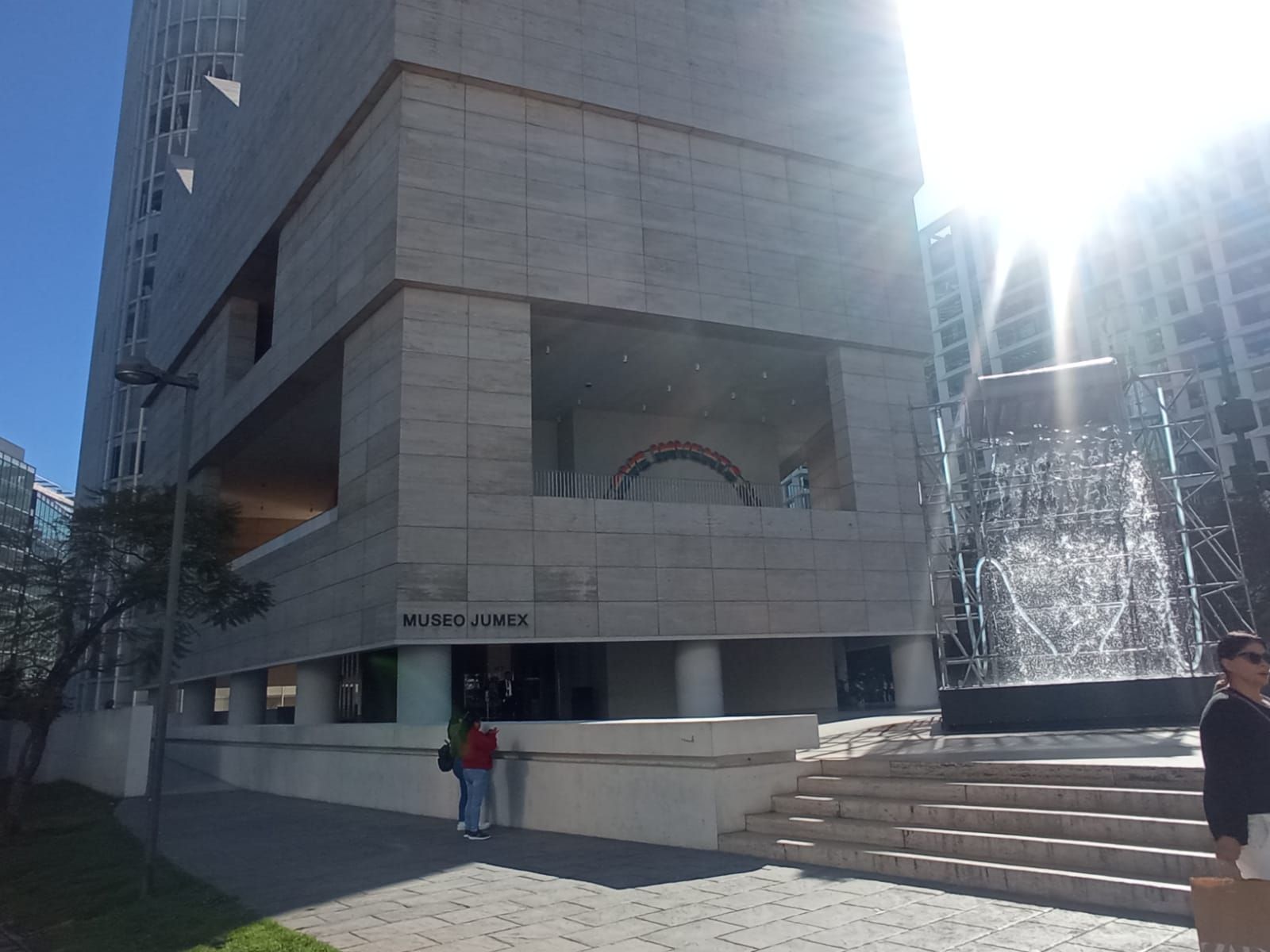
Museo Jumex: Plan Your Mexico City Art Visit
Plan Museo Jumex with free entry, current hours, exhibitions, architecture, access and a sensible pairing with Museo Soumaya.
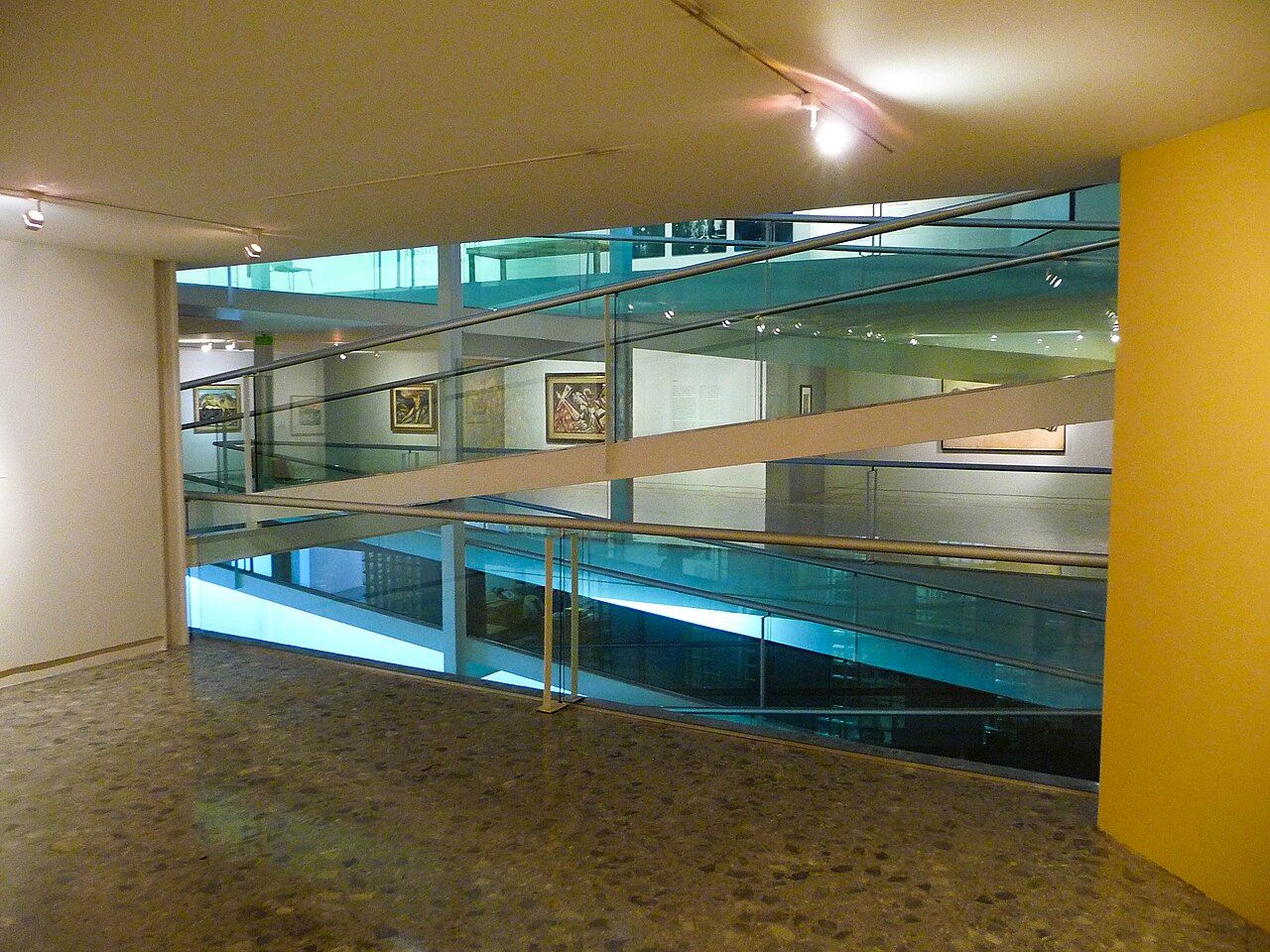
Museo Carrillo Gil: Plan Your Mexico City Visit
Choose a focused Museo Carrillo Gil visit through collecting and contemporary art, with current exhibition dates, admission and San Ángel planning.