
Choose First Peoples, the Forest Gallery and Triceratops, with general-entry prices, special-exhibition inclusions and practical access advice.
Melbourne Museum is easiest to enjoy when you choose a few collections before buying a ticket. First Peoples, the living Forest Gallery and the Triceratops exhibition offer very different ways into the museum: Aboriginal Victoria through community voices, a Victorian mountain environment, and a fossil whose scale rewards looking from several angles. These belong to the general museum visit; a special exhibition or an IMAX film can change both the price and the shape of your day.
The museum stands in Carlton Gardens, opposite the Royal Exhibition Building. It is a good choice when you want history and natural science together, especially if your group has mixed interests. For the surrounding city, use our Melbourne guide. For a visit centred on painting, sculpture or design collections, compare the NGV's International and Australia venues before committing your main museum afternoon.
What the general ticket covers
The official visitor information lists general admission at A$18 for adults. Children 16 and under enter free, as do visitors with eligible concession cards. The A$12 senior rate is for Australian Seniors Card holders who do not qualify for another concession. Check the accepted evidence rather than assuming that an overseas senior discount works in the same way. Museum membership and Companion Card arrangements have their own conditions.
General admission includes First Peoples at Bunjilaka Aboriginal Cultural Centre, the Forest Gallery and Triceratops: Fate of the Dinosaurs. You do not need a separate dinosaur ticket for that permanent exhibition. Some temporary shows and events cost extra; IMAX has its own film sessions and booking. The useful question at checkout is whether a special-exhibition ticket already includes museum admission, because buying both can duplicate the general-entry component.
Opening hours are 09:00–17:00 daily, with closures on Good Friday and Christmas Day. A late arrival can still support a focused visit, but opening until late afternoon does not make a full circuit realistic. Look at the exhibition map and decide which collection matters most before spending your first stretch in the foyer.
Start with First Peoples if this is your first visit to Victoria
First Peoples explores Aboriginal Victoria from Creation to the present. Its authority comes from the involvement of the Yulendj group of Elders and community representatives working with the museum. Voices, language and contemporary lives belong to the exhibition's central story, alongside objects and accounts of the past.
Give this gallery unhurried attention. The Deep Listening Space is an invitation to listen to people describing their lives and experiences; the Bunjil creation story has a different rhythm from a conventional sequence of object labels. The Many Nations section brings together historic and contemporary Aboriginal and Torres Strait Islander objects and art. These are connected parts of a living cultural account, so a quick photograph followed by a rush to the dinosaurs misses much of what the exhibition offers.
For a mixed-age group, choose a small number of stories to follow together. Let the voices in the exhibition guide the discussion rather than trying to explain every display in advance. There is no need to make the visit into a test of how many facts everyone remembers. Reading and listening also take energy, so this is a sensible first stop while attention is fresh.
Bunjilaka is within Melbourne Museum, not a separate attraction across the city. You can build the rest of the day around it without changing venues or paying another admission charge. If you have only a short visit, First Peoples plus the Forest Gallery makes a coherent pairing: cultural perspectives on Country followed by a living environment that also includes First Peoples' knowledge.
Use the Forest Gallery as a collection, not just a shortcut
The Forest Gallery recreates a Victorian mountain landscape with tall eucalypts, ferns, water and living animals. It is part of the museum, but its atmosphere is different from an enclosed display hall. Seasonal change, weather and the activity of wildlife affect what you notice. Bring the same light weather layer you would want for a short outdoor pause.
The interpretive experience Biik Milboo Dhumba | Country Is Always Talking brings Eastern Kulin perspectives into the gallery. Robert Young's Sacred Tree of Our Songlines is another reason to slow down and look beyond the greenery. The forest is not simply decorative space between indoor exhibitions; the relationships between plants, animals, water and people are the subject.
You may see birds, fish or other wildlife, but treat the animals listed by the museum as residents to look for, not appointments. A quiet pause by water or vegetation can reveal more than moving continuously around the path. With children, make the challenge one of observation: find changes in leaf shape, notice where light reaches the ground, and listen before deciding that nothing is happening.
This is also a useful change of pace after a gallery with substantial reading. It does not need to be an extra stop squeezed in at closing time. Put it between First Peoples and the fossil galleries, or make it the final collection before returning to Carlton Gardens.
Give Horridus a proper look
Triceratops: Fate of the Dinosaurs centres on Horridus, a Triceratops fossil discovered in Montana. The exhibition is included in general admission. Its appeal is not limited to children or people who can already identify dinosaurs: the skeleton provides a clear focus, and the surrounding interpretation connects an individual animal with a much larger prehistoric world.
Start with the whole skeleton before moving closer to particular features. Looking from different positions makes the relationship between the skull, horns, body and legs easier to understand. If your group wants different levels of detail, agree on a meeting point inside the gallery so that keen readers can stay with the interpretation while others spend longer looking at the specimen.
For a family whose main priority is dinosaurs, it is reasonable to start here. A strict route that delays the most anticipated exhibition can make the rest of the museum harder to enjoy. Afterwards, choose First Peoples or the Forest Gallery according to the group's energy, rather than promising every collection. The museum's permanent Triceratops display should not be confused with a dinosaur exhibition remembered from a previous year's programme.
When a special exhibition changes the ticket decision
Check an exhibition's own dates, not just a prominent picture on a general events page. A specific example is Barbie: The Exhibition, scheduled for 28 November 2026–16 May 2027. The museum lists the adult ticket at A$30, including museum entry. It is a design exhibition developed by the Design Museum in London; it is not part of the ordinary permanent-gallery ticket.
For those dates, visitors who want Barbie and the permanent collections should compare the combined inclusion before purchasing a separate general ticket. For a visit outside those dates, the exhibition is not a reason to plan the journey. Other special shows may use different prices, booking rules and inclusions, so this example is a way to understand the decision, not a permanent museum-wide upgrade price.
Treat IMAX similarly as a separate appointment. Choose the film and session first, then leave enough space for the museum collections that interest you. A fixed screening in the middle of the day can work well as a break, but it reduces the flexibility of an otherwise open-ended museum visit.
Getting there and choosing a realistic route
The address is 11 Nicholson Street, Carlton. The museum's transport page directs tram passengers to routes 86 and 96, Stop 11 at Nicholson and Gertrude streets; Parliament is the nearby train station it identifies. Check the journey planner for the actual date and stop arrangements. Do not assume a museum journey is free simply because it starts in central Melbourne.
The museum has an underground car park with access from Rathdowne and Nicholson streets. Parking has its own charges and payment arrangements, so general admission is not an all-day transport package. If you arrive on foot through Carlton Gardens, the Royal Exhibition Building provides a useful landmark opposite the museum. Its exterior and the gardens can extend the outing, while access inside that building requires a separate check.
For a compact visit, choose First Peoples and the Forest Gallery. For a dinosaur-led family outing, start with Horridus and add a slower collection afterwards. For a special-exhibition day, build the permanent-gallery choices around the booked admission time. These are planning suggestions, not official tour durations: the right pace depends on how much listening, reading and resting your group needs.
Access and sensory planning
The accessibility guide identifies step-free entry from the central courtyard between the museum and Royal Exhibition Building, with lifts and ramps serving public galleries. Wheelchairs and a mobility scooter are available to borrow; advance booking is recommended. If a particular aid is essential, arrange it before travelling rather than relying on availability at the desk.
Free sensory bags at the admissions desk include items such as earmuffs and fidget tools, and the museum provides visual stories and sensory maps. These resources can help you choose a route and prepare for changes in light, sound and space. They do not mean that every gallery or visiting period will be quiet. A shorter visit with a clear first choice can be more satisfying than a long itinerary that leaves no room to adapt.
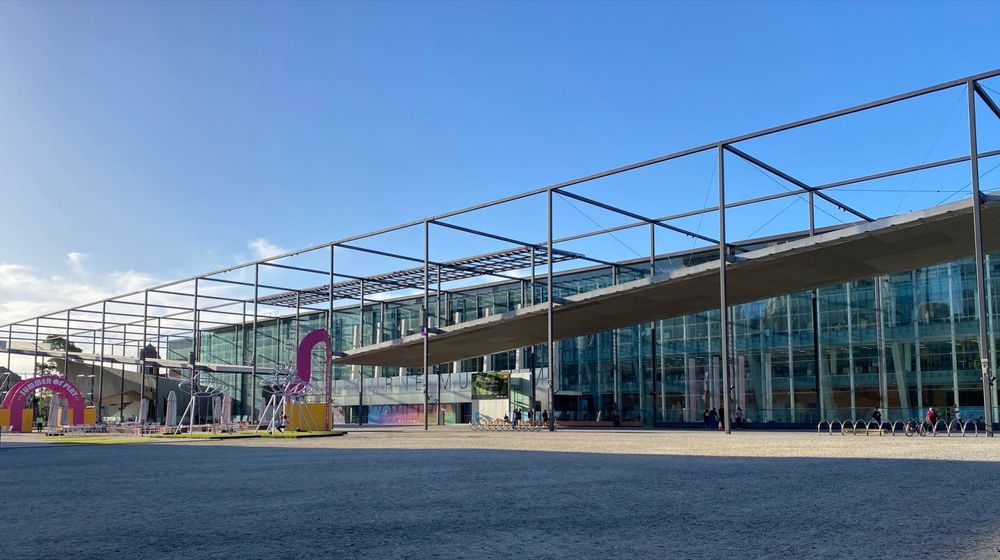
Cover photograph: Glass facade and forecourt of Melbourne Museum in Carlton — -wuppertaler, CC BY 4.0. Archive photograph taken in 2023; resized for display. Visible event signage does not describe the current programme.
Frequently Asked Questions
Is Melbourne Museum free?
General adult admission is A$18. Children aged 16 and under and eligible concession-card holders enter free. Australian Seniors Card holders who do not qualify for another concession have an A$12 rate. Some exhibitions and events cost extra.
Do you need another ticket for First Peoples or Triceratops?
No. First Peoples at Bunjilaka, the Forest Gallery and Triceratops: Fate of the Dinosaurs are included in general museum admission. Special exhibitions and IMAX have separate booking arrangements.
Is the Forest Gallery indoors?
It is a living forest environment within the museum site, with plants, water and wildlife affected by outdoor conditions. Bring a suitable layer rather than treating the whole museum visit as a fully enclosed indoor activity.
Does the Barbie exhibition ticket include the museum?
The museum lists Barbie: The Exhibition for 28 November 2026–16 May 2027, with adult admission at A$30 including museum entry. Check the exhibition's own booking page for your date and ticket category.


Keep Exploring
Sumida Hokusai Museum: Choose Your Tokyo Visit
Choose the Sumida Hokusai Museum ticket for your interests: replicas, changing original works, Ryogoku access and practical visit planning.
Brooklyn Museum: Choose Your New York Art Visit
Plan the Brooklyn Museum with admission options, exhibition tickets, current hours, accessible routes and realistic Brooklyn combinations.

Intrepid Museum New York: Choose Your Visit
Choose the carrier, Enterprise, Growler or a Concorde tour, with access checks, digital tickets and dated closures.