
Essaouira Medina: A Cultural Walk by the Sea
Explore Essaouira through its two Skalas, Bayt Dakira, thuya craft and Dar Souiri, with practical checks for a thoughtful cultural half-day.
Essaouira's medina rewards a walk built around questions: why does a Moroccan town have such a prominent line of seaward cannon, what connects its houses to maritime trade, and where can you encounter the people and skills behind the objects in its shops? You can answer more of those questions by choosing a few purposeful stops than by trying to photograph every blue doorway.
This cultural walk connects the waterfront fortifications with Bayt Dakira, craft streets and, when its programme suits your visit, Dar Souiri. Allow roughly half a day, including an indoor visit and time to talk or browse. That is a planning allowance, not an official route duration. If you are still deciding how to reach the town or whether to sleep here, use our Marrakech–Essaouira day trip or overnight guide first.
Choose the kind of encounter you want
| Stop | What it adds | What to check |
|---|---|---|
| Harbour edge | The working waterfront behind the trading-town story | Safe public access and activity on the day |
| Skala du Port | The relationship between fortifications and harbour | Separate entrance, access and any current charge |
| Skala de la Kasbah | The medina's seaward defensive frontage | Conditions on exposed sections and current access |
| Bayt Dakira | Jewish memory and another perspective on the town | Opening arrangements before setting out |
| Craft streets | A chance to ask about materials and workmanship | Whether a shop is also a working workshop |
| Dar Souiri | A cultural centre rather than a guaranteed performance | Today's programme and opening confirmation |
The two Skalas are distinct places. Visiting one does not mean you have visited the other, and a price quoted for one should not be applied to both. The Moroccan tourist office's medina overview distinguishes the port fortification from the Kasbah ramparts. Save both names on your map before leaving your accommodation.
Read the town from the waterfront
UNESCO describes Essaouira as an eighteenth-century fortified trading town where European military architecture was adapted to a North African setting. Its history connects commerce between Africa and Europe with a deliberately developed royal port. That is the useful starting point for understanding the World Heritage medina.
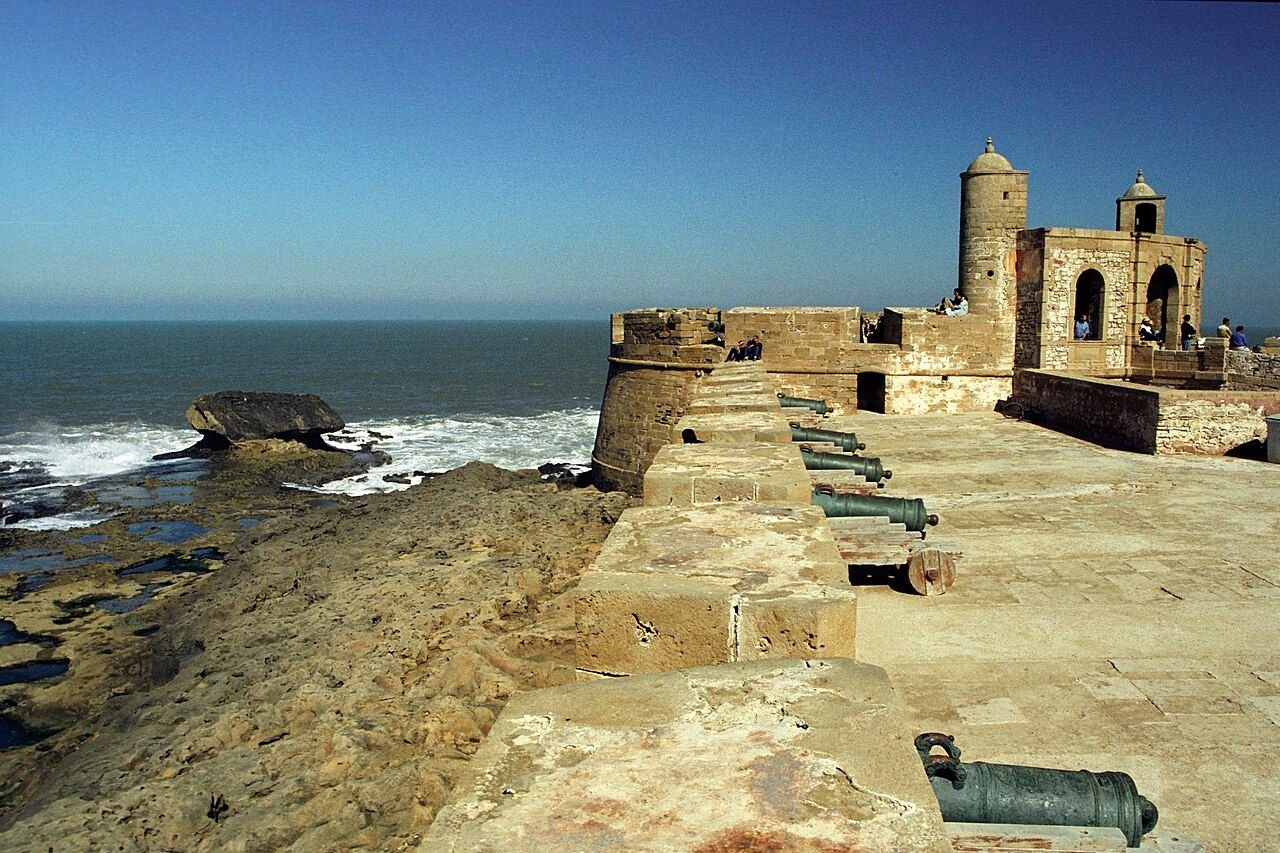
At the harbour edge, look first at the relationship between water, walls and entrances. A photograph of a cannon isolates an object; looking back towards the town shows why the position mattered. Then turn towards the harbour activity. The waterfront is also a place of work, so leave room for people carrying equipment and move out of narrow passages before consulting your phone.
You do not need to enter every controlled area to understand this relationship. If a gate is closed, the exterior still offers a useful orientation stop. Follow barriers and instructions rather than copying someone else's route onto a jetty or working surface. Wind, spray and wet stone can change the comfort of this part of the walk considerably. Keep the exposed section flexible instead of saving it for a non-negotiable sunset appointment.
For photographs, choose a position where you can stand without blocking movement. Ask before making a worker the main subject of a close photograph. A wide view can tell the story of the harbour without turning an individual at work into a posed attraction.
Give each Skala a different purpose
Use Skala du Port to think about the harbour and its entrance. Use Skala de la Kasbah to consider the town's sea-facing boundary. They belong to the same broader story, but offer different spatial relationships. Seeing both can be worthwhile if fortifications interest you; if time is short, select the one that best answers your question rather than treating them as interchangeable photo platforms.
At the Kasbah side, slow down enough to compare the long defensive line with the smaller-scale streets behind it. Notice the transition from an exposed edge to enclosed lanes, doorways and commercial spaces. The change of scale is more instructive than a rushed tally of monuments. You can make this observation from accessible public areas without assuming that every stairway or platform is open.
No reliable current tariff for both sites was confirmed in the primary sources checked for this guide. Check posted conditions at the relevant entrance and ask what a ticket includes before paying. Do the same for steps or mobility requirements: access to a street below the walls does not establish step-free access to an upper platform.
Make Bayt Dakira the indoor anchor
Bayt Dakira offers a different way to read the medina after the military architecture. The official tourism listing identifies this House of Memory with the Simon Attias synagogue in the old Kasbah and gives its address as Rue Ziry Ibn Atiyah. Check current visiting arrangements; the page does not provide a usable opening timetable.
Set aside around 45–60 minutes as a flexible planning estimate. Give yourself enough time to read, rather than using the building only as an architectural backdrop. A useful question to carry inside is how the town's history changes when you pay attention to a community rather than to its defensive walls. Let the displays supply the detail; do not assume that a familiar story about Morocco applies identically to Essaouira.
Observe any instructions on photography and conduct. If a room or religious space is unavailable, do not infer that the entire visit has failed: ask which areas can currently be seen. Equally, a tourism listing is not a reservation. If this is the main reason for your walk, confirm access before fixing the rest of your day around it.
Afterwards, pause somewhere outside the entrance to compare what you learned with the waterfront. This is a useful moment to decide whether you want another cultural interior or more time in the streets. You need not add a second museum simply to make the itinerary look fuller.
Look beyond the finished wooden box
Essaouira is associated with thuya woodwork, but a shop display and a workshop visit are different experiences. Begin with the object in front of you: ask which parts are solid wood, which are veneer, and whether the seller made it or works with another craftsperson. These are fair buying questions, not a test you need to pass before enjoying the work.
Look at the meeting of edges, the way a lid closes and the finish inside as well as outside. Compare objects of similar size before comparing prices. An elaborate pattern does not by itself tell you how long an object took to make, where it was produced or whether its materials came from a traceable source. Ask for that information rather than supplying a romantic explanation yourself.
If someone is working, ask before photographing the process. An open door does not automatically invite you to handle tools or interrupt a commission. If you want a demonstration, establish whether it is offered, how long it lasts and whether there is a fee. This keeps a friendly conversation from becoming an unclear commercial arrangement.
For a more substantial activity, the official tourism portal lists a thuya sculpture workshop lasting about 3 hours 30 minutes at Argana Crafts Shop in the Complexe Intégré de l'Artisanat, lotissement Argana. Confirm availability, price and meeting point directly. It is a separate commitment, not a short medina demonstration to insert casually between two sights.
Choose that workshop instead of a long shopping circuit if making matters more to you than browsing. Ask about the language used, the tools involved and any age or mobility requirements before booking. For a purchase, agree on packaging and transport before paying; a beautiful but awkward object may be less practical than a smaller piece you can inspect and carry yourself.
Use Dar Souiri for the living cultural scene
Dar Souiri's official tourism page describes a nineteenth-century residence now used for cultural activity. It lists Monday–Saturday opening of 09:00–12:00 and 15:00–19:00, at 10 avenue du Caire. These are listed visiting hours, not a promise that a concert or exhibition will be happening when you arrive.
Check the programme before making a detour. A cultural centre may be most rewarding when a specific event matches your interests, while an unprogrammed visit can be quieter and shorter. If you are choosing between Dar Souiri and an unhurried Bayt Dakira visit, select according to the actual programme rather than assuming that more stops automatically make a richer day.
Allow for the midday closure in the published schedule, and reconfirm it locally. Do not build your only indoor refuge around an unverified opening, particularly when the weather makes the waterfront uncomfortable. A simple alternative is to move your meal or browsing break earlier and return after confirmed reopening.
Keep the walk flexible and respectful
The sequence can be waterfront, Kasbah streets, Bayt Dakira and a craft stop, with Dar Souiri added when its programme is useful. Reverse the exposed and indoor sections if conditions suggest it. This is an interpretive framework, not a timed navigation route: current entrances, your pace and what you find interesting should determine the exact path.
Wear shoes suitable for uneven surfaces and keep hands free on steps. If travelling with someone who has limited mobility, ask each indoor venue about its own access; the compactness of the medina does not establish accessibility. With children, choose one observation at each stop—an entrance facing the sea, a different material, a detail on an object—rather than asking them to absorb every label.
Leave quiet residential doorways clear and keep voices low near places of worship. A purchase is optional, and a courteous refusal is enough. For the wider journey, our seven-day Morocco itinerary helps place this cultural half-day within a larger trip without overloading the medina walk itself.
Cover photograph: Cannon along Essaouira’s Skala de la Kasbah with the Atlantic beyond — Historic photograph; capture date unknown, first uploaded in 2007. It does not confirm current access. — Jerzy Strzelecki, CC BY 3.0.
Frequently Asked Questions
Are Skala du Port and Skala de la Kasbah the same place?
No. They are distinct fortifications associated with the harbour and the medina's seaward side. Check each entrance separately for access and any charge.
How long should I allow for this cultural walk?
Roughly half a day is a useful planning allowance for the waterfront, Bayt Dakira and unhurried craft browsing. The listed 3 hours 30 minutes thuya workshop is a separate activity and should replace part of that plan.
Can I rely on published opening hours for Bayt Dakira?
The official tourism page checked for this guide does not give a usable timetable. Confirm access before setting out, especially if the House of Memory is your main reason for visiting.
Do I need to buy something to see local craftwork?
Browsing does not require a purchase. Ask permission to watch or photograph work, and agree any demonstration fee beforehand. A structured workshop requires its own availability and booking check.


Keep Exploring
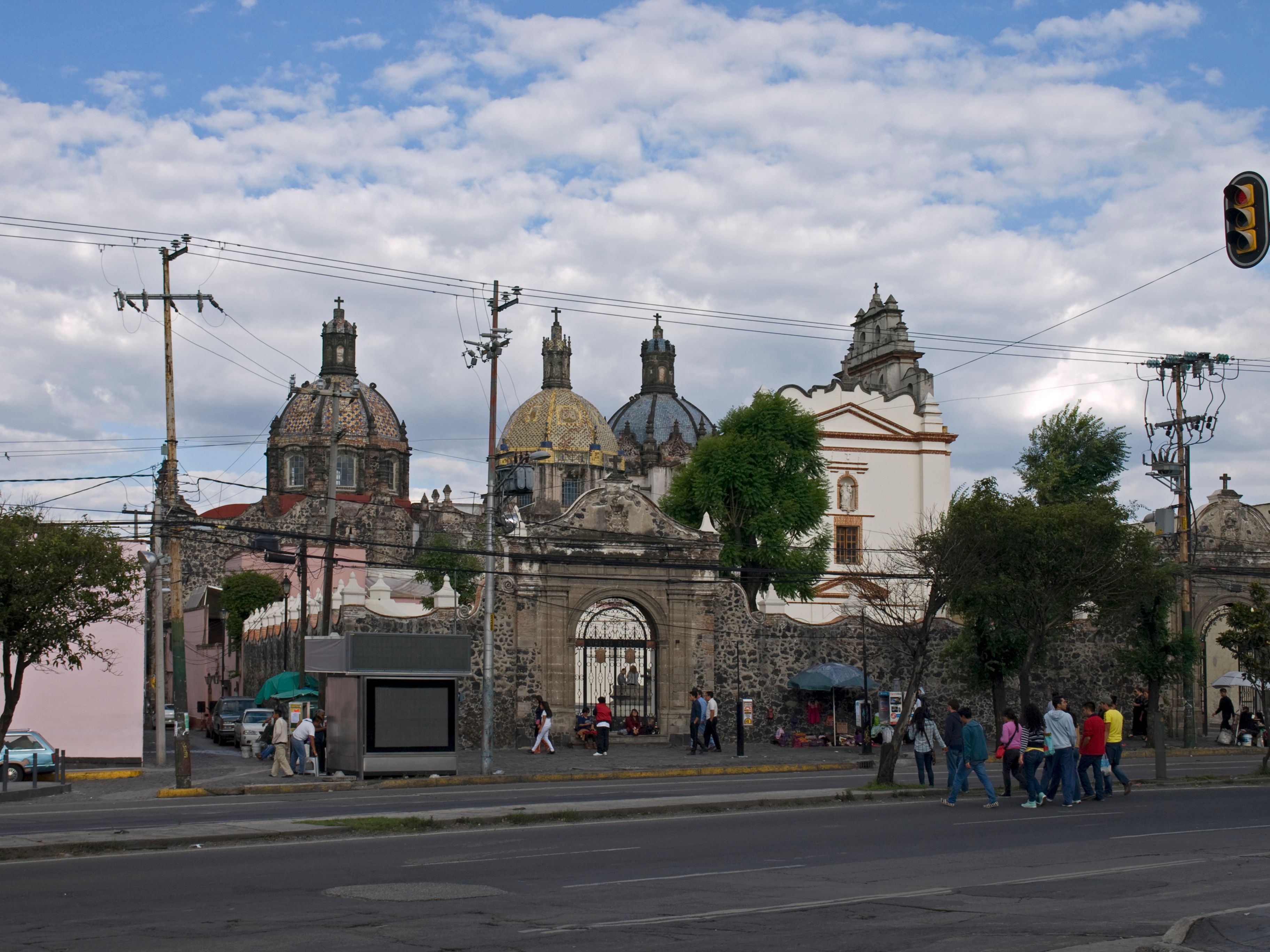
San Ángel Mexico City: Art and a Neighbourhood Walk
Plan San Ángel around Plaza San Jacinto, Saturday crafts and one museum, with El Carmen timetable warnings and the separate Rivera–Kahlo studio.
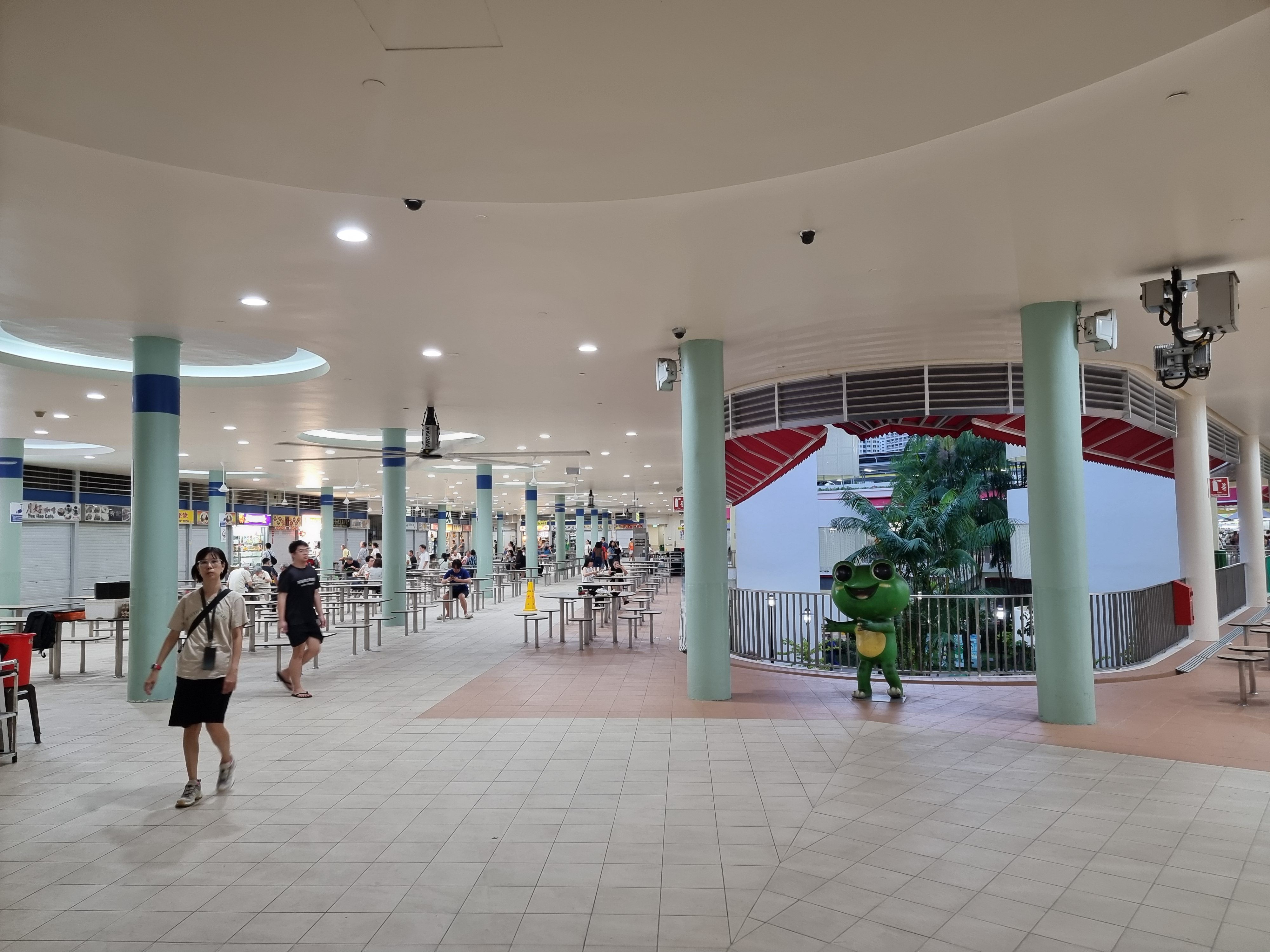
Tiong Bahru Singapore: A Neighbourhood Walk
Walk Tiong Bahru through its market, Streamline Moderne flats and small garden, with a focused route and clear limits on air-raid shelter access.
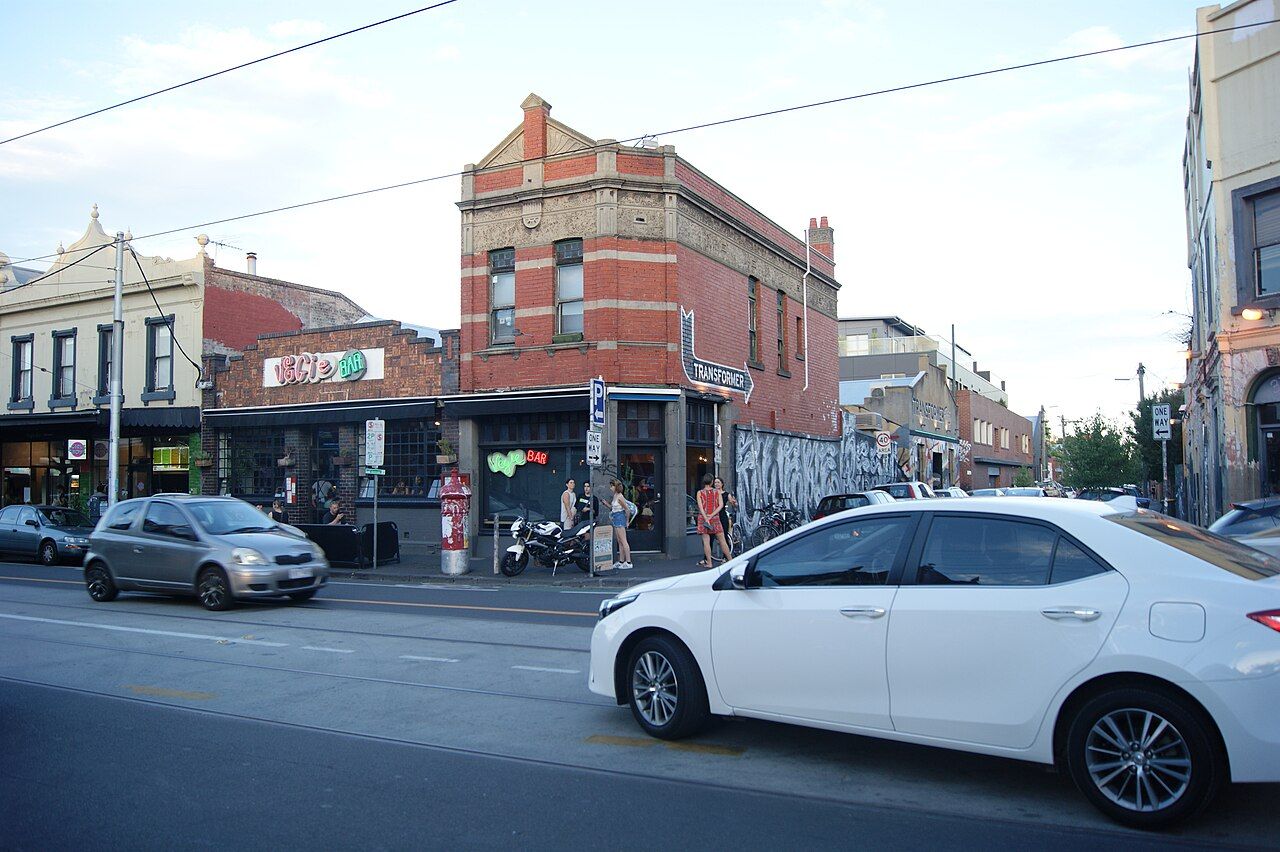
Fitzroy Melbourne: Art, Streets and a Local Walk
Plan a Fitzroy walk around Gertrude and Brunswick Streets, Rose Street Market, First Nations audio stories and carefully chosen gallery stops.