
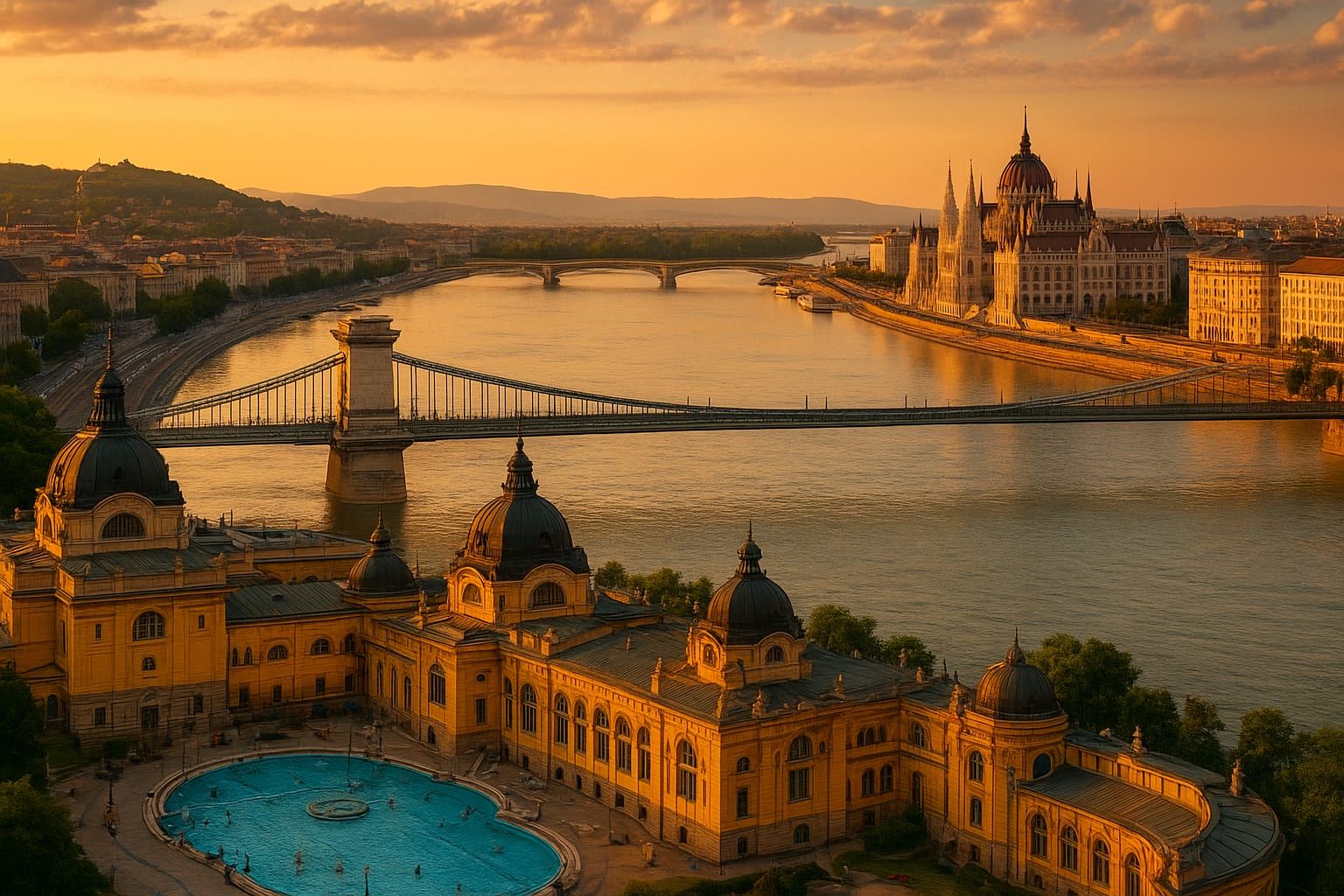
A compact 3-day guide to Budapest: soak in famous thermal baths, wander Castle Hill and Pest landmarks, taste authentic Hungarian food, and experience ruin-bar nightlife.
3 Days in Budapest: Baths, Ruin Bars & Beyond
Budapest is one of Europe’s most magnetic city-break destinations — a city stitched together by a wide, slow Danube, crowned by hilltop castles on Buda and ornate 19th-century architecture on Pest. In three days you can soak in steamy thermal baths, wander imperial boulevards, climb to panoramic viewpoints and lose an evening in the city’s world-famous ruin bars. This guide lays out a practical, experience-first 72-hour plan plus local tips to help you travel like someone who’s been here before.
Quick planning essentials
- When to go: Spring (Apr–Jun) and early autumn (Sep–Oct) are ideal — mild weather, fewer tourists. Winters are atmospheric (Christmas markets), but baths are especially popular then.
- Currency & payments: Hungary uses the forint (HUF). Cards are widely accepted but carry cash for market stalls, small cafés and public baths.
- Getting around: Budapest has an efficient metro, trams and buses. Buy a 72-hour travel pass if you’ll use public transport frequently. Most central sights are walkable.
- Neighborhoods to stay: Belváros/Lipótváros (city centre) and the Jewish Quarter (Erzsébetváros) put you in walking distance of bars, restaurants and attractions.
Day 1 — Classic sites & your first thermal bath
Morning: Buda Castle and Castle Hill
Start your visit on the Buda side. Take the funicular or walk up to Castle Hill to visit the Royal Palace complex, the Budapest History Museum (if you like museums) and the cobbled streets that spill toward the Fisherman’s Bastion. From here you’ll get postcard-perfect views of the Parliament and the Danube.
- Don’t miss: Matthias Church (ornate tile roof and colorful interior). Early mornings are quieter for photographs.
Lunch: Try a local goulash or lángos
Eat at a neighborhood bistro or head down toward the river to find cafés that serve goulash, paprikash and hearty winter soups. For a quick, local snack, try lángos — deep-fried flatbread often topped with sour cream and cheese.
Afternoon: Relax at Gellért or Rudas Baths
After a morning of walking, treat yourself to Budapest’s signature experience: a thermal bath. Two excellent choices near the city centre:
- Széchenyi Baths (Pest side) — the largest and most iconic outdoor bath complex with several indoor pools and steam rooms. Great in all seasons; lively.
- Gellért Baths (Buda side) — art-nouveau glamour with thermal pools and beautiful tiled interiors.
- Rudas Baths — historic Ottoman-era baths with a dramatic domed main pool and a rooftop thermal pool offering views across the Danube (check gender-specific hours and rooftop opening times).
Local tip: Book tickets online in advance for weekend visits (Széchenyi sells out early). Bring flip-flops, a towel and a small lock for the changing cabins. Some baths rent towels and lockers, but it’s cheaper to bring your own.
Evening: First taste of ruin bars
Head to the Jewish Quarter (Erzsébetváros) for dinner and your first ruin-bar experience. Ruin bars started as makeshift pubs in abandoned buildings and courtyards; now they’re eclectic nightlife hubs full of mismatched furniture, art and live DJ sets.
- Start at Szimpla Kert — the granddaddy of ruin bars. It’s touristy but atmospheric and a good primer.
- For a more indie or music-focused vibe, try Instant-Fogas or a smaller bar tucked into the side streets.
Dining tip: Pair bar-hopping with dinner at a contemporary Hungarian bistro or order street-food style dishes in the Jewish Quarter.
Day 2 — Parliament, markets and thermal culture repeat
Morning: Parliament & St. Stephen’s Basilica
Begin at the Parliament building (book a guided tour online in advance; it’s one of the most popular attractions). Walk along the Danube promenade and visit shoes on the Danube memorial — a moving Holocaust remembrance installation.
Then head to St. Stephen’s Basilica on the Pest side. If you’re up for it, climb (or take the lift) to the dome for city views.
Lunch: Great Market Hall
Explore the Great Market Hall (Nagycsarnok) for lunch — you’ll find paprika, sausage, pickles and freshly made mónos like lángos and gulyás. It’s a great spot to pick up edible souvenirs.
Link: For more on Budapest’s culinary scene and where to eat, see our Budapest Food Guide: Budapest Food Guide: Europe’s Most Authentic Food City.
Afternoon: Museums or a Danube cruise
Options:
- Museum-goers: the Hungarian National Museum or the House of Terror (a sobering museum about totalitarian regimes) make thought-provoking stops.
- Scenic option: take a 1–2 hour Danube river cruise for a different angle on the city’s monuments. Afternoon cruises are calmer; evening cruises show the city lit up.
Late afternoon: Széchenyi Baths (if you didn’t do a bath on Day 1)
If you visited Gellért or Rudas on Day 1, consider Széchenyi for Day 2 because it’s the only one with large outdoor pools where you can soak in thermal water while watching people play chess (a Budapest pastime). It’s especially charming near sunset and in winter when steam rises from the warm water.
Night: Ruin bars & craft cocktails
Explore different ruin bars from your first evening or find a more curated cocktail bar. The Jewish Quarter also houses many late-night street-food vendors — ideal for late dinners.
Local nightlife tip: Some ruin bars can get crowded and smoky. If you prefer quieter evenings, look for courtyards or newer ‘ruin-style’ bars that prioritize seating and live music.
Day 3 — Hidden gems & a day trip option
Morning: Walk Andrássy Avenue & Heroes’ Square
Stroll down Andrássy Avenue — Budapest’s Champs-Élysées — past elegant townhouses to Heroes’ Square and City Park (Városliget). Nearby you can visit the Museum of Fine Arts or the Szépművészeti (fine arts) galleries.
Midday: City Park and Vajdahunyad Castle
In City Park you’ll find Vajdahunyad Castle (a whimsical fairytale-like building), the Municipal Circus, and cafés where locals grab coffee. If you’re traveling with kids, the Budapest Zoo and Botanical Garden border the park.
Lunch: Try contemporary Hungarian cuisine
Pun your appetite at a modern bistro or try a local farmers’ café. Budapest’s food scene is diverse — from Michelin-starred restaurants to affordable, innovative bistros.
Afternoon options: Szentendre or a local neighborhood discovery
- Szentendre day trip: A 40–50 minute suburban train ride north of Budapest, this riverside artist town offers cobbled streets, galleries and relaxed cafés — a peaceful contrast to the city.
- Neighborhood deep dive: Spend the afternoon exploring Fővám tér, the Jewish Quarter’s synagogues (Dohány Street Synagogue is the largest in Europe), or the eclectic shops of the Palace District.
If you’re feeling adventurous, Bratislava is an easy 2.5–3 hour bus/train ride away — a good option if you want to add another capital (see our Weekend in Bratislava guide for ideas): [/en/itineraries/weekend-bratislava-slovakia-underrated-capital].
Evening: Final night — river views and a relaxed ruin bar
For your last night, opt for a quieter riverside dinner on the Danube promenade or a rooftop bar to toast the city. Finish in a comfortably chaotic ruin bar for one last look at Budapest’s late-night spirit.
Practical tips & local insights
Bath etiquette and practicalities
- Bring: flip-flops, a towel, swimsuit and a small padlock (for lockers). Many baths rent towels and lockers, but it’s cheaper to bring your own.
- Hygiene: Shower before entering pools. Don’t dive in the thermal pools — they’re for soaking.
- Tickets: Book online for Széchenyi at weekends. Rudas and Lukács sometimes have gender-segregated sessions and special night hours, so check schedules.
Ruin bar know-how
- Expect eclectic interiors, outdoor courtyards and a mixed crowd of locals and travelers.
- Some bars can be smoky; ask if there’s a designated non-smoking area or courtyard if sensitive to smoke.
- Cover charges: Most ruin bars are free, but special events may charge an entry fee.
Safety and tipping
- Budapest is generally safe; watch for pickpockets in crowded areas and on public transport.
- Taxis: Use reputable companies or ride-hailing apps. Confirm the meter is on.
- Tipping: 10–15% in restaurants if service isn’t included. Rounding up is fine for cafés and bars.
Money & connectivity
- Exchange a small amount of cash on arrival but avoid airport exchanges with poor rates. Use ATMs in the city centre.
- Many cafés and bars offer Wi‑Fi. Consider buying a local SIM or an eSIM for extended stays.
Basic Hungarian phrases (locals appreciate effort)
- Hello: Szia (SEE-ya) / Jó napot (formal)
- Thank you: Köszönöm (KUR-su-num)
- Cheers: Egészségedre (edge-ESH-ed-re)
Where to eat and drink (local favorites)
- Try a modern Hungarian bistro for updated classics — stews, dumplings and seasonal produce.
- For a quick bite, pick up lángos, chimney cake (kürtőskalács) at markets or sweets from pastry shops.
- Coffee culture: Budapest has many specialty coffee shops where locals linger.
Explore more food-focused ideas and recommended spots in our in-depth culinary guide: Budapest Food Guide: Europe’s Most Authentic Food City.
Final thoughts: Make it your Budapest
Three days in Budapest is a perfect taste: a blend of imperial panorama, thermal leisure and vibrant nights. Prioritize what matters to you — long soaks at the baths, museum time, or late nights in ruin bars — and keep the pace relaxed. Budapest rewards slow travel: have a coffee on a sunny square, people-watch on a bridge, and let the city’s rhythm sink in.
If you have more time, consider adding a day trip to scenic Szentendre or heading across borders to Bratislava for a complementary capital-city experience: [/en/itineraries/weekend-bratislava-slovakia-underrated-capital].
Enjoy your trip — and don’t forget to pack a swimsuit.
Related
Keep Exploring
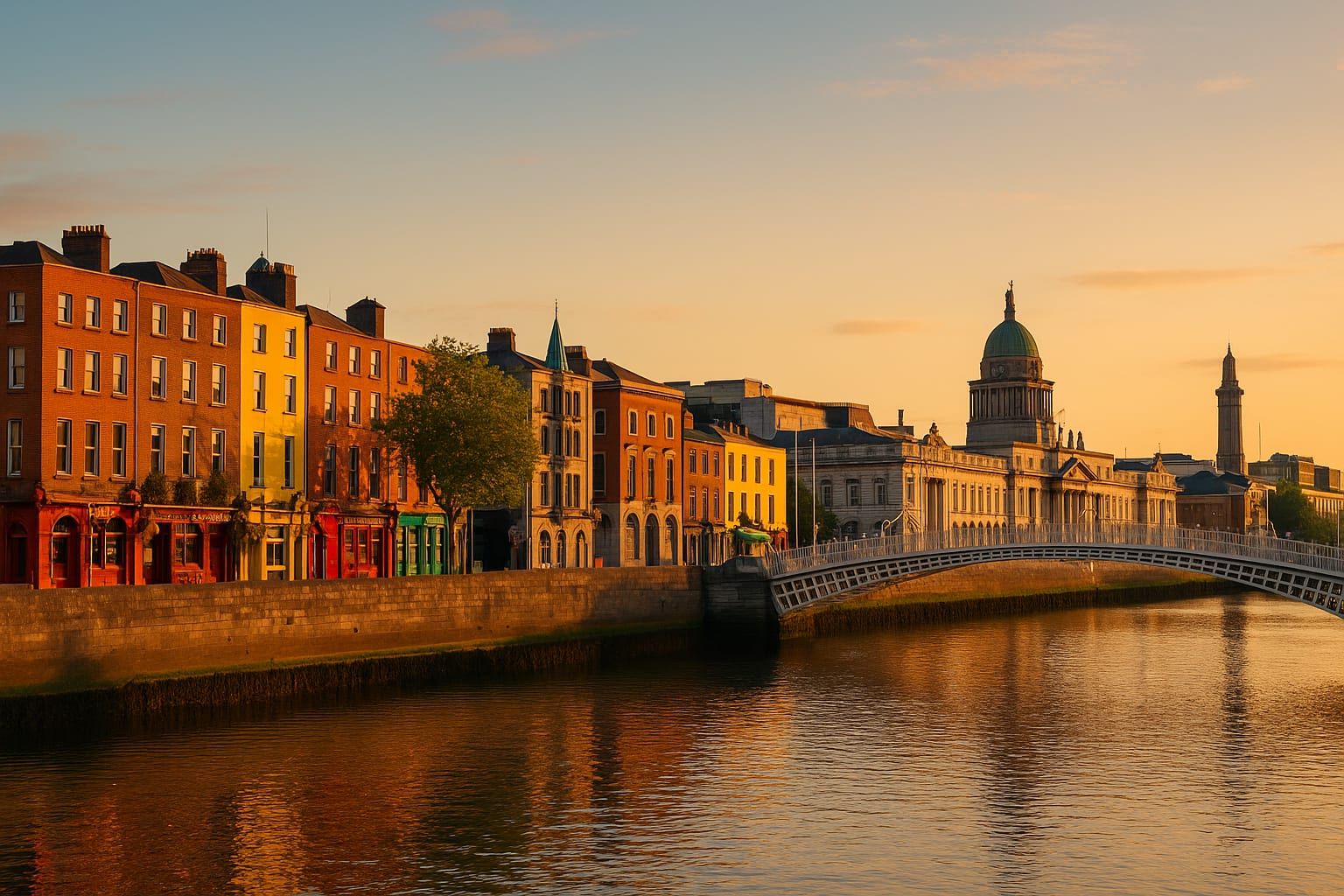
48 Hours in Dublin: Pubs, Literature & Georgian Beauty
Two days in Dublin: explore literary landmarks, lively pubs, and elegant Georgian squares. A relaxed, walkable 48-hour plan with local tips, transport notes and where to eat.
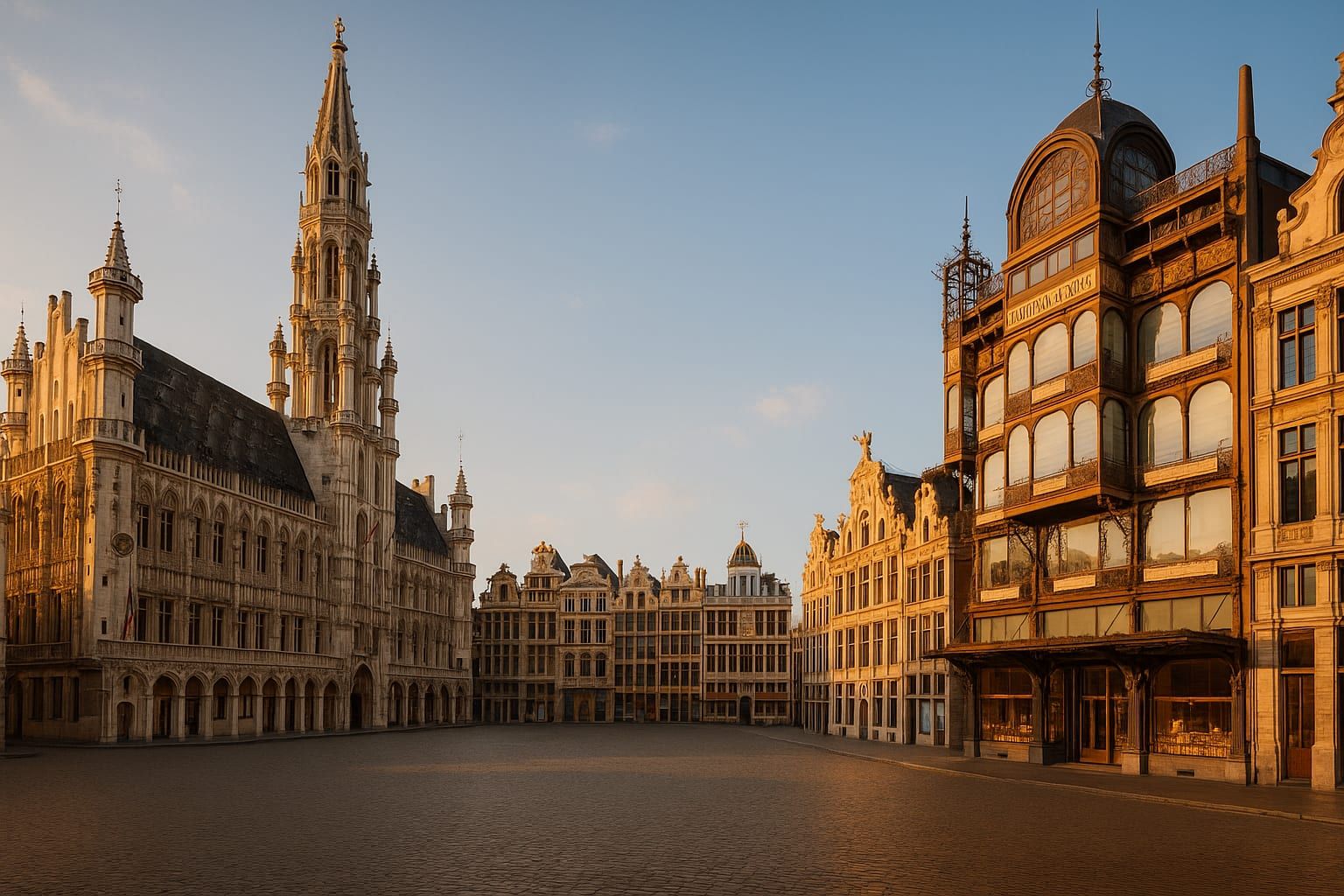
48 Hours in Brussels: Chocolate, Beer & Art Nouveau
Two days in Brussels: sample world-class chocolate, sip iconic Belgian beers and follow an Art Nouveau trail through elegant neighborhoods. A practical, walkable 48-hour plan.
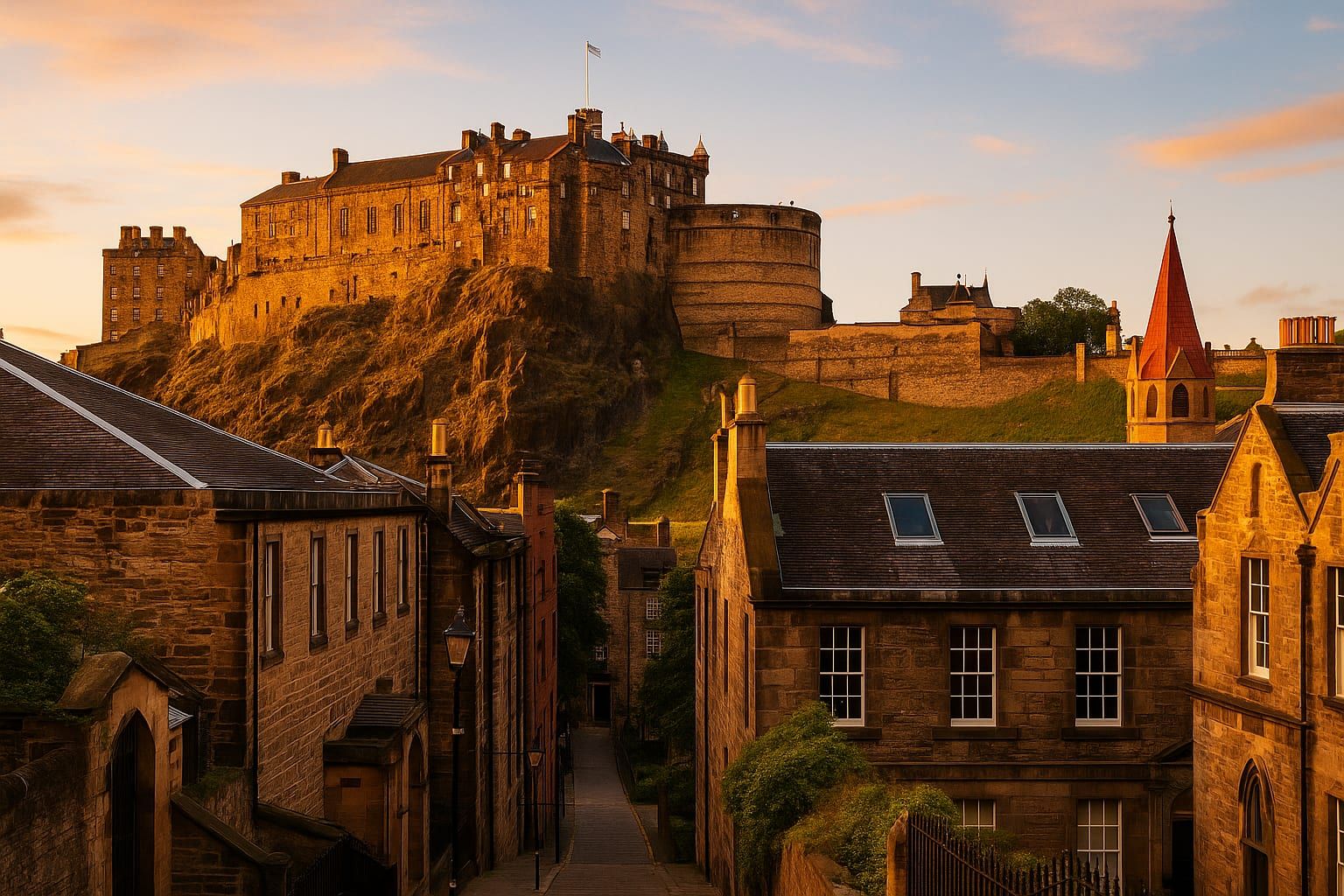
3 Days in Edinburgh: Castle, Closes & Whisky
A practical, three-day Edinburgh itinerary that balances the castle and Royal Mile with hidden closes, whisky tastings and local tips for an unforgettable city break.