
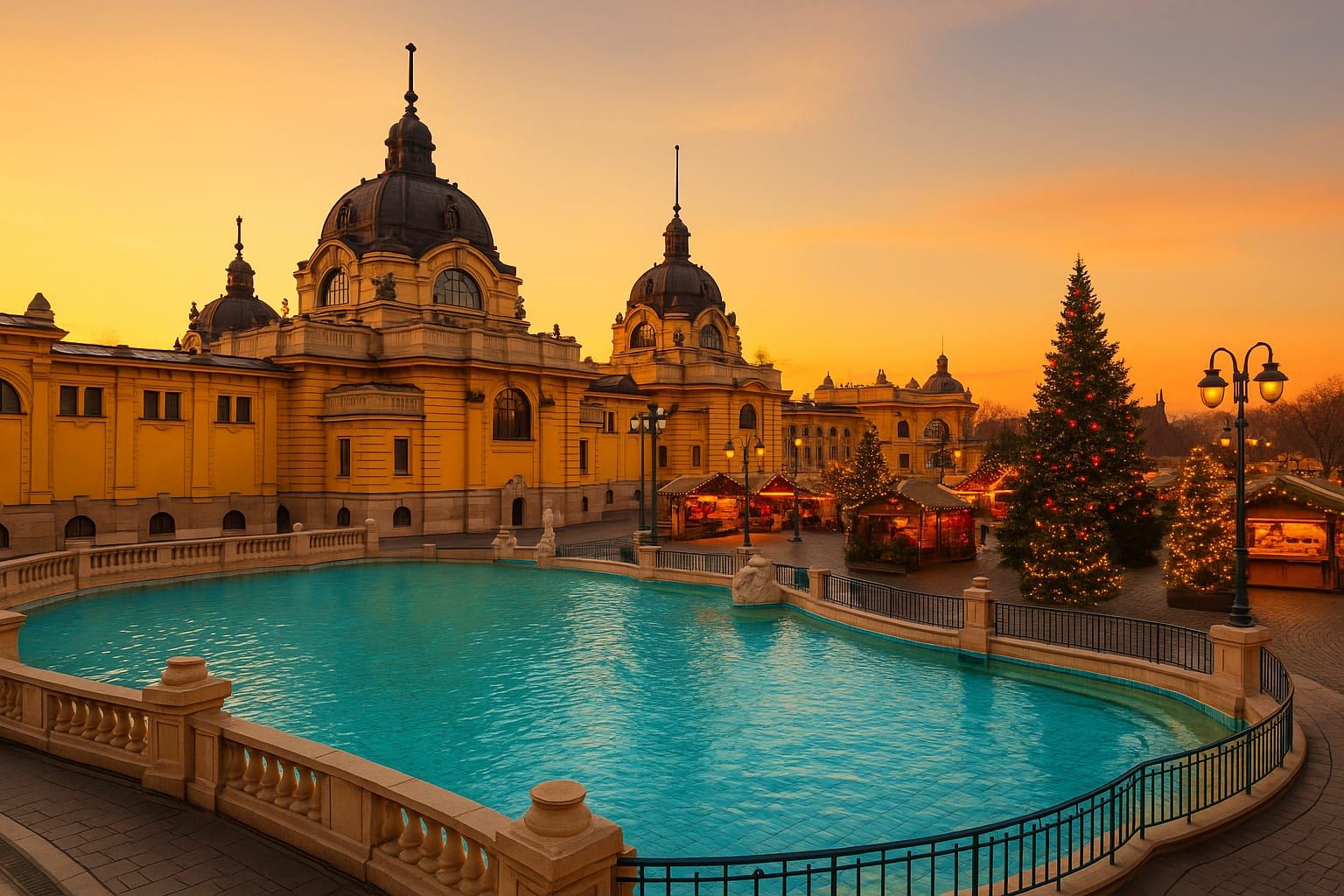
Budapest Christmas: Thermal Baths & Markets
Soak in steaming thermal baths, wander glittering Christmas markets and taste chimney cake and mulled wine — Budapest in December blends soothing spa culture with festive cheer.
Why Budapest Feels Magical at Christmas
Few European cities wrap winter in such a warm embrace as Budapest. Come December, the city layers baroque and Art Nouveau architecture with strings of lights, while steam rises from centuries-old thermal baths across a frosty skyline. The result is a holiday experience that balances cozy local traditions — mulled wine, chimney cake and lively markets — with restorative spa culture inherited from Roman, Ottoman and Hungarian bathing practices.
This guide shows you how to pair thermal baths with market-hopping, where to go, what to eat and how to time your days for the most atmospheric winter memories.
The Perfect Pairing: Baths and Markets
Budapest’s thermal baths and Christmas markets are natural partners. After wandering stalls selling handcrafted gifts and warming up with forralt bor (mulled wine), slipping into a thermal pool is the most restorative follow-up. The contrast of cold air and hot water is a ritual in itself: take your time, alternate swims with steam-room sessions and finish with a calming cup of tea.
Why the combination works
- Heat resets chilled fingers and toes, making evening market strolls comfortable again.
- Baths are social places where locals gather in winter — you’ll feel like part of the city’s rhythm.
- Many market areas are close to bath neighborhoods, so logistics are simple.
Must-Visit Thermal Baths (and when to go)
Széchenyi Thermal Bath (City Park)
The largest medicinal bath in Europe, Széchenyi is iconic for its outdoor pools steaming in winter. It’s theatrical — imagine hot water, snowfall and people playing chess in the shallows. Go early morning for quieter pools or after dark to enjoy the golden-lit façades.
Tips: Bring flip-flops and a towel (some packages include towel/robe). If you want locker space, arrive early — Széchenyi can be busy, especially weekends and holidays.
Gellért Baths (Gellért Hill)
An Art Nouveau masterpiece inside the Gellért Hotel, these baths combine ornate mosaic tiles with indoor thermal pools. A romantic option after an evening at the Basilica market.
Tips: The wave of visitors is more consistent indoors; book a massage or spa treatment to avoid peak bath crowds.
Rudas Baths (Buda side)
Dating back to Ottoman times, Rudas features a historic octagonal pool and a rooftop panorama pool with sweeping views of the Danube and the city — spectacular at sunset.
Tips: Rudas has gender-segregated times in some pools; check timetables and rooftop opening hours before you go.
Király Baths (hidden gem)
A smaller Ottoman-era bath with a charming, intimate atmosphere. It’s less touristy and perfect for those who prefer a quieter soak.
Practical note: Most baths accept cards but it’s useful to have some cash for lockers, drinks or small purchases.
Best Christmas Markets and What to Eat There
Vörösmarty Square Market (the classic)
This central market near Deák Ferenc Square features wooden stalls with artisanal gifts, Hungarian handicrafts and loads of food options. Don’t miss kürtőskalács (chimney cake) fresh off the spit.
St. Stephen’s Basilica Advent (the showstopper)
The light projection on the Basilica façade is a highlight. The market beneath offers high-quality craft goods and a great spot for evening light shows and classical music events.
Erzsébet Square and Street Food Markets
A good choice for contemporary street-food stalls and a younger crowd. Expect creative takes on traditional dishes and fusion snacks.
Óbuda and Neighborhood Markets
If you want fewer crowds and a more local feel, the Óbuda Christmas market and smaller neighborhood markets are ideal.
Food to try
- Kürtőskalács (chimney cake): sweet, crispy, often coated in cinnamon or chocolate.
- Lángos: fried dough topped with sour cream, cheese or garlic — a hearty winter snack.
- Forralt bor (mulled wine) and tea: essentials for warming up between stalls.
- Goulash in a bread bowl: a comforting, filling option from many market vendors.
- Roasted chestnuts and sausages: classic winter eats along market aisles.
A Sample 3-Day Itinerary (Baths + Markets)
Day 1 — Arrival & Evening Markets
- Arrive and settle into your accommodation.
- Evening: Head to Vörösmarty Square for your first market experience. Try chimney cake and mulled wine. If you’re hungry for a proper meal, explore nearby restaurants (see our Budapest food guide for local favorites: /en/local-culture/budapest-food-guide-europe-authentic-food-city).
Day 2 — Baths and City Park
- Morning: Széchenyi Bath for a long soak and a relaxing thermal ritual.
- Afternoon: Walk through City Park, visit Heroes’ Square and lace up for the historic City Park Ice Rink if you want to skate.
- Evening: St. Stephen’s Basilica Advent market for the light show and a live performance.
Day 3 — Buda Baths & Market Hopping
- Morning: Rudas Baths rooftop for sunrise or late-afternoon city views.
- Afternoon: Stroll the markets along the Danube or explore smaller neighborhood markets.
- Night: Finish with a nightcap in a cozy ruin bar or a quiet wine bar.
If you’re short on time, combine baths and markets on a single day: morning bath, afternoon market, and a thermal soak in the evening.
For a broader short-break plan, see our compact itinerary: /en/itineraries/3-days-budapest-baths-ruin-bars-beyond
Practical Tips & Local Insights
Timing and crowds
- Markets: Most open from late November through early January. Weekends and evenings are busiest; mornings offer quieter browsing.
- Baths: Weekday mornings are least crowded. Baths stay busy on cold weekends because locals and tourists flock to warm up.
What to pack
- Swimwear and flip-flops: Essential for baths. A travel towel or quick-dry towel is handy. Some baths rent towels but it’s cheaper to bring your own.
- Warm layers: Budapest’s winter can be damp and chilly. Pack a warm coat, hat, scarves and gloves for market walks between warm-ups.
- Waterproof shoes: Snow or slush are possible; comfortable walking boots help.
Money and payments
- Cards are widely accepted at markets and baths, but small stalls may prefer cash. Keep small bills and coins for market snacks and tips.
- ATMs are plentiful; use bank ATMs rather than private ones to avoid high fees.
Bath etiquette
- Shower before entering pools — it’s required.
- Most thermal pools don’t mandate swim caps, but lap pools and some covered pools may require them. Follow posted signs.
- Nudity is not part of general pools; swimwear is required. In some traditional settings there may be gender-segregated times or special rules — check in advance.
Language and local customs
- Hungarian is the official language; basic phrases like köszönöm (thank you) and jó napot (good day) are appreciated.
- Tipping: Around 10% in restaurants; small change for market food vendors is polite.
Safety and health
- The baths are generally safe, but always watch your belongings; use the lockers provided.
- If you have heart conditions or high blood pressure, consult a doctor before frequent hot-cold cycles.
Family travel
- Baths are family-friendly. Széchenyi has child-friendly pools and shallow areas; bring swimsuits and swim diapers if needed.
- Markets often have family activities and live performances during the Advent season.
Sustainable travel tips
- Bring a reusable cup for mulled wine where vendors allow it, or look for stalls using recyclable cups.
- Choose locally made crafts to support artisans rather than imported souvenirs.
Nighttime and Festive Extras
Evenings in Budapest during the holiday season are cinematic. The Basilica and Chain Bridge light up, and the reflection of lights on the Danube is unforgettable. If you want something extra:
- Book a classical concert in a church or historic venue — Advent programming is plentiful.
- Try a night swim at Széchenyi when the pool is lit and the city glows — it’s a uniquely Budapest moment.
Local events and traditions
- Advent concerts and Nativity scenes appear throughout December.
- St. Nicholas Day (Dec 6) and other local customs bring special treats for children.
Final Advice: Slow Down and Savor
Budapest in December is not a race; it rewards a slow approach. Let markets set the pace — taste, chat with vendors and pick a bench to watch the lights. Then let the baths restore you: linger in the steam rooms, close your eyes in thermal warmth and listen to the muffled sounds of the city. Together they form one of Europe’s most satisfying winter experiences: fizzy, warming, and deeply local.
For more ideas on winter markets across the continent, and how Budapest’s fairs compare, check our roundup of top European markets: /en/seasonal-travel/best-christmas-markets-europe-complete-guide
Enjoy your trip, and don’t forget to balance indulgence with local respect — these baths and markets are loved by residents as much as visitors. Happy travels and jó utat (safe journey)!
Related

Keep Exploring
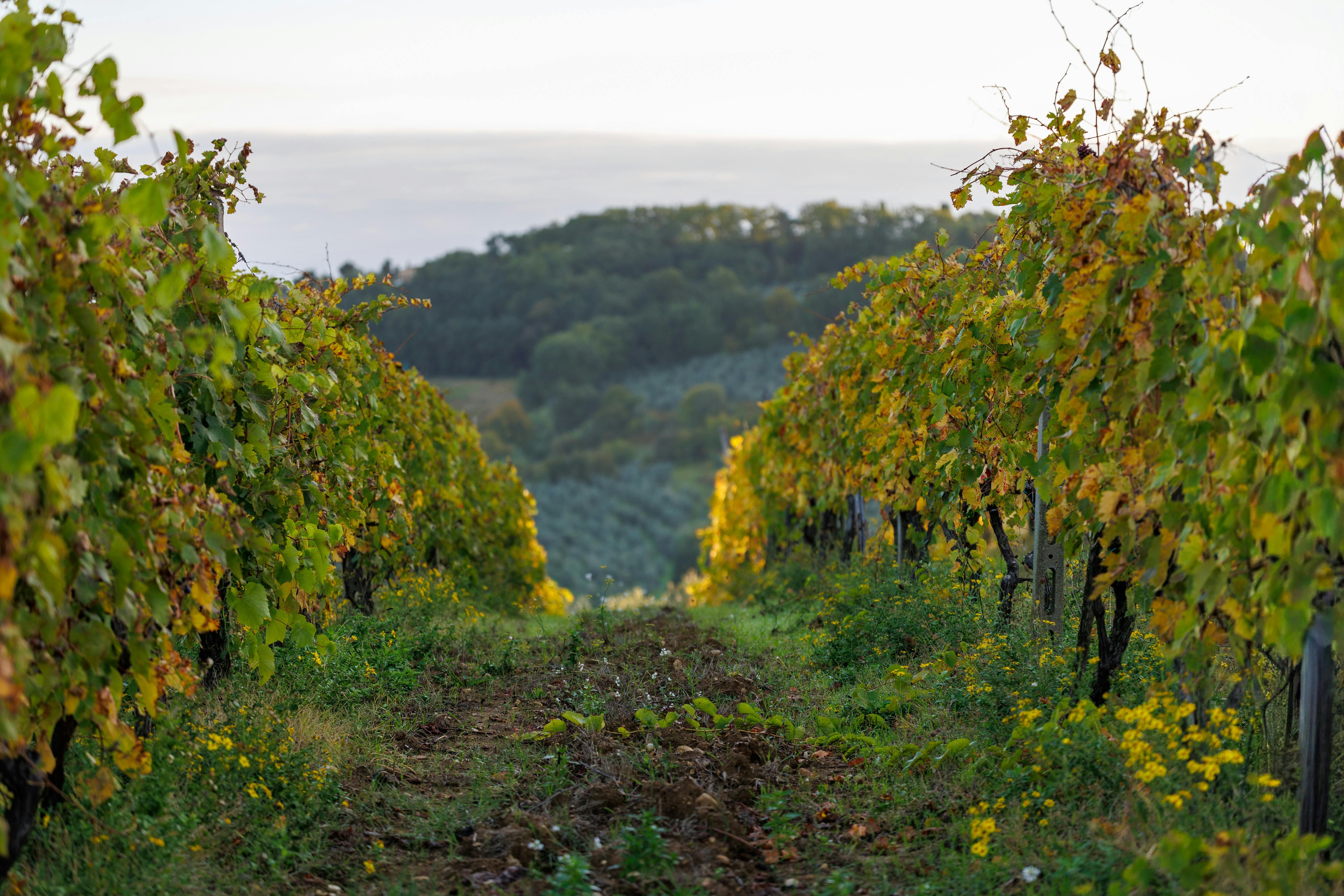
Autumn in Europe: Harvest, Foliage, Truffles
Plan European autumn around three peaks: vindima mid-September to mid-October, foliage mid-October to mid-November, and white-truffle markets in Alba. EUR prices, named regions, exact weeks.
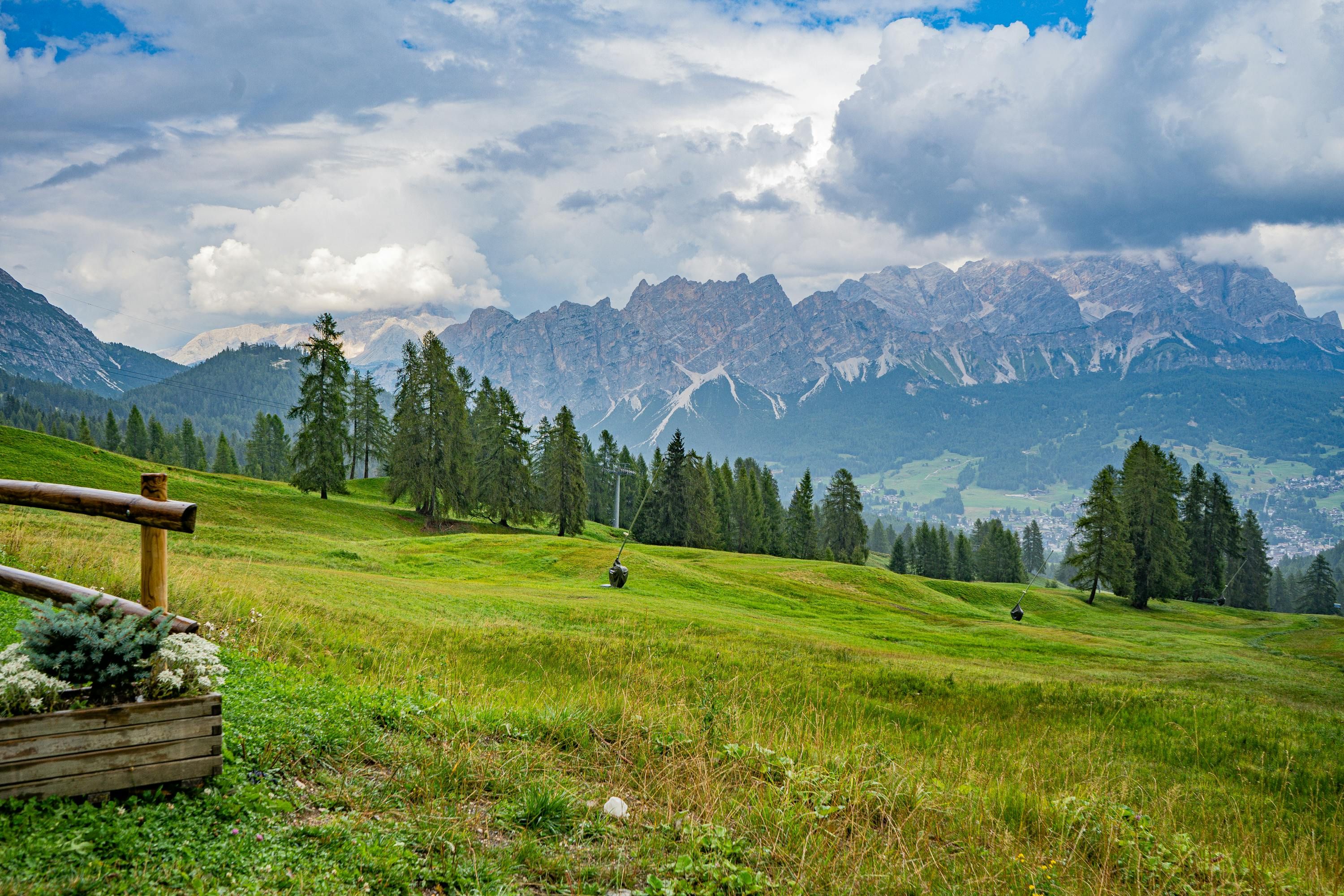
Summer in Europe: Where to Go to Beat the Crowds
Skip the Mediterranean meltdown. Twelve Northern, Atlantic, Alpine and Eastern European summer alternatives with fares, EUR budgets and named operators.
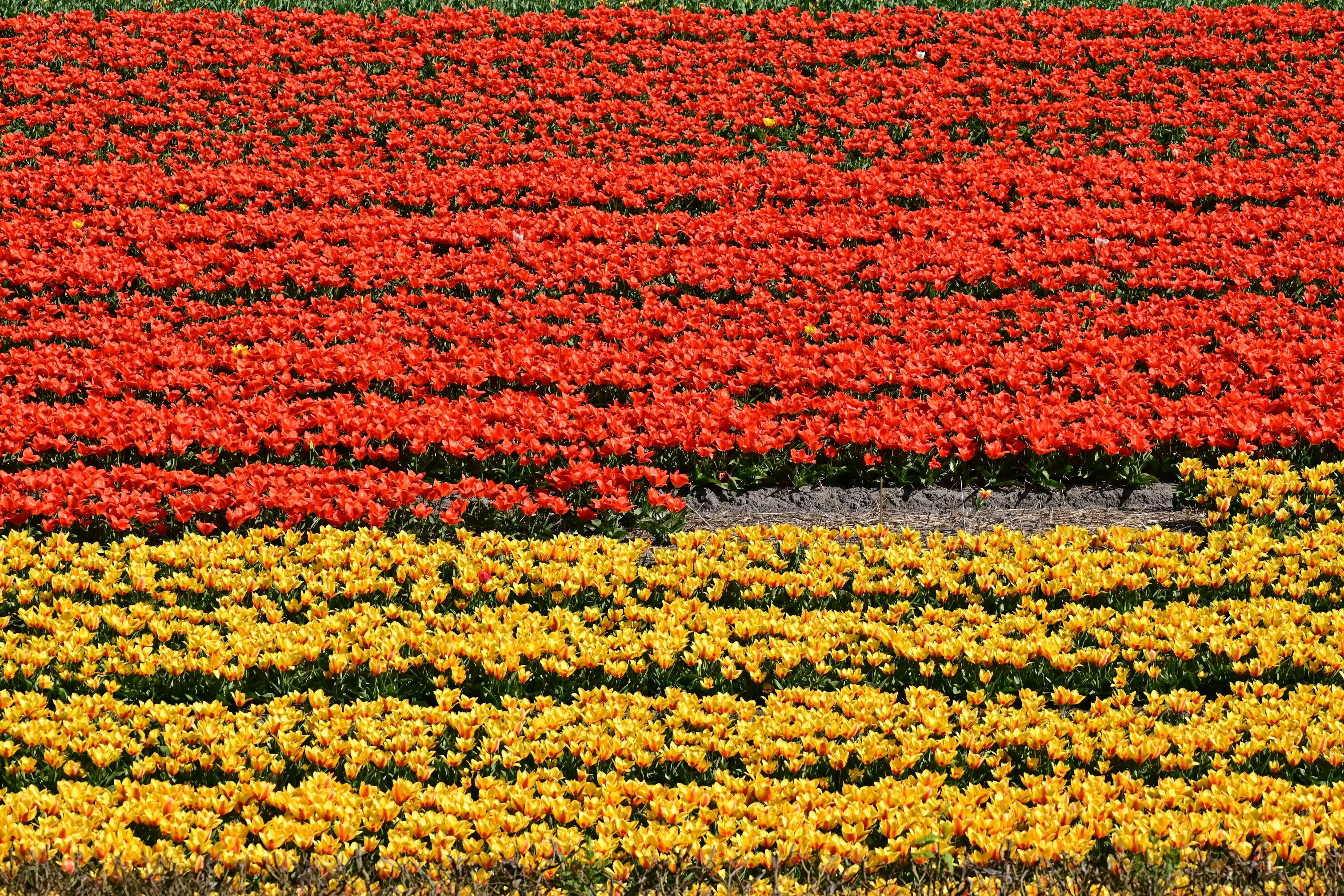
Best European Cities to Visit in Spring
Twelve European cities at their seasonal peak between March and May 2027: Keukenhof tulips, Seville's Feria, Paris cherry blossoms, Roman wisteria and more, with EUR budgets and bloom calendars.