
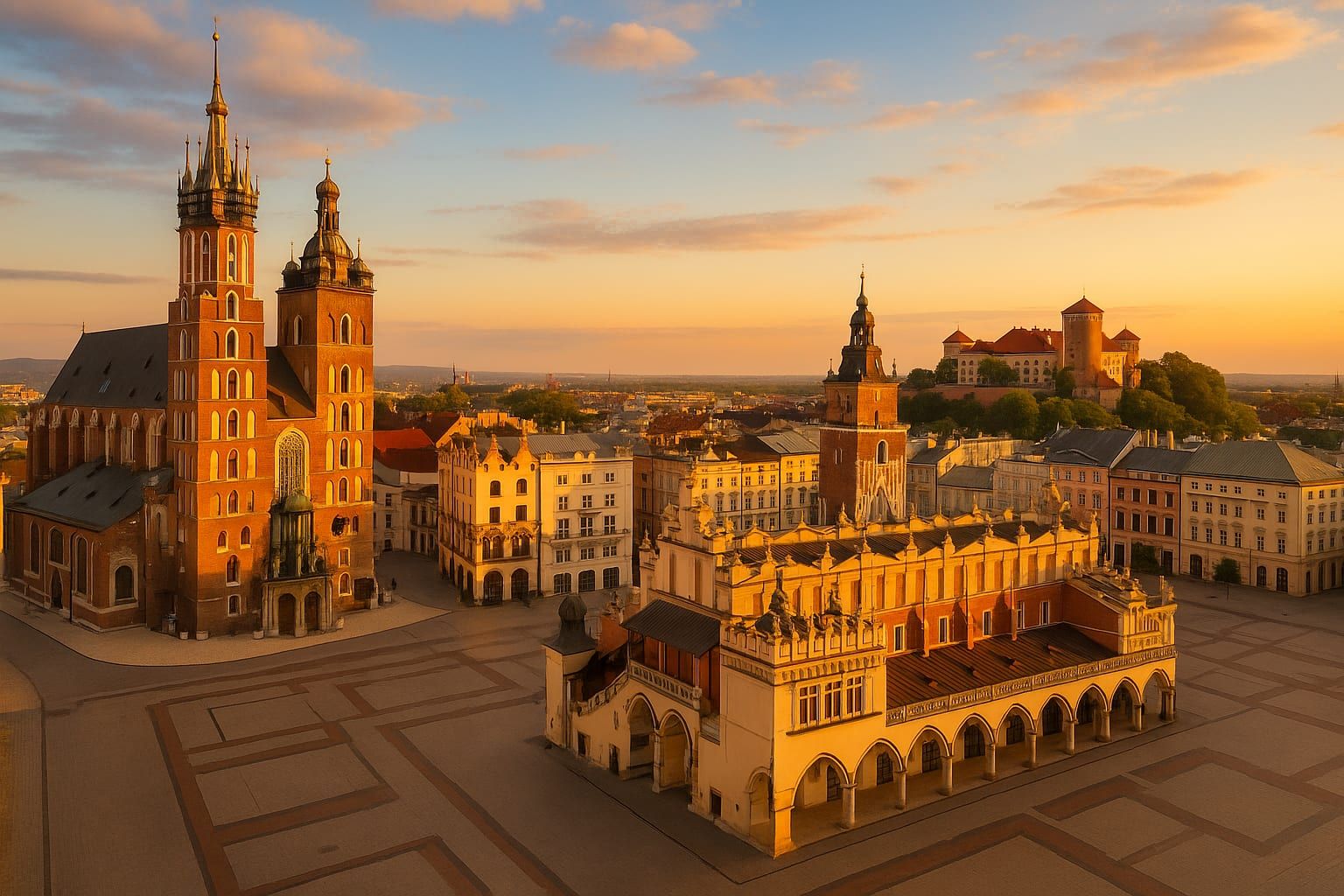
A rich, walkable 3-day Kraków itinerary covering the Old Town, Wawel, Kazimierz, museums, Wieliczka or Auschwitz day trips, plus practical tips and local insights.
3 Days in Kraków: Poland's Cultural Heart
Kraków is one of Europe’s most atmospheric cities: compact, richly historic, and alive with cafés, galleries and resilient Polish soul. In three days you can taste the city’s medieval core, explore its Jewish heritage, visit world-class museums, and take an unforgettable day trip. This guide gives a day-by-day itinerary, local insights, and practical tips to make the most of your stay.
Quick snapshot: Why visit Kraków?
- Compact, walkable Old Town (Rynek Główny) framed by medieval streets.
- World-class landmarks: Wawel Castle, St. Mary’s Basilica, historic Kazimierz.
- Deep, layered history — from royal courts to Jewish life and 20th-century struggle.
- Easy base for day trips: Wieliczka Salt Mine and Auschwitz-Birkenau.
Practical tips before you go
- Currency: Polish złoty (PLN). Cards are widely accepted but keep some cash for markets and small cafés.
- Getting there: John Paul II Kraków–Balice (KRK) airport has fast trains and shuttle buses to the center (25–30 minutes).
- Transport in the city: Kraków is extremely walkable. Single tram/bus tickets are valid for limited time; buy from machines or via mobile apps. Consider a 72-hour public transport pass if you plan to use trams often.
- Language: Polish is the official language; English is commonly spoken in tourist areas. Learn a couple of basics: Dzień dobry (hello), Dziękuję (thank you).
- Safety: Kraków is generally safe — watch for pickpockets in crowded spots. Respect Holocaust memorial sites and museums with solemnity.
- When to visit: Spring and early autumn are ideal — fewer crowds than summer. Winter is magical with Christmas markets but cold.
Day 1 — Old Town: Classics and first impressions
Morning
- Start at Rynek Główny (Main Market Square), Europe’s largest medieval market square. Spend time at the Cloth Hall (Sukiennice) for handicrafts and souvenirs.
- Visit St. Mary’s Basilica: listen for the hejnał (trumpet call) played from the tower every hour.
- Coffee break: stop at a café on the square — try a creamy kogel-mogel or a Polish-style espresso.
Afternoon
- Walk to Wawel Hill. Tour the Wawel Cathedral and the State Rooms in Wawel Castle — the architecture and royal treasures tell Poland’s story.
- Lunch nearby: seek out a milk bar (bar mleczny) for budget-friendly traditional dishes like pierogi, żurek or kotlet schabowy.
Evening
- Back to the Old Town for dinner. The square is lively at night with street musicians and open-air terraces.
- If you have energy, join a Kraków ghost walk or a local folklore concert for an entertaining first night.
Local insight: The Rynek is busiest midday — arrive early to enjoy the square with fewer people and softer light for photos.
Day 2 — Kazimierz, Schindler, and museums
Morning — Kazimierz
- Head to Kazimierz, Kraków’s historic Jewish Quarter. Start at Plac Nowy and try a zapiekanka (Polish open-faced baguette) at the weekend market.
- Explore synagogues such as Remuh and the Old Synagogue, and the Galicia Jewish Museum for contextual exhibitions on Jewish life.
Afternoon — Schindler and MOCAK
- Walk or tram to the Oskar Schindler’s Enamel Factory (Museum of Kraków) to learn about wartime Kraków and civilian life under occupation. Book tickets in advance — timed entries fill up fast.
- If contemporary art interests you, visit MOCAK (Museum of Contemporary Art) nearby for rotating exhibitions.
Evening — Kazimierz after dark
- Kazimierz springs to life at night: bars, intimate restaurants and live music. For an authentic experience, look for restaurants that serve modern takes on Polish classics and smaller craft breweries.
Local insight: Kazimierz is best explored on foot. Small alleys open into courtyards with hidden cafés and artist studios — leave space for serendipitous wandering.
Day 3 — Day trip options: Wieliczka Salt Mine or Auschwitz, or dig deeper into Kraków
Option A: Wieliczka Salt Mine (recommended for families and those who prefer a lighter day)
- Wieliczka is a UNESCO World Heritage site 30 minutes from Kraków. The underground chapels, salt carvings and chambers are extraordinary.
- Book guided tours in advance and allow 3–4 hours (including travel).
Option B: Auschwitz-Birkenau (profound and solemn)
- The Auschwitz-Birkenau Memorial and Museum is 1–1.5 hours away. Visiting is emotionally intense; allow a full day and go with a licensed guide.
- Respectful behavior is required. Book official guided tours well ahead — many choose early morning slots for quieter reflection.
Option C: Stay in Kraków — Nowa Huta or more museums
- For offbeat, take a guided Nowa Huta tour to see socialist realist architecture and a different side of Kraków's history.
- Alternatively, visit the National Museum, the Czartoryski Museum (check current exhibit status), or spend a relaxed afternoon along the Vistula Boulevards.
Local insight: Choosing between Wieliczka and Auschwitz depends on what you want from the day: awe and wonder (salt mine) or a deep, reflective historical experience (Auschwitz). Both require advance planning.
Food, drink and where locals go
- Must-tries: pierogi (dumplings, many fillings), obwarzanek (Kraków bagel sold by street vendors), kiełbasa (sausage), and Polish soups like barszcz (beetroot) and żurek.
- Milk bars: for authentic, inexpensive Polish home cooking, visit an institutional "bar mleczny"—great value and local character.
- Coffee & cake: Kraków has a thriving specialty coffee scene. Try a local roaster’s café for a mid-afternoon pause.
- Nightlife: Kazimierz and the Old Town have something for everyone — wine bars, craft beer pubs, and lively clubs near the Main Square.
Local insight: Kraków’s culinary scene blends tradition and modernity. For a special treat, book a table at a restaurant offering modern Polish tasting menus, ideally with local ingredients like wild mushrooms (in season) and freshwater fish.
Museums, galleries and cultural extras
- Schindler’s Factory (historical museum) — essential for understanding WWII-era Kraków.
- Galicia Jewish Museum — moving contemporary and historical exhibits about Jewish culture.
- MOCAK and National Museum — for modern and classical art.
- Czartoryski Museum — houses important works of art; check opening hours and ticketing.
Tip: Many museums offer combined tickets or discounted city passes during the tourist season. If you plan multiple paid entries, compare the price of individual tickets vs. a Kraków tourist card.
Practical daily plan and timing tips
- Start early: popular sites (Wawel, St. Mary’s Tower, Schindler’s Museum) are quietest first thing.
- Lunch: aim for 12:00–14:00; dinner commonly starts after 18:00.
- Walking distances: Old Town to Kazimierz is 15–25 minutes on foot; Wawel is a short walk from the square.
- Booking: guided tours (Auschwitz, Wieliczka, Schindler) and some museum timed entries sell out, especially in summer. Reserve ahead.
Accessibility and family travel
- Much of Kraków’s historic center is pedestrianized but cobblestones can be uneven — bring comfortable footwear and consider a stroller-friendly route.
- Museums usually offer reduced rates for students and families; many have English-language audio guides.
Responsible travel and cultural sensitivity
- When visiting Holocaust-related sites, dress and behave respectfully. Silence and reflection are appropriate in memorial zones.
- Support local businesses: buy souvenirs from Kraków artisans, eat in neighborhood cafés, and tip when service is good (10–15% common in restaurants).
Where to stay: neighborhoods that make sense
- Old Town: best for first-time visitors who want to be in the heart of the action.
- Kazimierz: ideal for nightlife, cafés, and a bohemian vibe.
- Podgórze: quieter, with good access to Schindler’s Factory and the river.
Local insight: Staying just outside the Old Town can be less expensive and more peaceful while still keeping you within walking distance of major sights.
Suggested packing list
- Comfortable walking shoes (cobblestones everywhere).
- Weather layers: Kraków weather can change quickly.
- Universal adapter and portable charger.
- Copies of important documents and advance tickets saved on your phone.
Extend your trip: nearby ideas
- Visit Warsaw or Wrocław for more Polish urban culture.
- For neighboring capitals and short hops, consider the well-placed Bratislava or Prague itineraries for multi-city trips: see our 3-day Prague guide (/en/itineraries/3-days-prague-perfect-czech-capital-itinerary) or plan a weekend in nearby Bratislava (/en/itineraries/weekend-bratislava-slovakia-underrated-capital).
- For a broader list of lesser-known European cities worth visiting, check our roundup of hidden gems (/en/hidden-gems/5-underrated-european-cities-visit-before-mainstream).
Final thoughts
Kraków rewards slow exploration: sit in a café, listen for the trumpet from St. Mary’s, and let the layered history settle in. Three days gives you a fulfilling balance of highlights, local flavor, and time for reflection. Whether you come for the castles, the culture, the food, or the nearby World Heritage sites, Kraków is a city that lingers long after you leave.
Safe travels — and remember to leave a little extra room in your suitcase for a bag of obwarzanki and a few handmade souvenirs.
Related
Keep Exploring
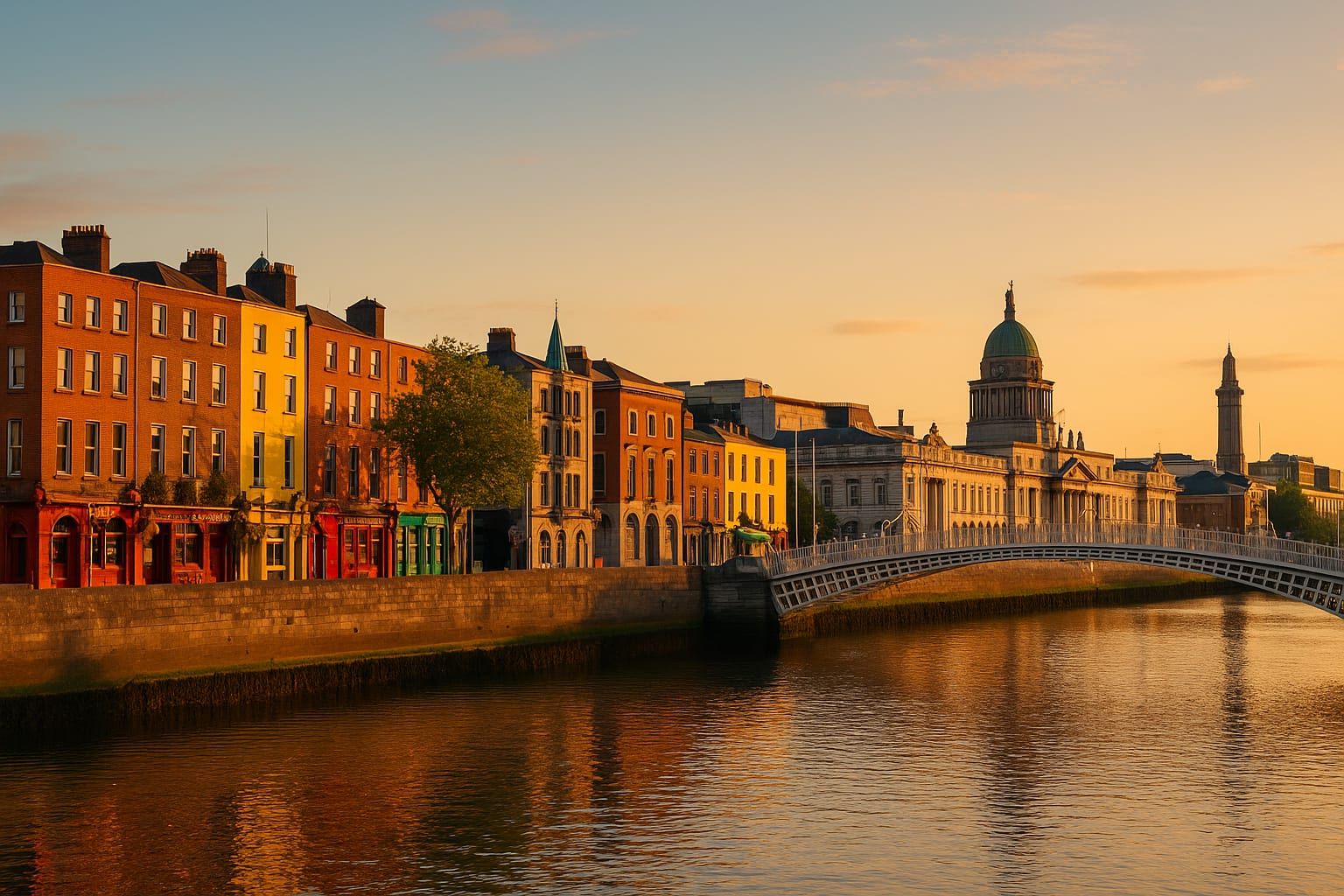
48 Hours in Dublin: Pubs, Literature & Georgian Beauty
Two days in Dublin: explore literary landmarks, lively pubs, and elegant Georgian squares. A relaxed, walkable 48-hour plan with local tips, transport notes and where to eat.
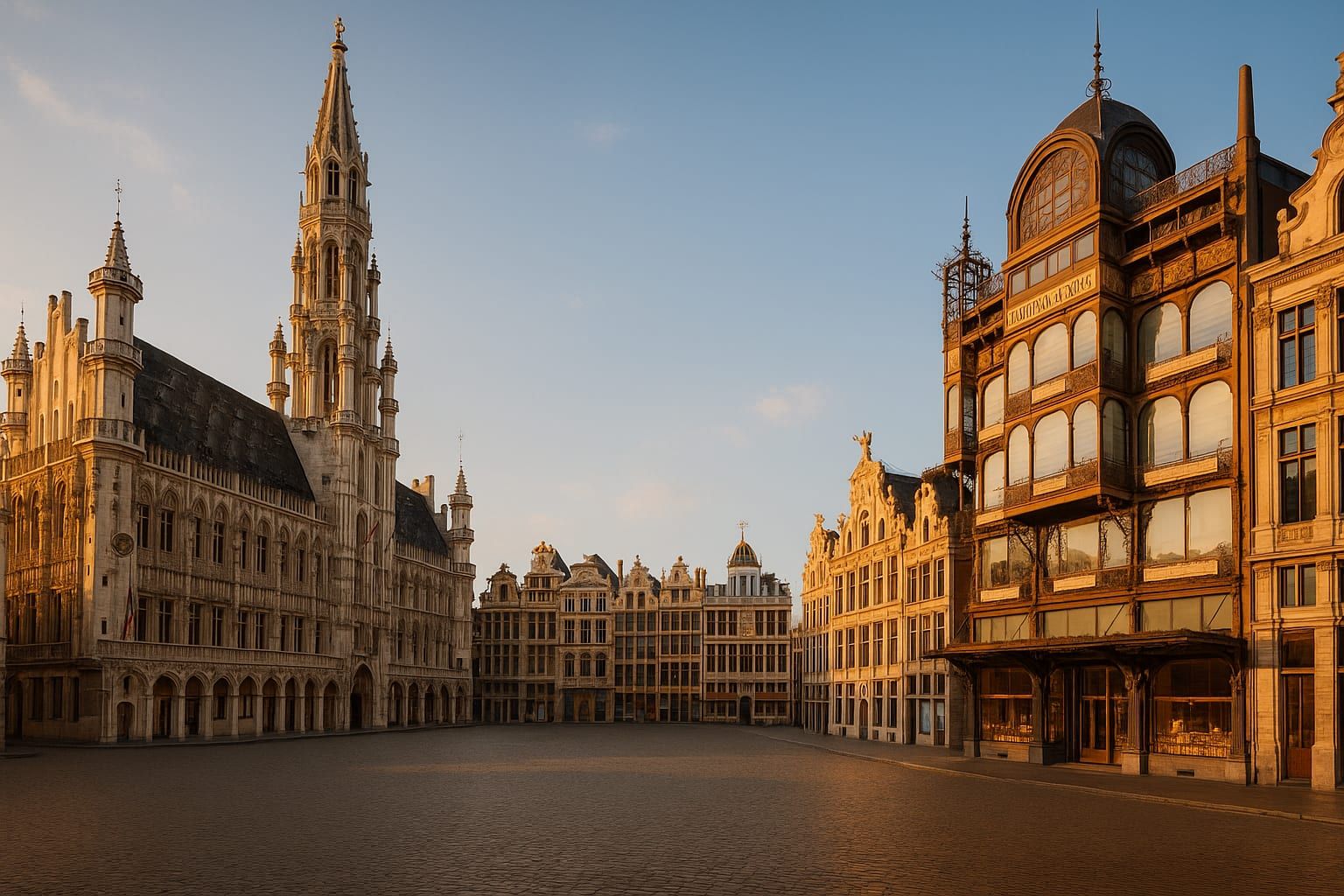
48 Hours in Brussels: Chocolate, Beer & Art Nouveau
Two days in Brussels: sample world-class chocolate, sip iconic Belgian beers and follow an Art Nouveau trail through elegant neighborhoods. A practical, walkable 48-hour plan.
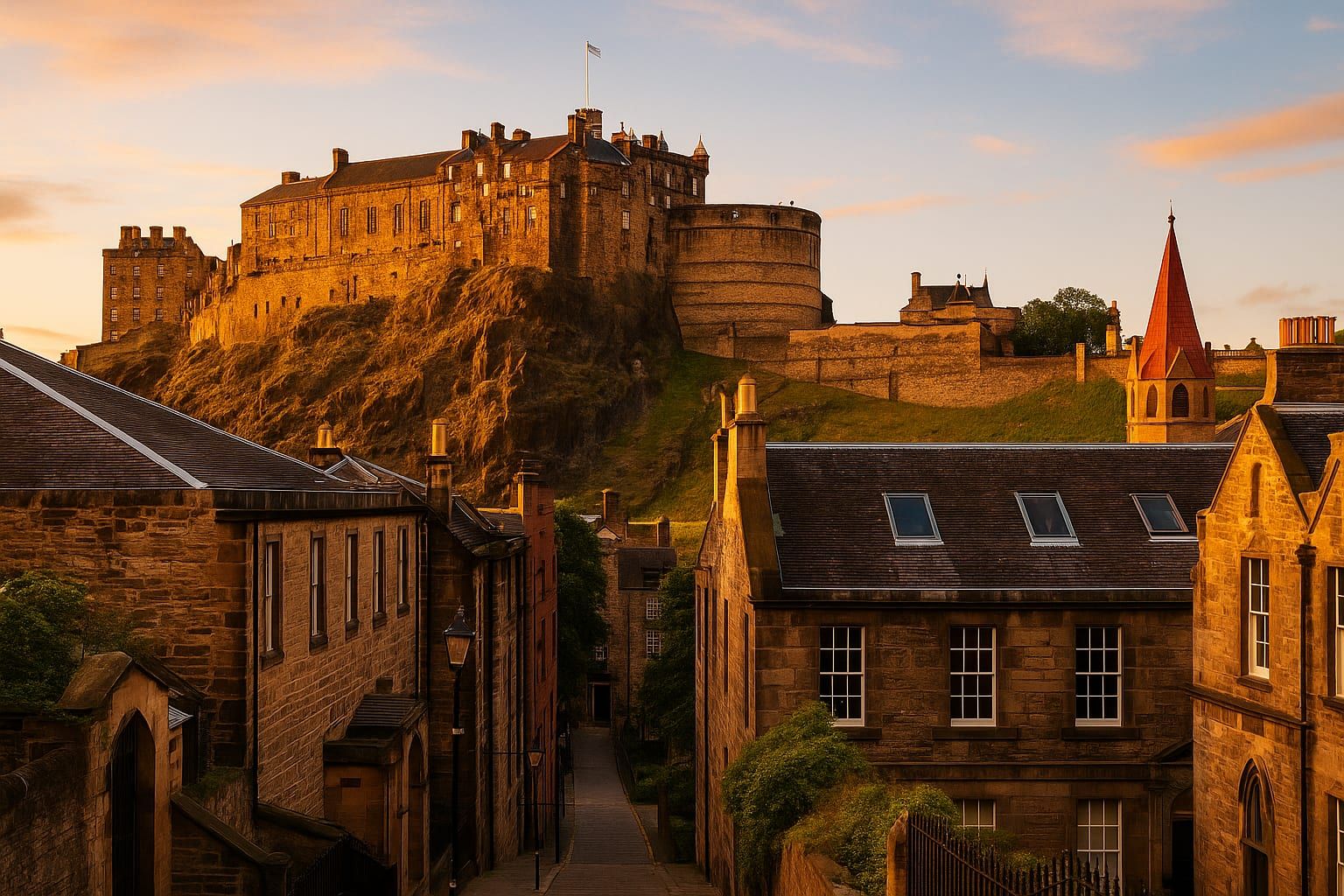
3 Days in Edinburgh: Castle, Closes & Whisky
A practical, three-day Edinburgh itinerary that balances the castle and Royal Mile with hidden closes, whisky tastings and local tips for an unforgettable city break.