
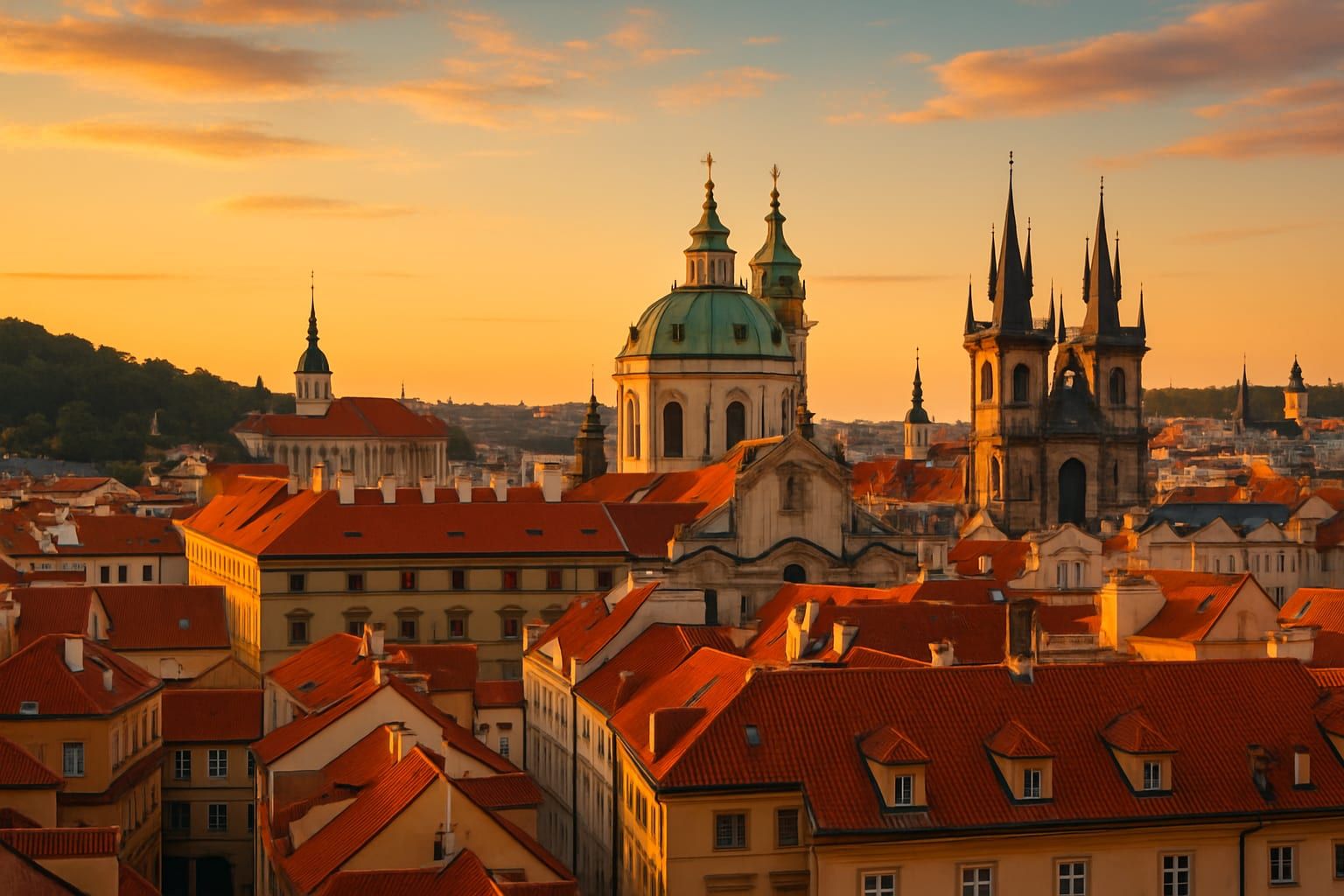
A practical, local-flavoured weekend guide to Porto — from port tastings and azulejos to the best viewpoints, neighbourhoods to stay in and a 48-hour itinerary.
Porto: Weekend Guide for First-Timers
Porto is Portugal’s compact, characterful city of steep streets, blue-and-white azulejos, and riverside cafés. Two days here are enough to fall in love — to taste tawny ports in Gaia, chase photos of the Ribeira, and eat your way through hearty northern Portuguese cuisine. This guide gives you a practical 48-hour itinerary, local tips, and ideas for making the most of a short stay.
Why Porto in a weekend?
- Small, walkable historic centre with big personality.
- Incredible food scene (from traditional taverns to inventive contemporary kitchens).
- World-class port wine experiences on the south bank of the Douro.
- Great base for a day trip into the Douro Valley.
If you want a more in-depth read on food and wine, don’t miss our in-depth Porto Food Guide: The Soul of Portuguese Cuisine and the full Porto Weekend Guide: Wine, Views & Local Tips for extra inspiration. For a scenic day beyond the city, consider a trip to the Douro Valley: Port Wine & Stunning Terraces.
Quick practicals
- Currency: Euro. Card widely accepted; carry small cash for markets and tiny cafés.
- Language: Portuguese; most people in tourism speak English. Learn a few phrases (Obrigado/Obrigada, por favor).
- Arrival: Francisco Sá Carneiro Airport (OPO) — Metro line E (purple) connects to the city centre (Trindade / São Bento). Taxis and rideshares readily available.
- Local transport: Porto is compact and hilly. Use the Metro, buses, funicular (Guindais), or walk. Buy an Andante card for multiple journeys.
- Safety: Generally safe; watch for pickpockets around crowded viewpoints, markets and on trams.
- Best time to visit: Spring and early autumn for mild weather and fewer crowds. Winter is quieter and still atmospheric.
- Emergency number: 112 (EU-wide).
Where to stay (neighbourhoods)
- Ribeira (Ribeira/Old Town): For postcard views, riverside cafés and nightlife. Expect cobbles and steep streets.
- Baixa / Aliados: Central, close to São Bento station and shops — convenient for first-timers.
- Cedofeita / Miguel Bombarda: Creative, quieter, good cafés and galleries.
- Foz do Douro: If you prefer beaches and calmer evenings — further out, best if you have more than a weekend.
Tip: If stairs are a problem, choose a hotel near Baixa or Bolhão (closer to flat routes and public transport).
48-hour sample itinerary
Day 1 — Classic Porto
Morning
- Start at São Bento station to admire the famous azulejo panels that depict Portuguese history.
- Walk up to the Clérigos Tower (Torre dos Clérigos). Climb for sweeping city views — best first thing to avoid queues.
- Meander through Rua das Flores toward the bustling Bolhão Market to sample cheeses, pastries and fresh produce.
Lunch
- Eat at a nearby tasca or try a francesinha (Porto’s hearty sandwich) if you're hungry. Ask locals where to go — sometimes the best are tiny corner cafés.
Afternoon
- Head down to the Ribeira waterfront. Cross the Dom Luís I Bridge on the upper level for spectacular panoramas over the Douro.
- On the south bank in Vila Nova de Gaia, visit a port cellar for a tasting and a short tour (book ahead for the popular houses).
Sunset
- Walk up to Jardim do Morro or Serra do Pilar for golden-hour views across the river — a local favourite for evening drinks.
Evening
- Dine in the Ribeira or near Praça de Ribeira. Try small plates, grilled fish, or a set course of regional dishes.
Day 2 — Culture, Coffee & Hidden Corners
Morning
- Get coffee at a café loved by locals — Porto’s coffee culture is strong (espresso-forward). Try a leisurely breakfast and people-watch.
- Visit Livraria Lello early if you want inside photos (it fills fast). Nearby, wander to the university and the peaceful Jardim da Cordoaria.
Midday
- Explore the Serralves Museum and park if modern art interests you, or spend longer exploring backstreets, boutique shops and galleries in Miguel Bombarda.
Lunch
- Head to a family-run restaurant for a hearty midday meal: cozido (stew) or bacalhau (cod) cooked in the northern style.
Afternoon
- Take Tram 1 along the riverside toward Foz for a different perspective, or ride the funicular dos Guindais between Ribeira and Batalha.
- If you prefer a day trip, book an afternoon or full-day cruise upriver into the Douro Valley for vineyard scenery and smaller quintas.
Evening
- Finish with a relaxed dinner and perhaps a final port sip in Gaia. Nighttime views of Porto from across the river are memorable — the city lights reflecting in the Douro are superb for photos.
Food and drink essentials
- Port tastings: Many cellars on the Gaia side offer guided tastings. Compare styles (ruby, tawny, vintage) and ask about cellar age and ageing methods.
- Local dishes: francesinha, bacalhau à Gomes de Sá, caldo verde (soup), and petiscos (Portuguese tapas). Finish with pastel de nata or local sweets.
- Coffee & pastries: Try a bifana (pork sandwich) or a pastel in the morning at a neighbourhood padaria.
For deeper reading on Porto’s culinary scene, this Porto Food Guide covers the city’s best bites and where to find them.
Day trips & longer stays
- Douro Valley: A must for wine lovers — terraced vineyards, river cruises and small quintas. A day trip can give you a taste, but an overnight in the valley is ideal. See our full guide to the Douro Valley: Port Wine & Stunning Terraces.
- Guimarães / Braga: Historic northern towns reachable by train for medieval architecture and religious sites.
- Aveiro: A colourful canal town with moliceiro boats and coastal charm.
Pro tip: If you’re short on time, book any Douro Valley experiences in advance — the best boat + winery combos sell out in peak season.
Local insights & lesser-known tips
- Early starts win: Popular sites (Livraria Lello, Clérigos, São Bento) are calmer first thing.
- Walk the alleys: Porto’s charm is in its dead-end streets, small chapels and tiled façades. Allow time to wander away from the river.
- Drink like a local: Try a glass of vinho verde or regional Douro table wine by the glass in neighbourhood tascas.
- Avoid the cruise-ship crowds: If a cruise is in port, the Ribeira gets busy mid-morning to late afternoon. Plan museum visits or a leisurely lunch at that time.
- Tip on tipping: Tipping is appreciated but not compulsory. Rounding up or leaving 5–10% for good service is normal.
- Cobblestones and hills: Comfortable shoes are essential. If mobility is limited, seek out flatter routes around the Baixa and Bolhão areas.
Local etiquette: A polite “bom dia” or “boa tarde” goes a long way in interactions.
Money-saving & time-saving hacks
- Porto Card: If you plan to use public transport and visit paid museums, the Porto Card can save money and includes public transit.
- Book in advance: Port tastings, Douro tours and Livraria Lello tickets can be booked online — it saves queuing and guarantees entry.
- Eat where locals do: Side streets and neighbourhood tascas usually offer better value than riverside tourist restaurants.
Where to photograph Porto
- Dom Luís I Bridge (upper and lower levels) — classic skyline shot.
- Ribeira from the Gaia quay at sunset — lights on in the evening are magical.
- São Bento azulejos and narrow alleys off Rua das Flores.
- Jardim do Morro / Serra do Pilar for panoramic shots at golden hour.
Photography tip: Bring a small travel tripod for low-light riverside shots; evenings are where Porto truly glows.
Accessibility & family travel
- Porto’s historic centre is hilly with many steps. Visitors with mobility needs should prioritize flatter routes and look for hotels with lifts.
- Families: Kids enjoy short river cruises, pastelarias, and the São Bento tiles. Parks like the Serralves grounds are good for running around.
Final tips before you go
- Pack layers — coastal Porto can be breezy in evenings even when days are warm.
- Carry a reusable water bottle; public drinking fountains are available in places.
- Respect opening hours — many shops close for lunch or have reduced Sunday hours.
Porto is a weekend city that rewards slow curiosity. Taste the ports, climb the towers, take in azulejo stories and let the city’s small surprises add up. Whether this is your first visit or a return trip, Porto’s riverside charm and resilient personality make it a weekend you’ll want to repeat.
If you liked this guide, check our full Porto Weekend Guide: Wine, Views & Local Tips and our Porto Food Guide: The Soul of Portuguese Cuisine for more neighbourhood picks and menus to try. For vineyard adventures, see the Douro Valley: Port Wine & Stunning Terraces.
Frequently Asked Questions
Planning more European escapes? Compare the best European city breaks for a weekend to pick your next trip.
Frequently Asked Questions
How many days do you need in Porto?
Two days is enough to enjoy Porto's highlights. The city's compact, walkable historic centre lets you explore the Ribeira waterfront, climb the Clerigos Tower, taste port in Vila Nova de Gaia, and sample northern Portuguese food over a 48-hour weekend. If you want a Douro Valley day trip or beach time in Foz, plan for a longer stay.
What is the best time to visit Porto?
Spring and early autumn are the best times to visit Porto, offering mild weather and fewer crowds. Winter is quieter and still atmospheric, though coastal evenings can be breezy. Whenever you go, pack layers and comfortable shoes for Porto's cobblestones and steep hills, and aim for early starts to beat queues at popular sites.
Is Porto worth visiting for a weekend?
Yes, Porto is well worth a weekend. Its small, walkable historic centre packs big personality, with blue-and-white azulejos, riverside cafes, and steep characterful streets. You can enjoy a world-class port wine scene across the Douro in Gaia, hearty northern Portuguese cuisine, and stunning bridge and sunset views, all within a relaxed 48-hour visit.
How do you get from Porto airport to the city centre?
From Francisco Sa Carneiro Airport (OPO), the Metro line E (purple) connects directly to the city centre, reaching stops like Trindade and Sao Bento. Taxis and rideshares are also readily available. Once in town, Porto is compact and hilly, so you can rely on the Metro, buses, the Guindais funicular, or simply walk between sights.
What should you eat in Porto?
Porto is known for hearty northern Portuguese cuisine. Try the francesinha, a rich layered sandwich, plus bacalhau (cod), caldo verde soup, and petiscos (Portuguese tapas). Pair meals with tawny or vintage port from Gaia cellars, or a glass of vinho verde. For breakfast, sample a bifana pork sandwich or a pastel de nata at a neighbourhood padaria.
Keep Exploring
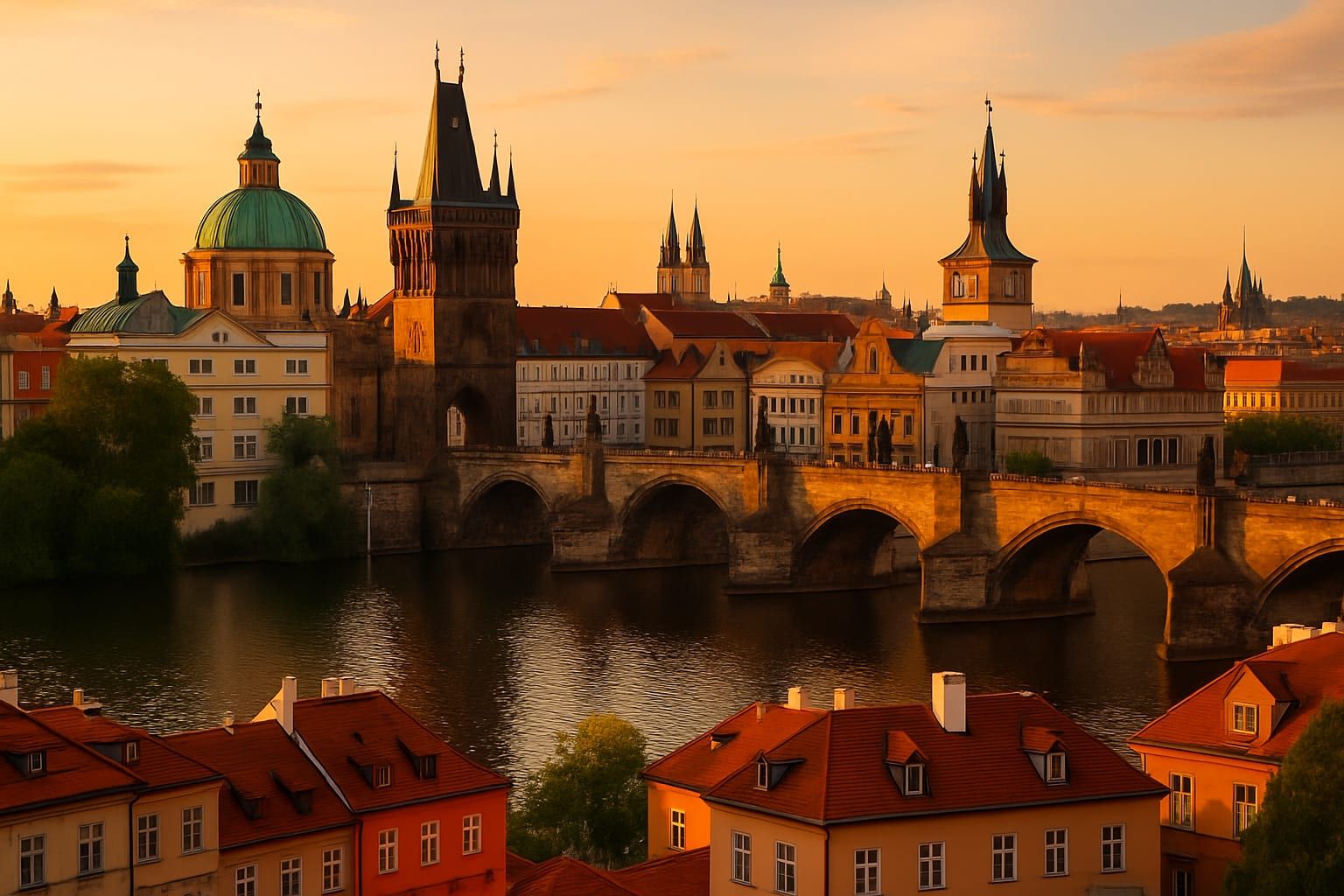
Porto Weekend Guide: Wine, Views & Azulejos
A practical, insider weekend guide to Porto — from port wine cellars and azulejos to the best bites, viewpoints and a smart 48-hour itinerary for first-timers.
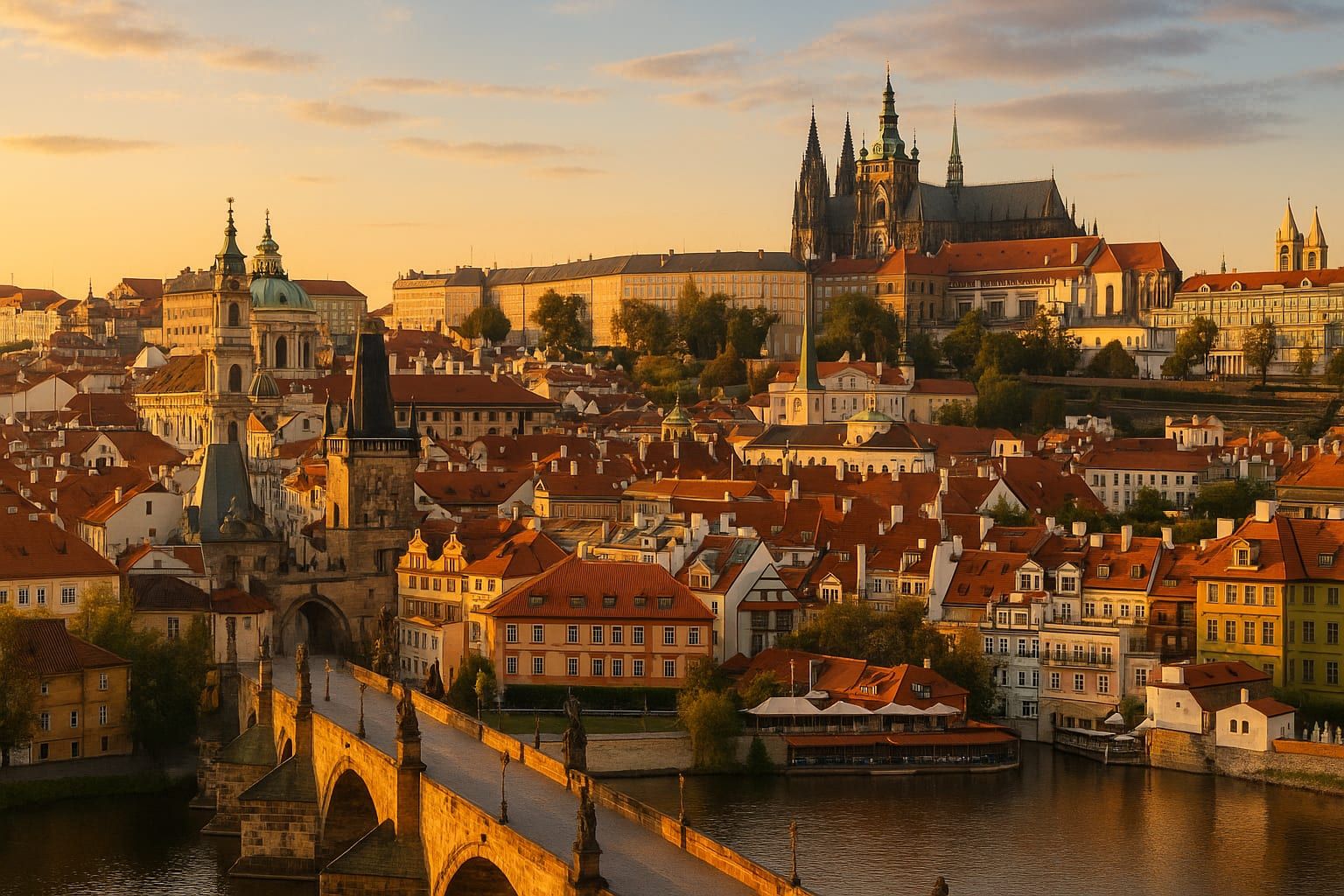
Porto Weekend Guide: Wine, Views & Local Tips
A practical, insider weekend guide to Porto: where to eat, drink Port, explore viewpoints, and take a memorable day trip to the Douro Valley.
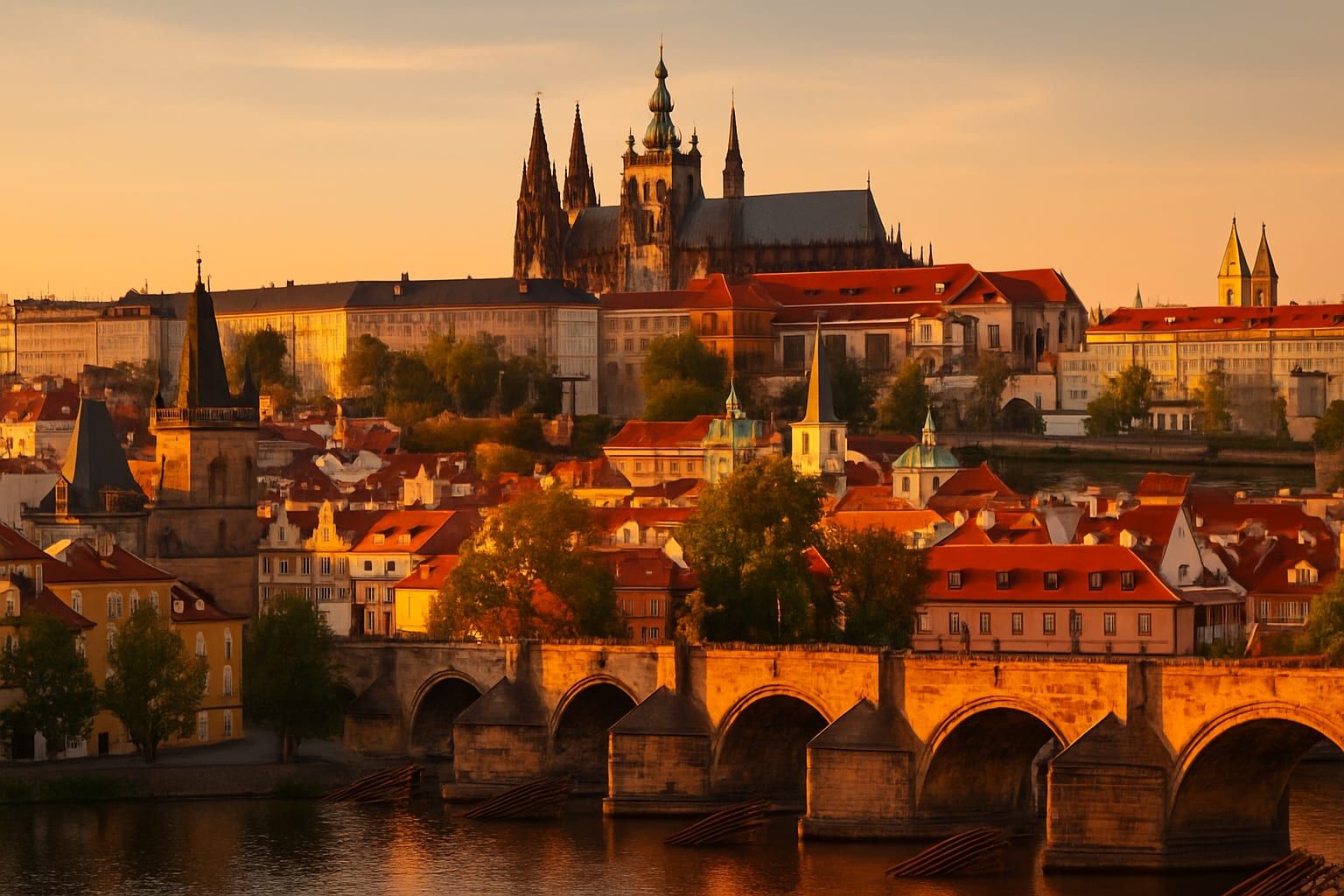
Porto's Hidden Corners: Foz, Miragaia & Gardens
Beyond the Ribeira and wine cellars: where to find Porto’s quieter neighborhoods, gardens, galleries and local eateries — with practical tips, prices and timings.