
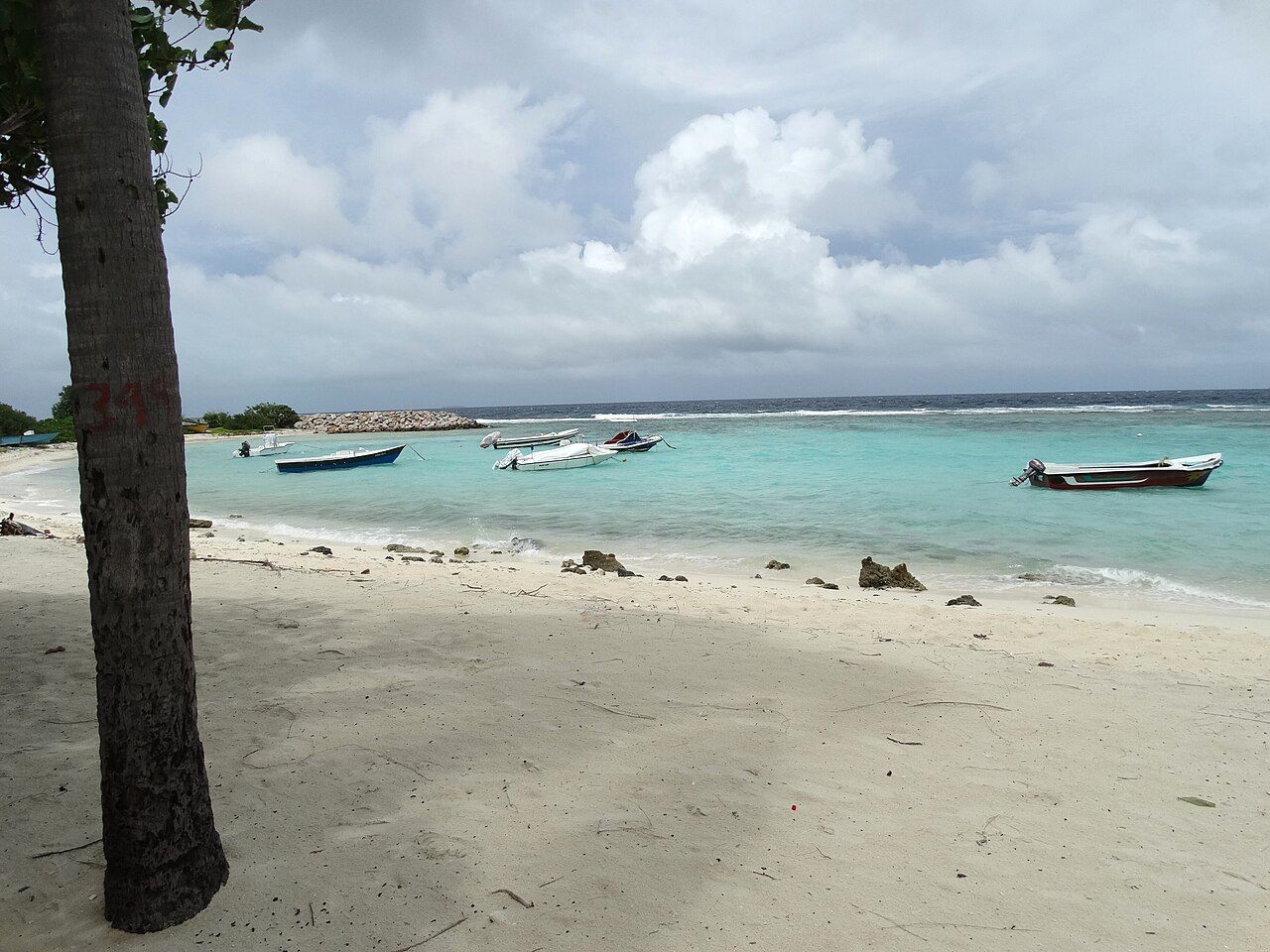
Vilimalé from Malé: Plan a Local Island Visit
Plan Vilimalé from Malé: ferry checks, Public Beach or Lovers Beach, guided walks, local etiquette and the changing bridge connection.
Choose Vilimalé for a half-day of neighbourhood streets, a local beach and a slower view of life around the Maldivian capital. The island is close enough to make sense from a Malé base, but its value is the contrast with the city: time on foot, a waterfront pause and, if you want more context, a guided conservation walk.
This guide covers Vilimalé beside Malé, also written Villimalé or Villingili. It does not cover the similarly named island in Addu, nor Kuda Villingili resort. Check the map before booking anything. Our Malé stopover guide explains the broader city choice; Vilimalé is an additional outing for genuinely free time, not an automatic extra between flights.
Decide whether this is your kind of island visit
| Your priority | Best approach | Main trade-off |
|---|---|---|
| A gentle change from Malé | Local ferry, short walk and public-beach pause | Transport and return still need checking |
| Understanding island life and conservation | Book a guided Villimalé walk | Fixed meeting point, duration and booking conditions |
| Resort-style sunbathing | Choose a suitable resort or confirmed tourist beach elsewhere | Vilimalé is a residential district |
| A short airport gap | Stay with a simpler airport or city plan | Another island adds another transfer |
Allow roughly half a day from Malé for an unhurried visit, including transport and a break. This is an editorial planning suggestion, not a ferry timetable. You do not need to fill it with paid activities. Equally, the island should not be sold as a miniature resort: everyday streets and public beaches are the point of coming.
Use the right name and the right departure point
Visit Maldives' introduction to Villimalé identifies it as a district of the capital and describes departures from the Villimalé Ferry Terminal in Malé. Save that terminal, not a generic “Malé ferry” pin: airport boats, other island services and city waterfront meeting points are different things.
Ask your accommodation to confirm the current departure terminal and route for your date. At the terminal, verify that the boat is going to Vilimalé and where the return boards. A small name difference can be harmless spelling variation; a different atoll is not. Keep a photograph of the departure information and the name of the island in your offline notes.
The MTCC schedules directory and RTL passenger portal are the operator channels to consult. We have not reproduced a fare or a fixed departure interval because the current timetable and payment details were not independently retrievable during this check. Third-party lists disagree, and an old PDF is not enough to promise today's frequency. Confirm the fare, accepted payment and any Friday or holiday changes before committing to the outing.
A short crossing does not make the entire journey equally short. Getting to the terminal, buying or validating a ticket, waiting, boarding and walking away from the arrival point all use time. Carry what you can comfortably handle yourself and keep valuables protected from splashes. If you need assistance with steps or a wheelchair, ask about the actual boat and both boarding points rather than assuming an urban ferry is step-free.
The bridge caveat: a connected structure is not a bus route
Transport information is changing. A President's Office release dated 30 August 2026 describes a walk across the newly connected Malé–Vilimalé bridge segment. That establishes a construction milestone; it does not provide a public opening notice, pedestrian-access rules or an operating bus service.
For this reason, do not take the older tourism page's “ferry only” wording as a permanent fact, and do not infer that you can now walk or drive across because the structure is connected. Check current public transport instructions for the day you travel. The plan here uses a verified operator channel for the ferry rather than promising a road alternative that has not been confirmed.
The practical consequence is simple: agree your return before sightseeing, and do not make the last connection depend on an assumed taxi route across the new bridge. If your hotel confirms a new service, check its actual stop and operating hours. Transport changes can improve the visit, but only when they have moved beyond a construction announcement.
A useful first walk: arrival, streets and Public Beach
At the arrival point, orient yourself before heading for the sand. Identify the return terminal, a place to buy water and a public route towards the beach. Keep the first part of the walk modest: the goal is to settle into the island, not immediately complete a circuit of every coast.
Vilimalé is a lived-in district. Notice the everyday rhythm of streets, small businesses and the waterfront without treating homes as attractions. Stay on public routes, give deliveries and residents room, and ask before photographing people closely. A quiet residential lane is not an invitation to walk into a courtyard or inspect a doorway.
The tourism board names Villimalé Public Beach as a beach area with a view towards the capital. Make that your first coastal objective if you mainly want the contrast with Malé. Find a suitable place to sit, look back towards the skyline and leave time for a drink or snack. You do not need to swim to make the stop worthwhile.
For a simple independent outing, this is already enough: ferry, neighbourhood walk, beach and a break. Only extend the route if everyone is comfortable in the heat and the return remains straightforward. A small island does not oblige you to walk its entire perimeter, especially when works, private areas or an exposed section interrupt the route.
Lovers Beach is a different choice
Visit Maldives also identifies Lovers Beach, describing deeper water and water-sports businesses in that area. Treat this as a separate beach choice, not proof that every waterfront stretch has the same conditions. If you are choosing a place mainly for children to paddle, depth, boat activity and local guidance matter more than a reassuring destination photograph.
For swimming or a water activity, ask locally where it is currently permitted and appropriate. Do not enter a boat approach, cross a working waterfront or assume that calm-looking water means easy conditions. A business shown on an old map may have moved or changed its offering; book an activity only after confirming the operator, equipment, supervision and return timing.
We do not promise a lifeguarded beach, equipment rental, changing room or a designated bikini beach. If one of those is essential, obtain a current answer before leaving Malé. For many visitors, a shore walk and a seated pause are the better fit than trying to improvise a full beach day with services that have not been checked.
Choose a guided walk when context matters
Secret Paradise's four-hour Villimalé Eco Walking Tour offers a specific alternative to wandering independently. The operator describes an island walk, conservation context involving Save the Beach, and a hedhika snack-and-tea experience. Its meeting point is the Villimalé Ferry Terminal entrance on the Malé side, in front of the ticket booth.
Choose this format if understanding coastal change and community life matters more than setting your own pace. An independent walk gives you freedom to shorten the afternoon; a guided visit provides interpretation and arrangements you would otherwise need to organise. Compare what is included in your dated booking, especially transfers and any conservation contribution, rather than assuming every product with “eco” in its name offers the same thing.
Ask what participation actually involves. Learning about conservation is worthwhile without handling coral or entering the sea. Do not arrive at an organisation expecting an unscheduled workshop because a tour page mentions it. A booked experience and a public drop-in centre are different arrangements. Check accessibility, walking demands and whether the programme changes with weather before paying.
Food, clothing and the services you really need
A tea stop can be the most enjoyable part of a short visit. If you want to try hedhika, ask what is available that day and what it contains; the guided product is one confirmed way to include this experience, but independent café availability can vary. Avoid inventing a compulsory restaurant stop from an old recommendation. Choose somewhere open, check the menu and leave enough time to eat without watching the ferry clock.
The operator's local-island travel advice emphasises modest clothing outside designated swimming areas. Wear ordinary clothing suitable for a residential neighbourhood and carry a cover-up if you intend to get wet. Public Beach is a name, not confirmation of resort-style swimwear rules. Follow local signs and ask before assuming a particular stretch is designated for tourist swimwear.
Bring water, sun protection and a light rain layer. Carry small local cash as a backup after confirming how you will pay for transport; do not assume every small purchase accepts a foreign card. Before settling on the beach, locate a usable toilet. If you need a shower, locker or a place to change a child, check it specifically rather than treating it as included in the ferry fare.
Leave large luggage with an agreed provider before the outing. Dragging a suitcase between terminal, streets and beach changes the experience considerably. Keep medication, travel documents and the items you need for onward travel with you, and protect them from sand and moisture. Pack only what supports the short visit you have chosen.
When to stay closer to the airport
Vilimalé works best from a settled Malé base or a deliberately free afternoon. It is a weaker choice when you are tired after an overnight flight, carrying bags or waiting for an onward island pickup that may change. For an airport-area alternative, compare our Hulhumalé stopover guide. Choose around the transfers you actually have, not simply the island that appears nearest on a map.
If you do go, decide the latest sensible departure from Vilimalé before leaving Malé. Work backwards from your next obligation and include waiting and a contingency margin. Reduce the sightseeing first if the outward journey slips. A modest walk with time for tea is more useful than a rushed attempt to see two beaches and finish an activity before a flight.
Cover photograph: Small boats off the sandy shore of Vilimalé near Malé — Archive photograph Image adapted for publication. — Adam Jones, CC BY-SA 2.0.
Frequently Asked Questions
Is this the Villingili in Addu?
No. Vilimalé in this guide is beside Malé, and is also written Villimalé or Villingili. Confirm the capital-area location before booking transport or accommodation.
Where do you take the ferry?
Use the current Villimalé Ferry Terminal arrangements on the Malé side. Confirm with MTCC or RTL and your accommodation; a generic Malé ferry pin may indicate a different service.
Can you walk across the new bridge?
The August 2026 official release confirms a connected segment and a ceremonial walk, not ordinary public access. Check a current opening and transport notice before planning a road or pedestrian crossing.
Is Vilimalé a resort beach day?
It is a residential-island visit with public beaches. Do not assume resort facilities, lifeguards or a designated bikini beach; check the conditions and rules of the exact place you choose.
Is a guide necessary?
Not for a simple public-street and shore walk. A booked guided tour is useful if you want organised transfers, conservation interpretation and a planned local tea experience.


Keep Exploring
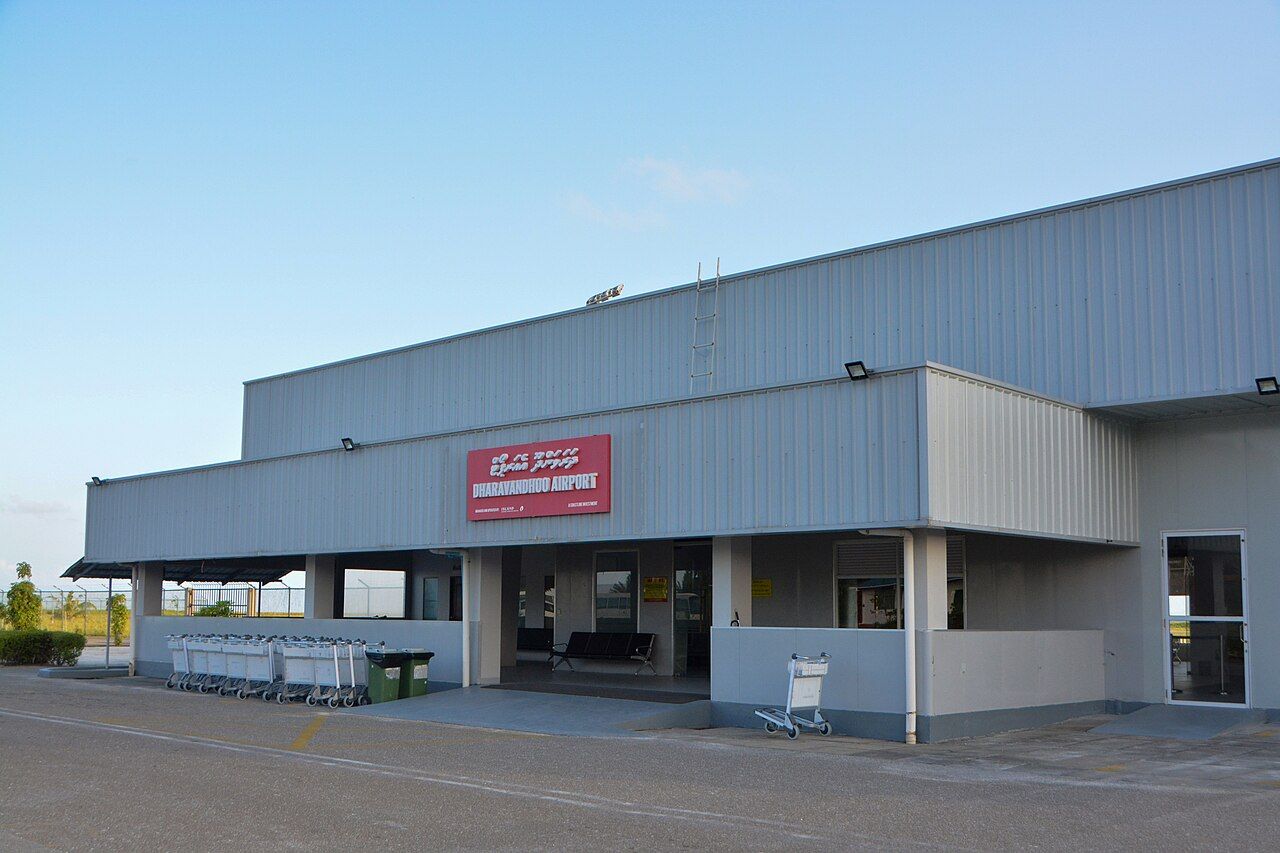
Dharavandhoo: Plan a Maldives Local-Island Stay
Plan Dharavandhoo with domestic flights, guesthouse choices, beach expectations and conditional Hanifaru snorkelling excursions.
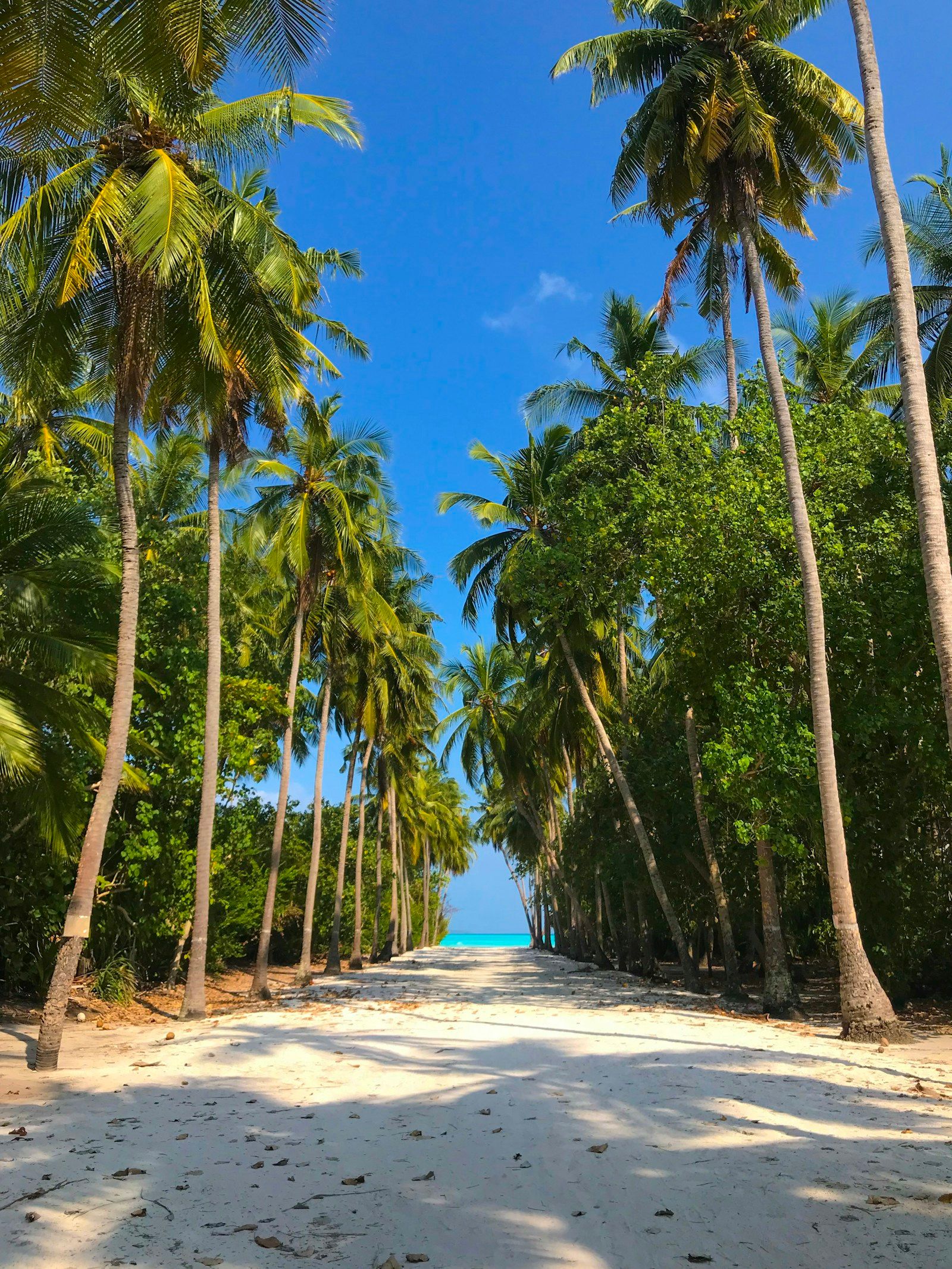
Fulhadhoo: Plan a Maldives Local-Island Stay
Plan Fulhadhoo in Baa Atoll: compare guesthouses, beach access, meals, Innafushi trips and diving, with transfers confirmed for your dates.
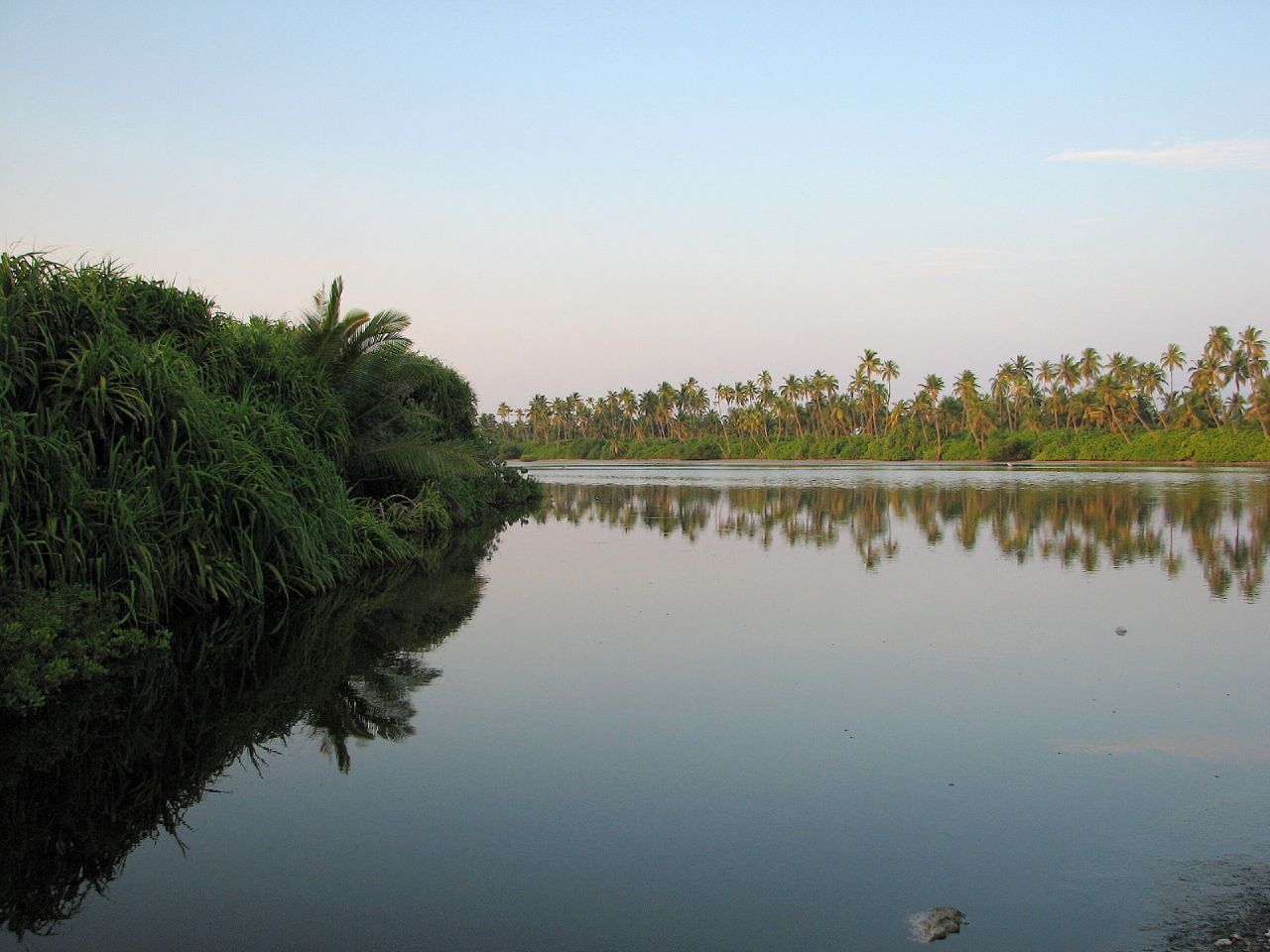
Addu Atoll: Plan a Maldives Island Visit
Choose an Addu base, check Gan flights and plan connected islands, wetlands and marine activities with realistic transfers.