
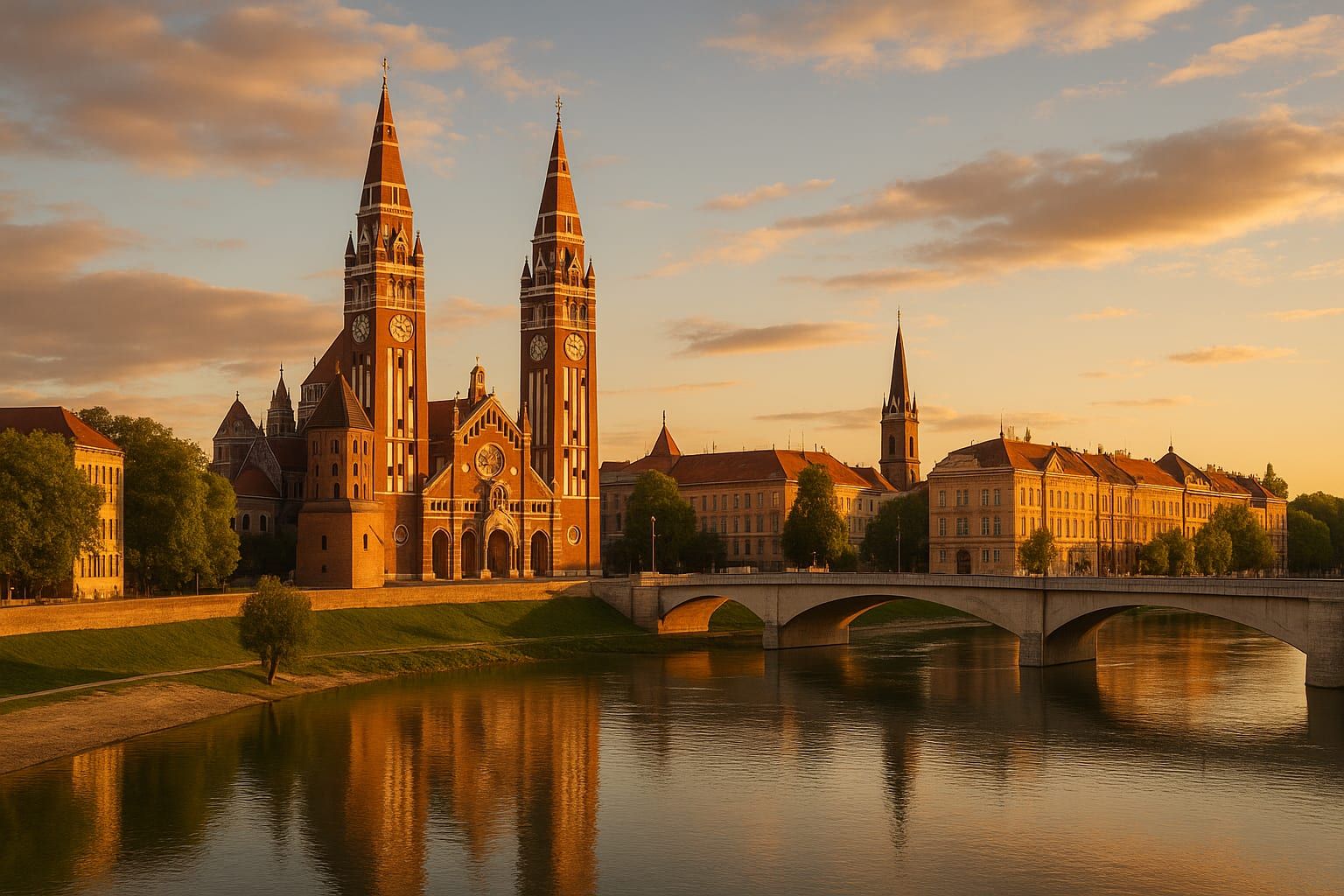
Discover Szeged, Hungary’s City of Sunshine: sun-drenched squares, Art Nouveau architecture, paprika-rich cuisine, open-air festivals, thermal baths, and smart travel tips.
Szeged — Hungary's Sunshine City
Nestled on the banks of the River Tisza in southern Hungary, Szeged is a city that lives up to its nickname: the City of Sunshine. With a Mediterranean glow, broad sunlit squares, an abundance of Art Nouveau and Neo-Renaissance architecture, a lively university scene, and a proud culinary identity (hello, paprikás flavors and fish soup), Szeged is one of Hungary’s most uplifting city escapes.
Below is a practical, insider-friendly travel guide to help you make the most of Szeged — what to see and eat, the best times to visit, local tips, and smart day-trip ideas.
Why Szeged? A quick portrait
- High number of sunny days — locals and visitors alike praise Szeged’s bright climate.
- Beautiful, walkable city center anchored by Dóm Square (Dóm tér) and the Votive Church.
- A strong cultural calendar: open-air theatre and summer festivals draw crowds.
- University town energy — cafés, bars, and affordable dining.
- Classic Hungarian food with local twists: Szeged paprika, fish soup (halászlé), and cured meats.
A short history for context
Szeged’s modern look owes much to the devastating flood of 1879 that destroyed much of the city. Reconstruction brought grand boulevards, public parks, and many of the striking buildings you see today. The rebuilt center blends late 19th-century Neo-Renaissance and Baroque styles with early 20th-century Art Nouveau flourishes.
Top sights and experiences (must-dos)
Dóm Square and the Votive Church (Nagytemplom)
Dóm Square is Szeged’s heart: a wide, open piazza paved in light stone and dominated by the twin-spired Votive Church. It’s a spectacular place to start your walking tour — photography lovers should plan to visit in morning light or at golden hour.
Tip: check the schedule for organ concerts, which are often held in the church’s impressive acoustics.
Szeged Open-Air Festival (Szegedi Szabadtéri Játékok)
If you visit in summer, the Szeged Open-Air Festival is an unforgettable highlight. Held on stages set against the backdrop of Dóm Square and other venues, the festival presents theatre, opera, and classical music in a magical outdoor setting.
New Synagogue
This richly decorated synagogue, blending Moorish and Art Nouveau styles, is one of Europe’s most beautiful synagogues. Even if you’re not a museum-goer, the façade and interior are worth the visit.
Reök Palace and Art Nouveau walking
Reök Palace is an Art Nouveau gem; spend time wandering the nearby side streets to admire pastel façades and decorative details. Szeged is an excellent stop on any Art Nouveau trail.
Móra Ferenc Museum & cultural quarter
For regional history, archaeological finds, and rotating exhibitions, the Móra Ferenc Museum provides a great overview of local life and the Tisza region.
Tisza Riverbank and river activities
A stroll along the Tisza is a relaxing contrast to the central squares. In summer you can rent a bike, join a riverside picnic, or find boat trips and kayaking nearby.
Pick Salami and Paprika — local food heritage
Szeged is famous for paprika and cured meats. If you’re curious about how the region’s flavors are made, look for local food museums and specialty shops showcasing Pick salami and Szeged paprika.
Thermal baths and relaxation
Hungary is a spa country and Szeged has thermal options for a restorative afternoon after sightseeing. Small, local baths offer a calm, authentic experience compared with larger touristy spas.
Eat and drink: what to try in Szeged
- Halászlé (Szeged fish soup): a paprika-forward river fish soup, often cooked tableside at festivals or riverside restaurants.
- Paprika-spiced dishes: Szegedese sauces and stews highlight the local spice.
- Pick salami and cold cuts: excellent in sandwiches or as part of a local charcuterie plate.
- Lángos, chimney cakes and other classic Hungarian street bites.
Local insight: head to Kárász Street (Kárász utca) and the surrounding pedestrian lanes for lively cafés, bakeries, and restaurants where students and locals eat. Look for family-run places where recipes and portions are generous.
Festivals & cultural calendar
- Szeged Open-Air Festival (summer): theatre, opera, and performances in spectacular outdoor venues.
- University-related events: academic year openings and local student festivals add buzz in early autumn and late spring.
- Local food markets and seasonal fairs: great for sampling paprika, cured meats, pastries and fresh produce.
Plan ahead: popular festival events can sell out — book tickets and accommodation early for peak summer.
Where to stay
- City center / Dóm Square area: ideal for first-time visitors who want to walk everywhere and enjoy the atmosphere.
- Kárász street / Pedestrian zone: great for nightlife and dining.
- Near the Tisza: quieter riverside hotels and guesthouses for relaxing views.
Insider tip: because Szeged is a university town, you’ll find good value mid-range hotels and well-reviewed guesthouses. For a quieter stay, book a place just outside the central walking zone and cycle or take a short tram into town.
Getting there and getting around
- From Budapest: regular trains connect Szeged with Budapest; the journey is comfortable and straightforward. Buses also run frequently.
- By car: Szeged is well connected by highway; parking is available but the center is best explored on foot.
- Local transport: buses and trams serve the city; much of the center is extremely walkable and cycle-friendly. Consider renting a bike for riverside routes.
Airport note: Szeged has a small regional airport but most international travelers arrive via Budapest (Liszt Ferenc) or via train from neighboring countries.
Practical tips & local insights
- Currency: Hungary uses the forint (HUF). Credit cards are widely accepted, but carry some cash for smaller cafés, markets, and rural spots.
- Language: Hungarian is the local language. Many young people and service staff speak English; learning a few phrases (köszönöm — thank you) goes a long way.
- Plug type & voltage: standard European Type C/F plugs, 230V.
- Tipping: customary to round up or leave 10% in restaurants if service is not included.
- Opening hours: shops often have shorter hours than in some Western European countries; many small places close on Sundays or mid-afternoon — plan accordingly.
- Safety: Szeged is considered safe for tourists, but usual city precautions apply (watch belongings in crowded areas).
- Best time to visit: late spring to early autumn for warm, sunny weather and festivals. Shoulder seasons (May/September) bring pleasant weather and fewer tourists.
Local nugget: Szeged’s cafes are great for people-watching. When the sun is out, locals flock to the squares with coffee and conversation — seize a terrace table and soak it in.
Day plans: one-day and weekend itineraries
Perfect one-day Szeged
- Morning: Start at Dóm Square and explore the Votive Church and surrounding arcades.
- Midday: Walk Kárász Street for lunch; sample halászlé or a paprika-infused meal.
- Afternoon: Visit the New Synagogue and the Reök Palace; take a slow riverside walk by the Tisza.
- Evening: Catch a concert or performance in summer (festival season) or enjoy a long dinner at a local bistro.
Long weekend (48–72 hours)
- Day 1: Central sights (Dóm Square, museum, synagogue), evening at a terrace café.
- Day 2: Day-trip cycle along the Tisza, market browsing, and a visit to a thermal bath.
- Day 3: Short excursion to a nearby town, or leisure time exploring neighborhoods and student cafés.
Day trips from Szeged
Szeged makes a pleasant base for exploring southern Hungary and beyond:
Pécs (approx. 2–3 hours by train/bus depending on route) — a Mediterranean-feeling Hungarian city known for its museums, Ottoman-era monuments and vibrant cultural scene. See more about Pécs in this guide: Pécs: Hungary's Hidden Mediterranean City.
Budapest — if you want to combine Szeged with the capital, regular train services make Budapest an easy day or overnight trip. For ideas on what to do in the capital, check this itinerary: 3 Days in Budapest: Baths, Ruin Bars & Beyond.
Pro tip: combine Szeged and Pécs for a southern-Hungary loop that balances coastal-feel cities, cultural highlights, and relaxed countryside scenery.
Budgeting and costs
Szeged is generally more affordable than Budapest. Expect lower prices for dining, accommodation and drinks compared with the capital — making it an appealing option for budget-minded travelers who still want great architecture and cultural programming.
Final tips for a memorable visit
- Give yourself time: Szeged rewards slow travel. Sit in a square with a coffee, sample local specialties, and watch the city shift from day to evening.
- Pack for sunshine, but be prepared for sudden summer storms — a light rain jacket or umbrella is handy.
- Embrace local food culture: ask for recommendations and be open to family-run eateries where recipes are passed down.
- If visiting at festival time, book accommodation and tickets early.
Conclusion
Szeged is a perfectly balanced Hungarian city: sun-soaked public spaces and dramatic architecture meet a down-to-earth culinary scene and warm, student-led energy. It’s an ideal stop for travelers who want culture without the crowds, authentic regional food, and easy access to wider southern Hungary. Whether you linger under the shadow of the Votive Church, wander Art Nouveau streets, or savour a paprika-kissed bowl of halászlé by the river, Szeged leaves a bright, lingering impression.
Happy travels — and don’t forget to bring home a packet of Szeged paprika.
Related
Keep Exploring
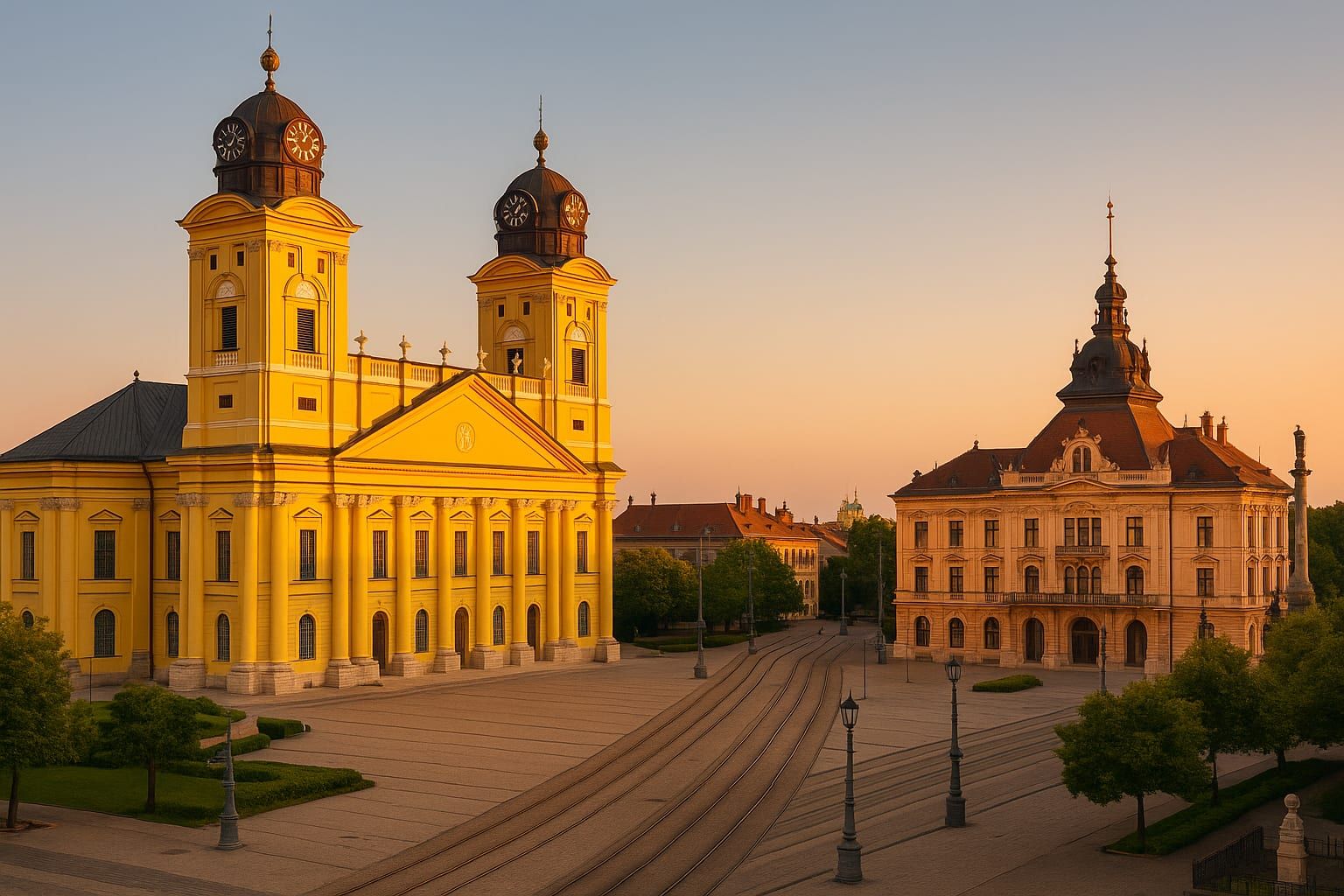
Debrecen: Hungary's Reformed Capital
Explore Debrecen — Hungary’s Reformed Capital. From the towering Great Reformed Church and Hortobágy plains to thermal baths, kolbász and student cafés, here’s your practical guide.
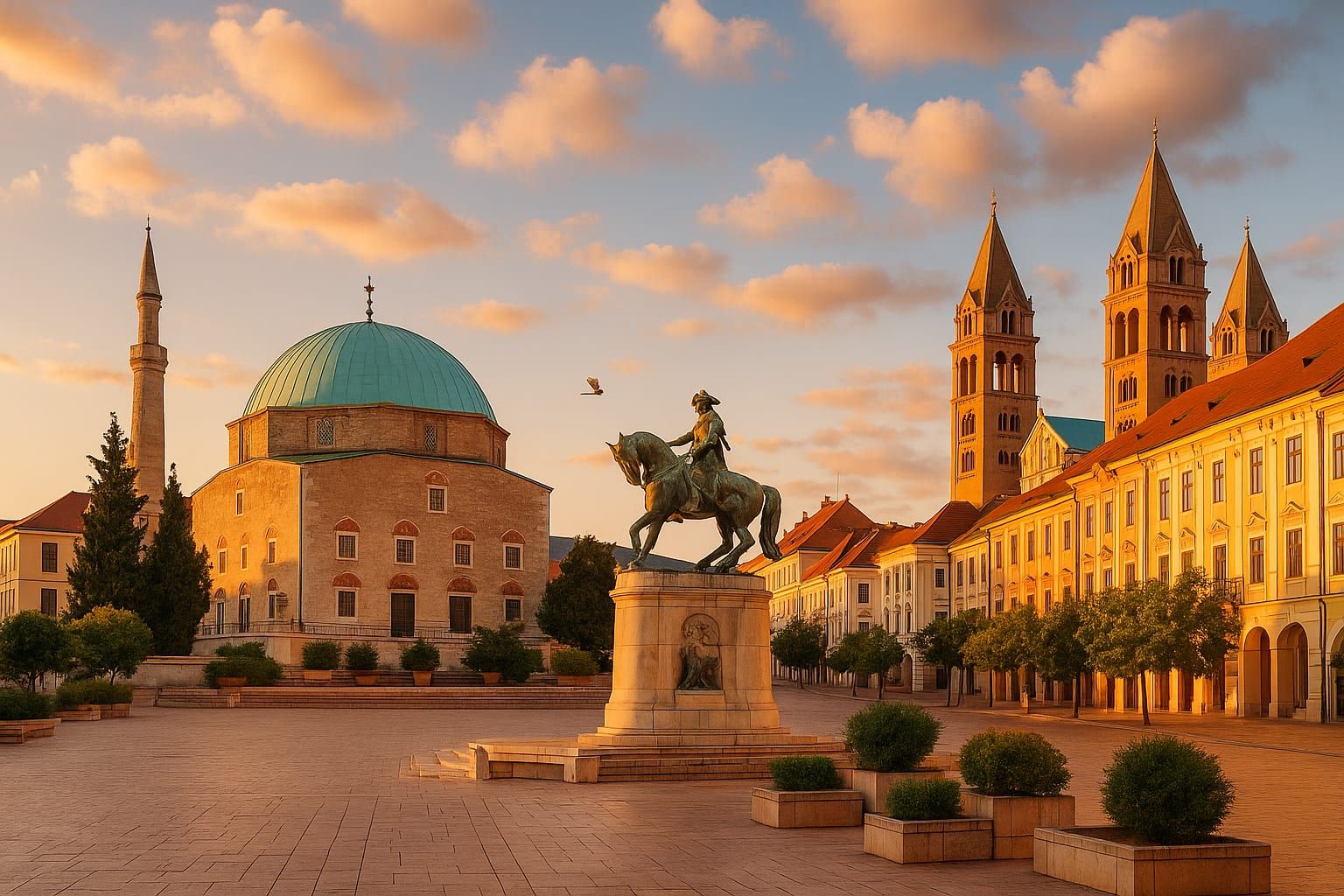
Pecs: Hungary's Hidden Mediterranean City
Discover Pécs — Hungary’s sunlit southern city with Mediterranean flair: Ottoman monuments, Zsolnay porcelain, vineyards, lively cafés and practical local tips for a perfect visit.
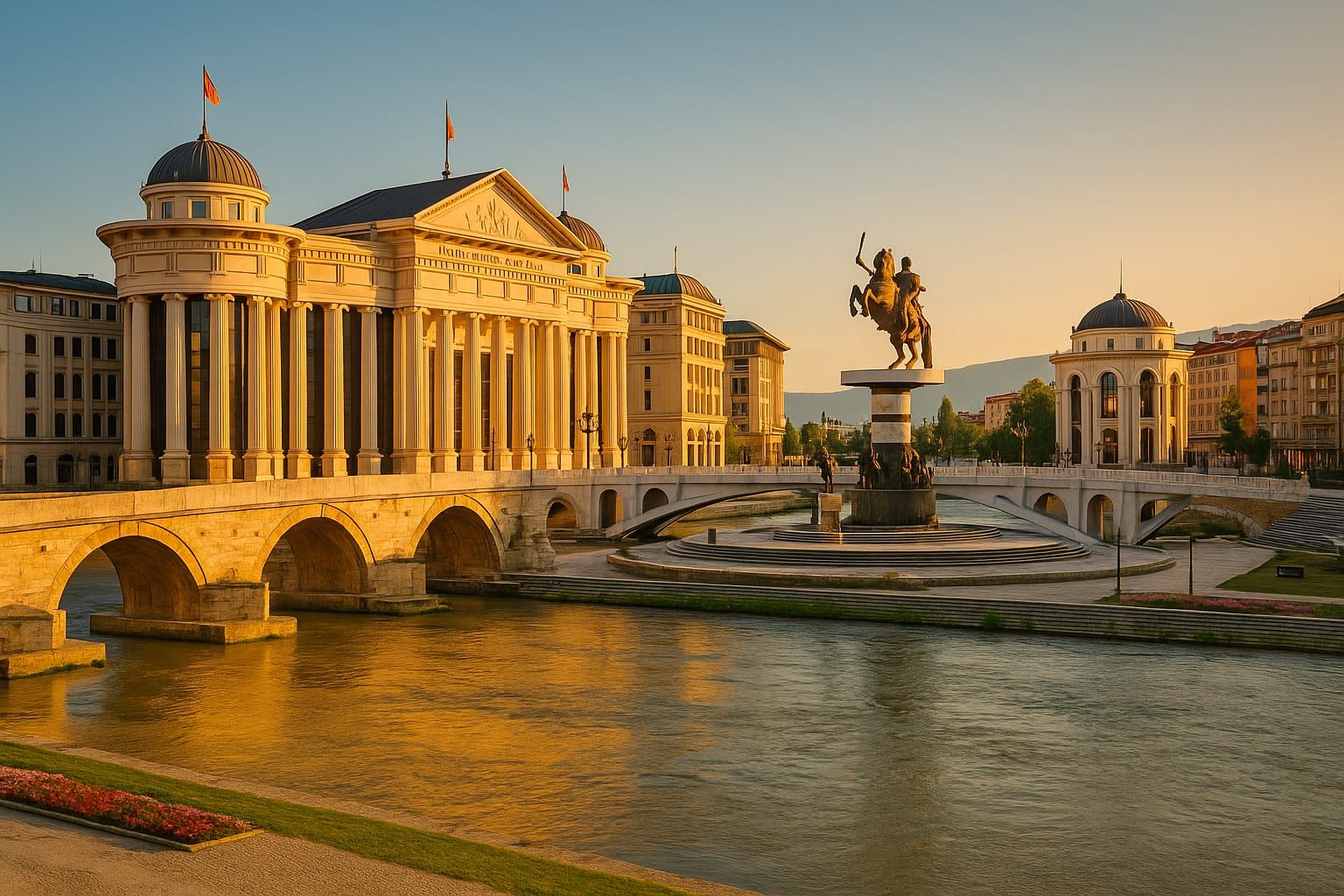
Skopje: North Macedonia's Quirky Capital
A practical, upbeat travel guide to Skopje — a small capital with a big personality: Ottoman bazaars, kitsch monuments, lively neighborhoods, and easy access to Matka Canyon and Ohrid.