
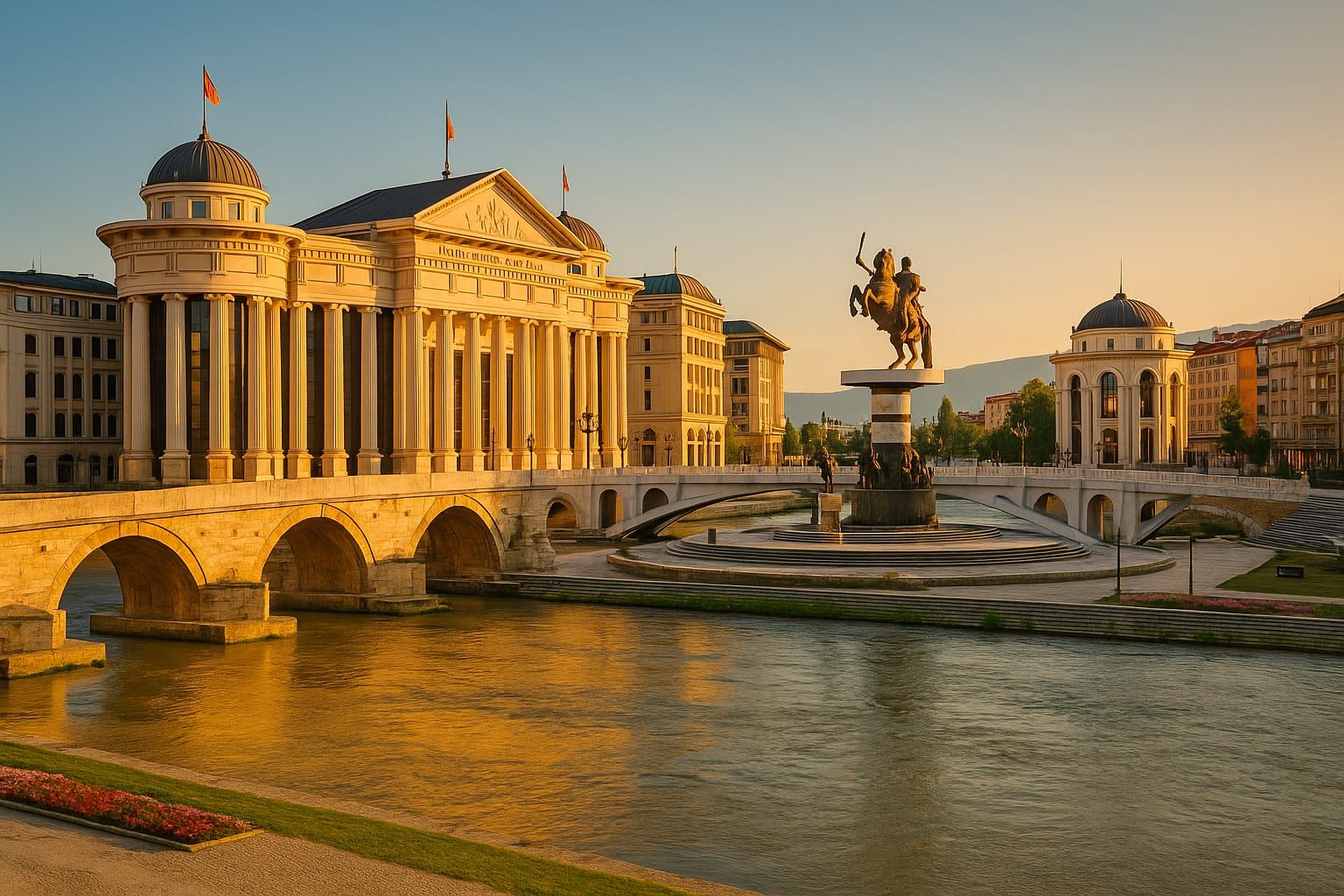
A practical, upbeat travel guide to Skopje — a small capital with a big personality: Ottoman bazaars, kitsch monuments, lively neighborhoods, and easy access to Matka Canyon and Ohrid.
Skopje: North Macedonia's Quirky Capital
Skopje feels like a city with a mischievous sense of humor. It stitches together Ottoman mosques, a rambling Old Bazaar, Brutalist Yugoslav monuments, and an unapologetically kitsch parade of neo-classical facades and bronze statues from the controversial Skopje 2014 project. The result is a capital that surprises, amuses and intrigues in equal measure — and rewards curious travelers with authentic food, friendly locals and easy day-trip options.
Whether you’re backpacking the Balkans, road-tripping through the region or chasing offbeat European capitals, Skopje is a bargain-friendly, compact city worth lingering in for at least a couple of days.
Quick snapshot
- Where: Northern North Macedonia, on the Vardar River
- Vibe: Eclectic, slightly kitsch, historically layered
- Language: Macedonian (Cyrillic), Albanian widely spoken; English common in tourist areas
- Currency: Macedonian denar (MKD)
- Best for: Culture hunters, budget travelers, fans of urban oddities
Why Skopje feels so...quirky
The 1963 earthquake that devastated the city set the stage for a patchwork reconstruction. Later, the government-funded Skopje 2014 facelift added dozens of statues, new facades and grand monuments intended to craft a heroic national story. For many visitors this creates a city that can feel both theatrical and a little surreal: imagine a Parisian triumphal arch beside Ottoman bazaars and a giant heroic bronze staring down a modern boulevard.
Rather than seeing this as a mismatch, embrace Skopje’s contradictions. The past sits next to the present — and locals move easily between traditions and contemporary life.
Top sights and experiences
Macedonia Square & the Warrior on a Horse
Start at the city’s central plaza. The square is dominated by a flamboyant bronze rider statue that locals often discuss (it’s popularly known as Alexander the Great). The wide avenues, fountains and surrounding restaurants make this a great orientation point.
Tips: Visit in the evening when the square is lit and cafés spill onto terraces.
Stone Bridge & the Old Bazaar (Stara Čaršija)
The stone bridge across the Vardar links new Skopje with the atmospheric Old Bazaar — one of the Balkans’ largest Ottoman bazaars still in operation. Narrow lanes hide artisan workshops, teahouses and mosques. It’s a great place to smell spices, haggle for handcrafts and pause in a tea garden.
Local insight: For the best kahva (Turkish-style coffee) and pastry, follow locals into smaller side streets — you’ll often find older cafés with authentic character.
Skopje Fortress (Kale)
A short walk from the bazaar, the fortress overlooks the city and river. The ruins and strolling paths are ideal for sunset views and photos.
Mother Teresa Memorial House
Mother Teresa was born in Skopje. The simple, modern memorial offers exhibits on her life and humanitarian legacy. It’s a respectful and peaceful stop.
Millennium Cross on Mount Vodno
The 66-meter cross on Mount Vodno is visible from much of the city. Take the cable car (or hike) for sweeping panoramas of Skopje and the surrounding plains.
Museums & modern art
Skopje’s museums reflect layers of identity: archaeology, history and the Yugoslav-era Modern Gallery. If you’re curious about the city’s post-earthquake history, seek out the museums dedicated to the 20th century and modern art.
Statues, promenades and the Vardar riverfront
One of Skopje’s signature quirks is the sheer number of public monuments. Wander the riverside promenades — you’ll encounter oversized bronze figures, neoclassical pavilions and surprisingly photogenic bridges.
Matka Canyon — a must-do day trip
A 20–30 minute drive from the city, Matka Canyon is a contrasting natural wonder: sheer cliffs, emerald water, medieval monasteries and hiking trails. Boat trips explore caves and narrow gorges. It’s the best quick escape from urban kitsch into quiet nature.
Pro tip: Rent a kayak or join a short guided boat ride to see the canyon’s cave and the hermit monasteries tucked into the cliffs.
Sample itineraries
One day — essential Skopje
- Morning: Macedonia Square, Stone Bridge, Old Bazaar (coffee + burek)
- Midday: Skopje Fortress and short walk along the river
- Afternoon: Mother Teresa Memorial House, Museum of Contemporary Art or city stroll
- Evening: Dine in Debar Maalo (buzzy neighborhood with restaurants and bars)
Two days — explore deeper
Day 1: follow the one-day plan. Day 2: Matka Canyon day trip; return for dinner and live music in the Old Bazaar or Debar Maalo.
Three days — add history and day trips
Day 1–2: as above. Day 3: Take a longer excursion to Ohrid (lake paradise) or use Skopje as a base for the western Balkans. For ideas on multi-stop Balkan routes, see the Ultimate Balkans Road Trip guide: /en/itineraries/ultimate-balkans-road-trip-2-weeks-itinerary. For a deep-lake experience, don’t miss nearby Ohrid: /en/hidden-gems/ohrid-europes-hidden-lake-paradise.
Eat, drink and mingle like a local
- What to try: Tavče gravče (baked beans), ajvar (pepper spread), kebapi, burek, shopska salad and fresh grilled meats. Skopje’s mix of Balkan and Ottoman flavors is deliciously comforting.
- Where locals go: Debar Maalo is the go-to neighborhood for contemporary cafés, wine bars and lively restaurants. The Old Bazaar has traditional taverns and ćevapi joints.
- Coffee culture: Cafés are social hubs. Order a strong coffee (Turkish/espresso) and linger.
- Nightlife: From low-key bars to energetic clubs, Skopje’s night scene is compact and friendly — expect a late-night crowd on weekends.
Tipping: 10% is customary in restaurants if service isn’t included.
Practical tips & local insights
Getting there & around
- By air: Skopje International Airport has direct flights to many European cities. The airport transfer into the city is quick and affordable.
- By bus/train: Regular international buses link Skopje to neighboring Balkan capitals. Trains exist but can be slower.
- City transport: The center is very walkable. Buses cover longer routes; taxis are cheap but agree on the meter or fare beforehand. Ride-hailing apps are increasingly available.
Money & costs
- Currency: Macedonian denar (MKD). ATMs are widespread; cards are accepted at many places but carry cash for markets and small cafés.
- Budget travel: Skopje is one of Europe’s more affordable capitals — excellent value for food, accommodation and transport.
Safety & local customs
- Safety: Skopje is generally safe for travelers; usual city smarts apply (watch petty theft in crowded areas).
- Dress: Casual dress is fine. When visiting mosques, dress modestly and remove shoes.
- Languages: Macedonian and Albanian are official; you’ll find many English speakers in tourist areas.
When to visit
Spring (April–June) and autumn (September–October) offer mild weather and fewer crowds. Summers can be hot; winters are cold with occasional snow but fewer tourists.
Connectivity & practicalities
- SIM cards: Local SIMs are inexpensive and available at the airport and shops.
- Tap water: Generally safe in Skopje, but if you’re sensitive, bottled water is readily available.
- Power: European plugs (Type C/E) and 230V.
Responsible travel notes
Skopje’s rapid modernization and monument-building have been politically sensitive. As a visitor, respect local narratives and use your travel dollars to support small businesses: local cafés, artisans in the Old Bazaar and community-run tours are great ways to contribute directly to the city’s economy.
If you’re driving or bus-hopping through the Balkans, consider slower travel: staying longer in a neighborhood gives more meaningful interactions than ticking off monuments.
Final thoughts — why Skopje deserves a spot on your map
Skopje rewards curiosity. It’s not a polished postcard city, but that’s part of its charm. You’ll find heartfelt hospitality, surprising contrasts (from Ottoman lanes to oversized bronze heroes), affordable food and easy access to spectacular nature like Matka Canyon or the lake towns of western North Macedonia.
Whether you love history, enjoy unusual urban landscapes or want an affordable base for Balkan exploration, Skopje is an unforgettable stop.
Happy travels — and bring a camera with a wide-angle lens.
Keep Exploring
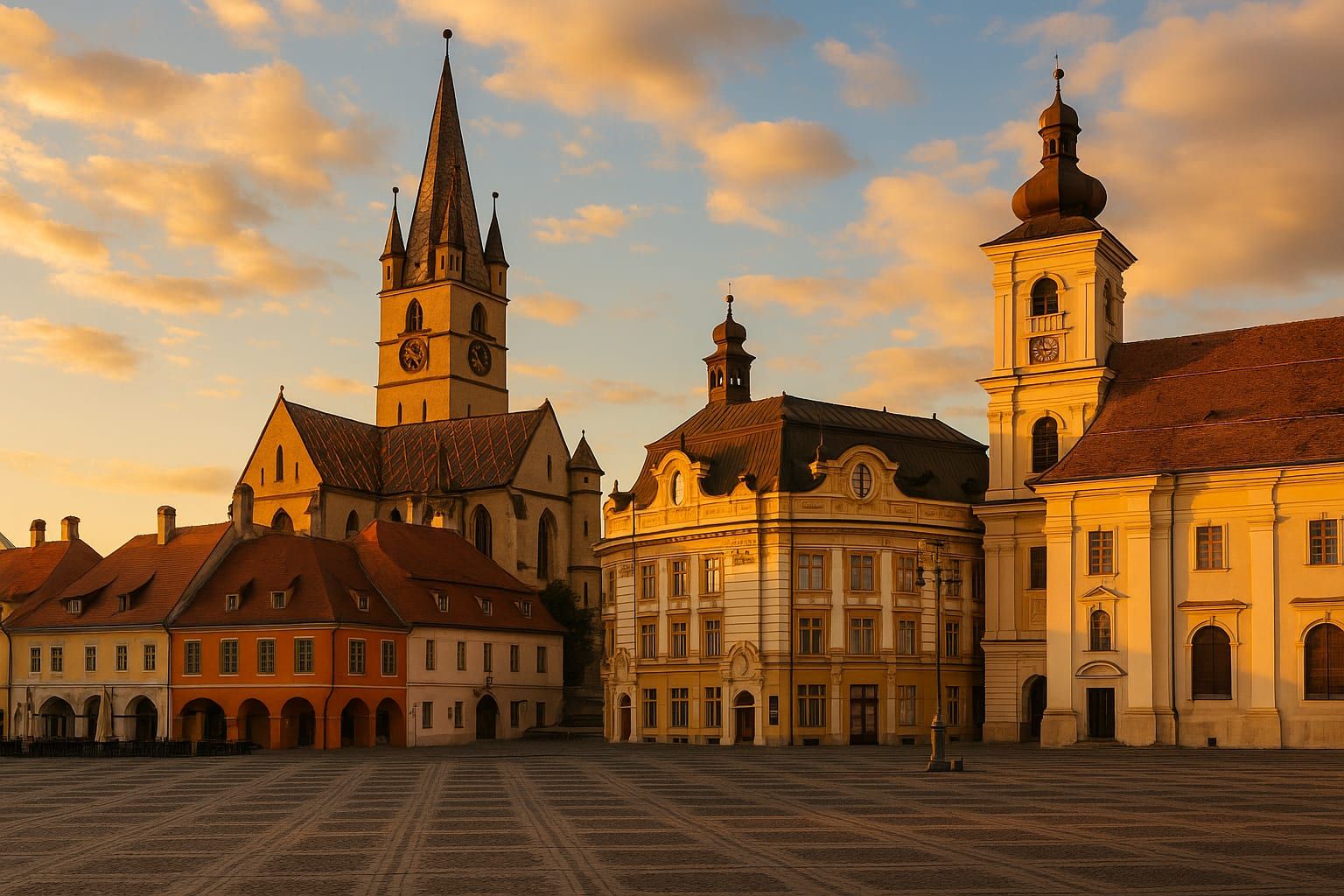
Sibiu: Transylvania's Most Charming City
Explore Sibiu — a medieval Transylvanian gem. This guide covers top sights, day trips, seasonal highlights, local food and practical tips for a memorable visit.
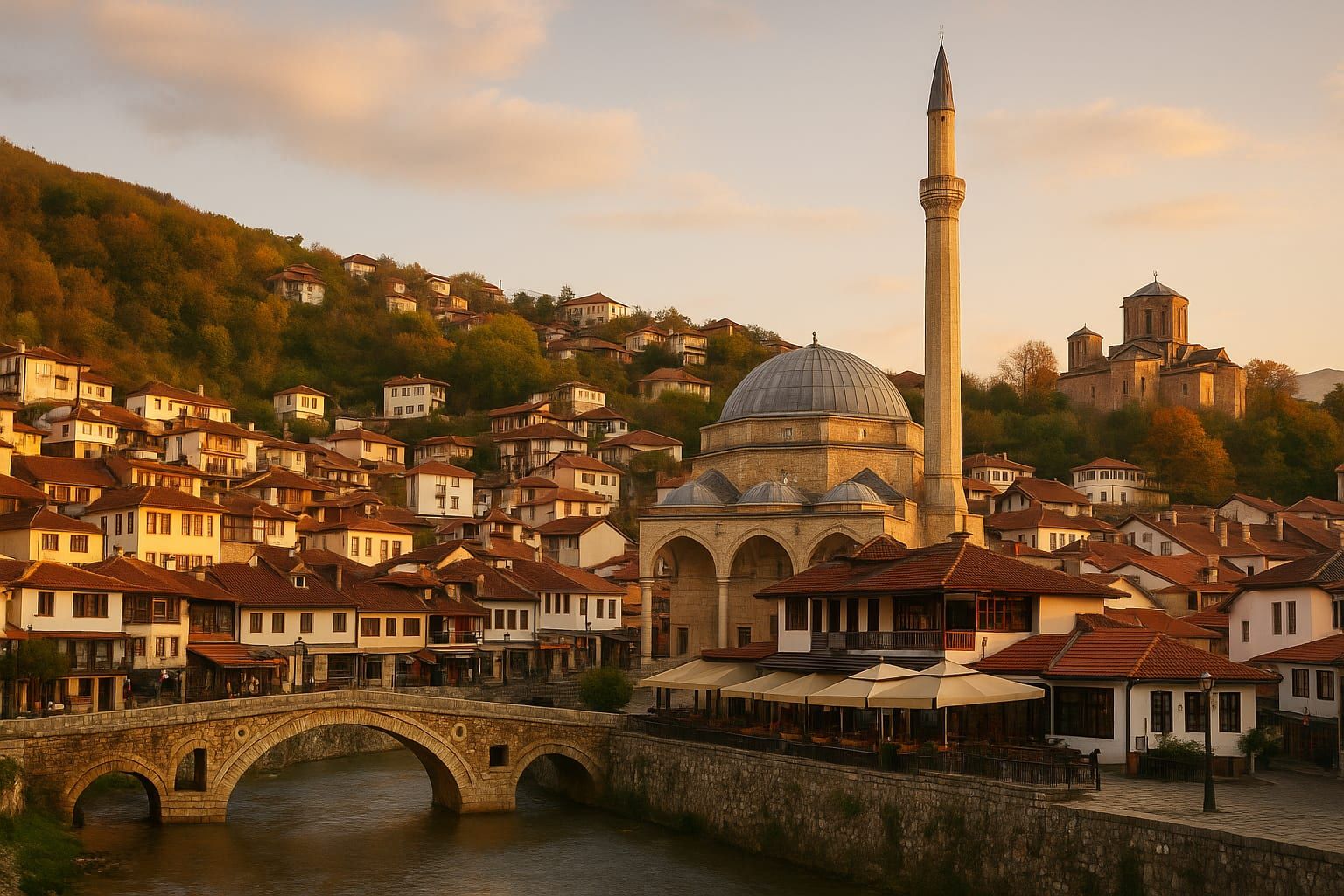
Prizren: The Ottoman Jewel of the Balkans
Discover Prizren, Kosovo — a compact, atmospheric city where Ottoman mosques, cobbled lanes, Byzantine churches and lively kafanas blend into a timeless Balkan experience.
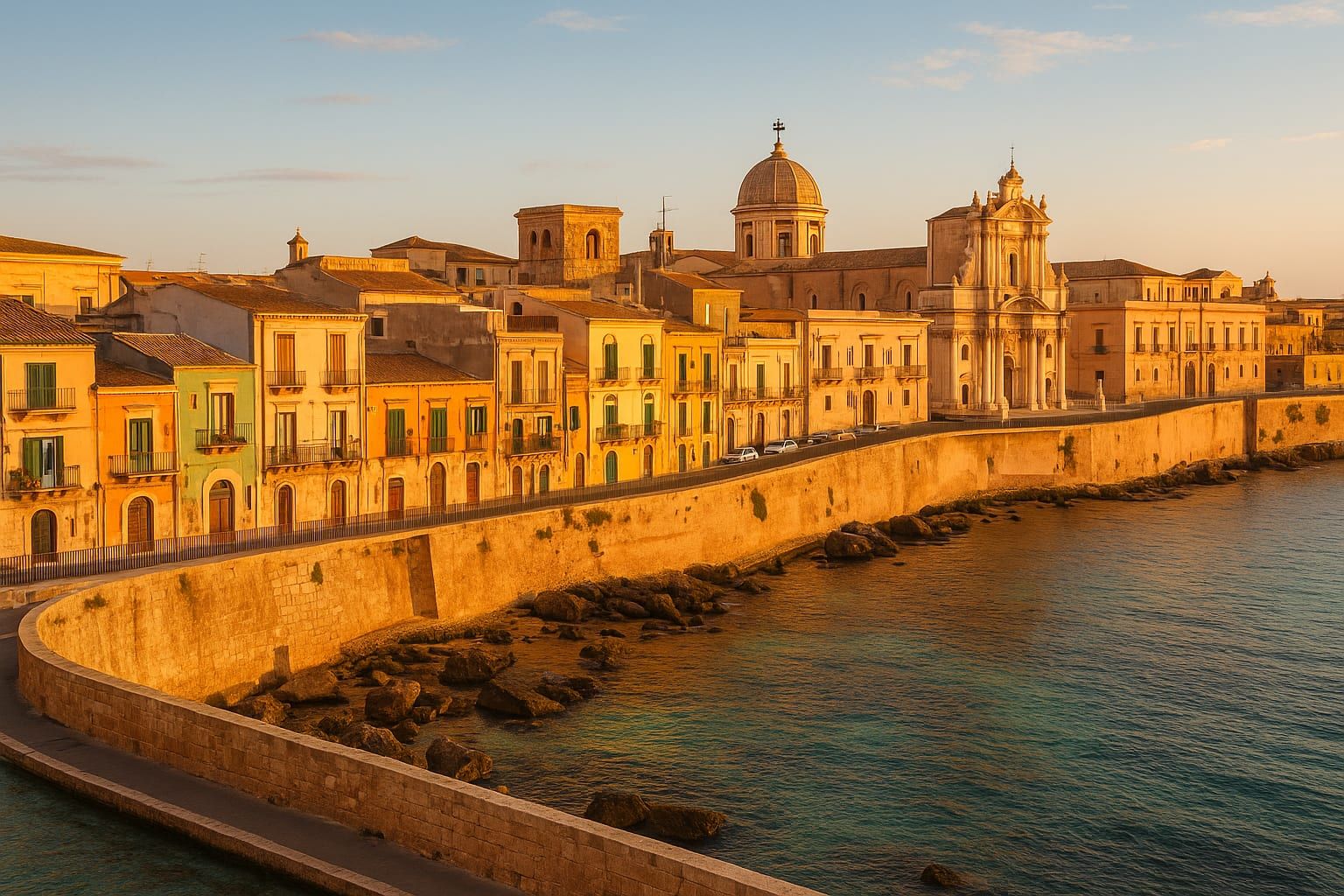
Siracusa: Sicily's Most Beautiful Ancient City
Siracusa is Sicily’s most beautiful ancient city: Greek theatres, Baroque Ortigia, seafood markets and sun-drenched alleys. This guide covers highlights, food, itineraries and practical tips.