
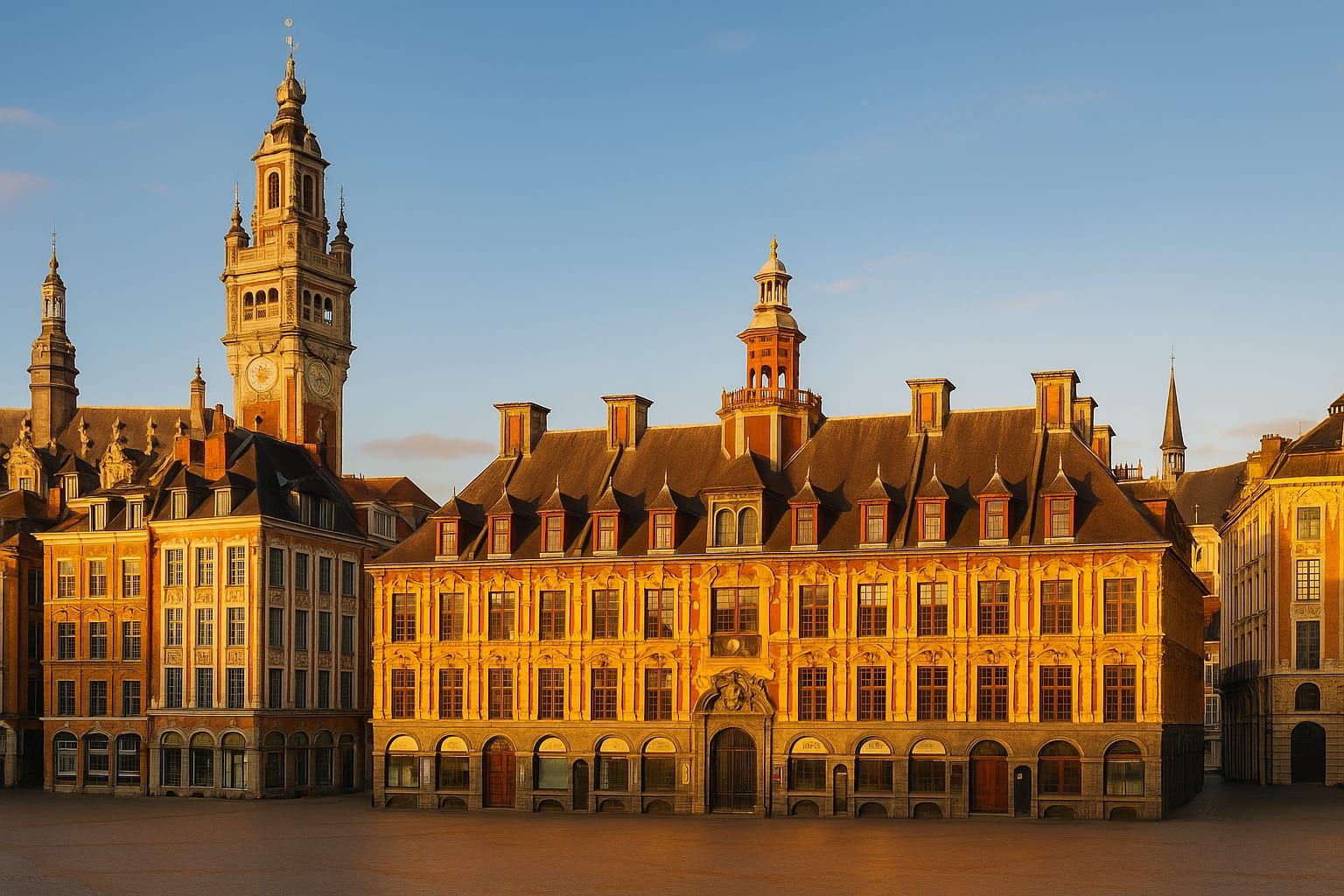
Discover Lille — a lively northern French city where Flemish brick facades, world-class museums, buzzing markets and year-round festivals make culture part of daily life.
Lille: Northern France's Cultural Powerhouse
Lille sits at France’s northern doorstep — a compact, energetic city where Flemish brick façades, grand boulevards and a feverish cultural calendar turn everyday life into a celebration of history, art and food. Once an industrial hub, Lille reinvented itself after being named European Capital of Culture in 2004 and continues to punch far above its weight with museums, festivals and neighbourhoods overflowing with personality.
Below is a guide to what to see and do, how to get around, where to eat and sleep, plus practical local tips so you can experience Lille like a resident.
Why Lille feels like a cultural capital
Lille’s cultural strength comes from several converging forces:
- A layered history: medieval textile wealth, French and Flemish influences, and 19th–20th century industrial growth have left a varied architectural and social fabric.
- Ambitious cultural programming: Lille 3000 (the contemporary culture initiative that followed the 2004 European Capital of Culture year) keeps the city on the creative map with major events, exhibitions and public art.
- World-class institutions: museums such as the Palais des Beaux-Arts and the LaM in Villeneuve d’Ascq host major collections and rotating shows that attract national and international audiences.
- A lively street culture: markets, estaminets (traditional cafés), bars and neighbourhood festivals make culture part of daily life, not just something confined to gallery walls.
Quick essentials
- Language: French; English widely spoken in tourist areas.
- Currency: Euro.
- Best time to visit: spring–early autumn for the best weather and outdoor events; early September for La Braderie (the massive flea market). Winters are cool and wet.
- Key stations: Lille-Europe (TGV & Eurostar) and Lille-Flandres (regional and some long-distance services).
Getting there and getting around
By train
Lille is exceptionally well connected:
- Paris to Lille: ~1 hour by TGV from Gare du Nord.
- Brussels to Lille: ~35–45 minutes.
- London to Lille: ~1h20 by Eurostar.
Arrive at Lille-Europe if you’re on international trains; Lille-Flandres is in the historic centre and a short walk away.
On the ground
- Metro, tram and bus: Efficient and easy to use; single tickets and day passes are available.
- V'Lille: The city bike-share system is perfect for short hops; many streets are bike-friendly.
- Walk: Vieux-Lille (Old Lille) and central areas are compact and best explored on foot.
Must-see neighbourhoods and landmarks
Vieux-Lille (Old Lille)
Cobblestones, ornate façades and boutique shops define the city’s most photogenic neighbourhood. Key picks:
- Place du Général de Gaulle (Grand Place): Lille’s lively main square, surrounded by cafés and the impressive Opéra de Lille.
- Vieille Bourse (Old Stock Exchange): A stunning 17th-century arcade; bookstalls and chess games in the courtyard.
- Rue de la Monnaie & rue Esquermoise: For independent shops, chocolatiers and local designers.
The Citadel and Bois de Boulogne
Designed by Vauban, the star-shaped Citadel sits within leafy parkland — an ideal place for a walk or picnic and a reminder of Lille’s strategic military history.
Euralille
The modern face of the city — a business district anchored by Lille-Europe station. It’s useful for travellers arriving by train and offers contemporary shopping and architecture.
Museums & galleries
Palais des Beaux-Arts
One of France’s largest fine-arts museums after the Louvre, the Palais des Beaux-Arts houses paintings (Rubens, Delacroix), sculpture, antiquities and rotating exhibitions. Plan at least 2 hours.
LaM — Lille Métropole Musée d'art moderne, d'art contemporain et d'art brut (Villeneuve d'Ascq)
A short tram ride from the centre, LaM combines modern art, contemporary works and outsider art in a light-filled setting surrounded by a park — a highlight for contemporary-art lovers.
La Piscine Museum (Roubaix)
Technically in neighbouring Roubaix but an essential day trip: this converted Art Deco swimming pool houses a surprising and atmospheric collection of sculpture, design and applied arts.
Musée de l'Hospice Comtesse
Housed in a medieval hospital building in Vieux-Lille, this museum tells the city’s social history and offers insights into local life across centuries.
Pro tip: Check each museum’s website for short-term exhibitions and combined-ticket deals. Large temporary shows can sell out on weekends.
Festivals and signature events
- La Braderie de Lille (early September): Europe’s biggest flea market — tens of thousands of stallholders fill the streets. Expect crowds, bargains and local street-food stalls (moules-frites is the unofficial braderie dish).
- Lille 3000: The long-running cultural programme presents themed seasons with major public-art installations, exhibitions and performances at intervals — check the Lille 3000 calendar for dates.
- Christmas and winter events: The city hosts markets, lights and seasonal pop-ups that give Lille a festive charm in December.
Local tip: If you visit during La Braderie, stay centrally and arrive very early. Watch your belongings in the dense crowds and bring cash for smaller stalls.
Food, drink and where to eat
Lille’s cuisine blends French and Flemish influences — rich, hearty and excellent for beer lovers.
- Must-try dishes: carbonnade flamande (beef stewed in beer), moules-frites, and potjevleesch (a terrine of cold meats). Don’t miss local waffles from street vendors.
- Estaminets: Traditional Flemish cafés that serve home-style dishes and regional beers — great for convivial meals.
- Beer: Northern France shares a strong beer tradition with Belgium. Look for local and regional brews like Ch’ti or offerings from small craft breweries.
- Markets: Marché de Wazemmes (Sunday) is one of the liveliest markets in France — a mix of fresh produce, spices, textiles and street food.
Where to go:
- Vieux-Lille: Many of the city’s best restaurants and pâtisseries; expect higher prices but authentic atmosphere.
- Wazemmes: Younger, multicultural, and where you’ll find the best market vibes.
Insider tip: Try a savoury ‘welsh’ (a local take on Welsh rarebit) at an estaminet; it’s a cheesily satisfying regional speciality.
Where to stay
- Vieux-Lille: Charming, close to museums and cafés — ideal for first-time visitors.
- Euralille / near the stations: Practical if you arrive late or travel frequently by train.
- Wazemmes: Trendier and more budget-friendly with a bohemian vibe.
Hotels range from boutique B&Bs in historic houses to larger chains; book early if you visit during La Braderie or major festivals.
Suggested itineraries
48 hours in Lille (quick-hit cultural itinerary)
Day 1
- Morning: Arrive at Lille-Flandres/Lille-Europe, coffee and croissant in Vieux-Lille.
- Midday: Explore Place du Général de Gaulle and the Vieille Bourse.
- Afternoon: Palais des Beaux-Arts (2–3 hours).
- Evening: Dinner at an estaminet and beers in Vieux-Lille.
Day 2
- Morning: Wazemmes market (if it’s Sunday), or take the tram to LaM in Villeneuve d’Ascq.
- Midday: Lunch in Roubaix followed by La Piscine Museum (allow 2–3 hours).
- Afternoon: Walk the Citadel grounds, shop Rue de Béthune or sample local chocolatiers.
- Evening: Catch a concert at L’Aéronef or the Opéra de Lille if something’s on.
Day trips from Lille
- Brussels, Bruges or Ghent are within easy train reach for a day of Belgian culture and canals.
- Paris is around an hour by TGV if you want to combine big-city sightseeing.
If you’re planning trips from Paris, consider reading our recommendations on nearby escapes: Day Trips from Paris: Beyond Versailles.
Practical tips & local insights
- Money & cards: Cards are widely accepted, but small market stalls may prefer cash. Bring some coins for market purchases.
- Tipping: Service is usually included in France; leave a small extra amount for exceptional service or round up a bill.
- Weather: Northern France is cooler and wetter than the Mediterranean. Layer up and carry a compact umbrella.
- Safety: Lille is generally safe, but pickpocketing can occur in crowded tourist spots and trains — keep bags zipped and close.
- Museum timings: Many museums close one day a week (often Monday or Tuesday) and have variable hours — check online before you go.
- Local etiquette: A few words of French go a long way — start interactions with “Bonjour” and say “Merci” when appropriate.
- Public transport passes: If you plan multiple tram/metro rides, look into day passes for savings.
Local secret: For excellent street photography, wander the quieter streets north of Vieux-Lille around golden hour. The red-brick façades and narrow alleys glow beautifully at sunset.
Shopping & souvenirs
- Regional specialities: Local beers, artisan chocolate, and biscuits make excellent gifts.
- Flea market finds: If you time your visit for La Braderie, be ready to haggle and hunt for vintage housewares and clothes.
- Fashion & design: Lille has a lively independent-design scene — look for boutiques in Vieux-Lille and concept stores in Euralille.
When to visit: pace yourself
- Spring and early autumn are the sweet spot: mild weather, fewer tourists and lots of outdoor life.
- Summer has festivals and open-air events but expect more visitors.
- If you love crowds, bargain-hunting and atmosphere, plan to be here for La Braderie in September.
Combine Lille with other French & European stops
Because of its excellent rail connections, Lille makes a practical base for multi-city itineraries. If you’re heading south after Lille, you might enjoy reading about other French city escapes like Marseille: France's Most Underrated Major City to plan a longer French adventure.
Final thoughts
Lille’s appeal lies in its blend of approachable scale and ambitious cultural life. Its museums can match any mid-size European city, its streets retain neighbourhood warmth, and its calendar of events ensures there’s always something new to discover. Whether you come for art, food, shopping or simply to drink a beer in a historic square, Lille rewards curious travellers with an experience that feels both authentically northern and unmistakably French.
Enjoy your trip — and leave time to wander without a plan. Some of Lille’s best moments happen between guided tours: in neighbourhood markets, over late suppers at estaminets, or standing under the arches of the Vieille Bourse watching the city go by.
Keep Exploring
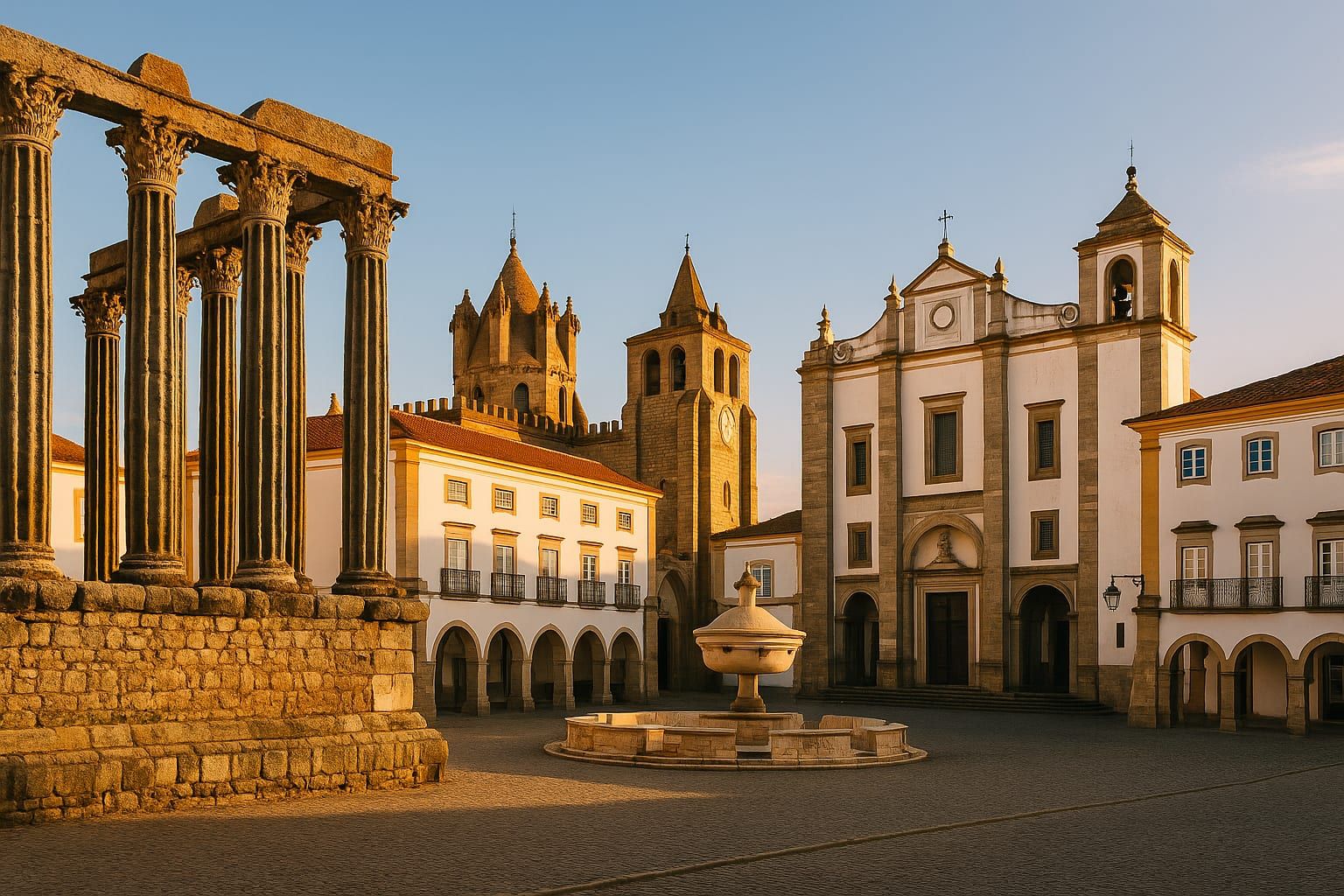
Evora: Portugal's Museum City
Explore Évora, the UNESCO-listed 'Museum City' of Portugal: Roman ruins, a bone chapel, baroque museums, Alentejo cuisine and easy day-trip access from Lisbon.
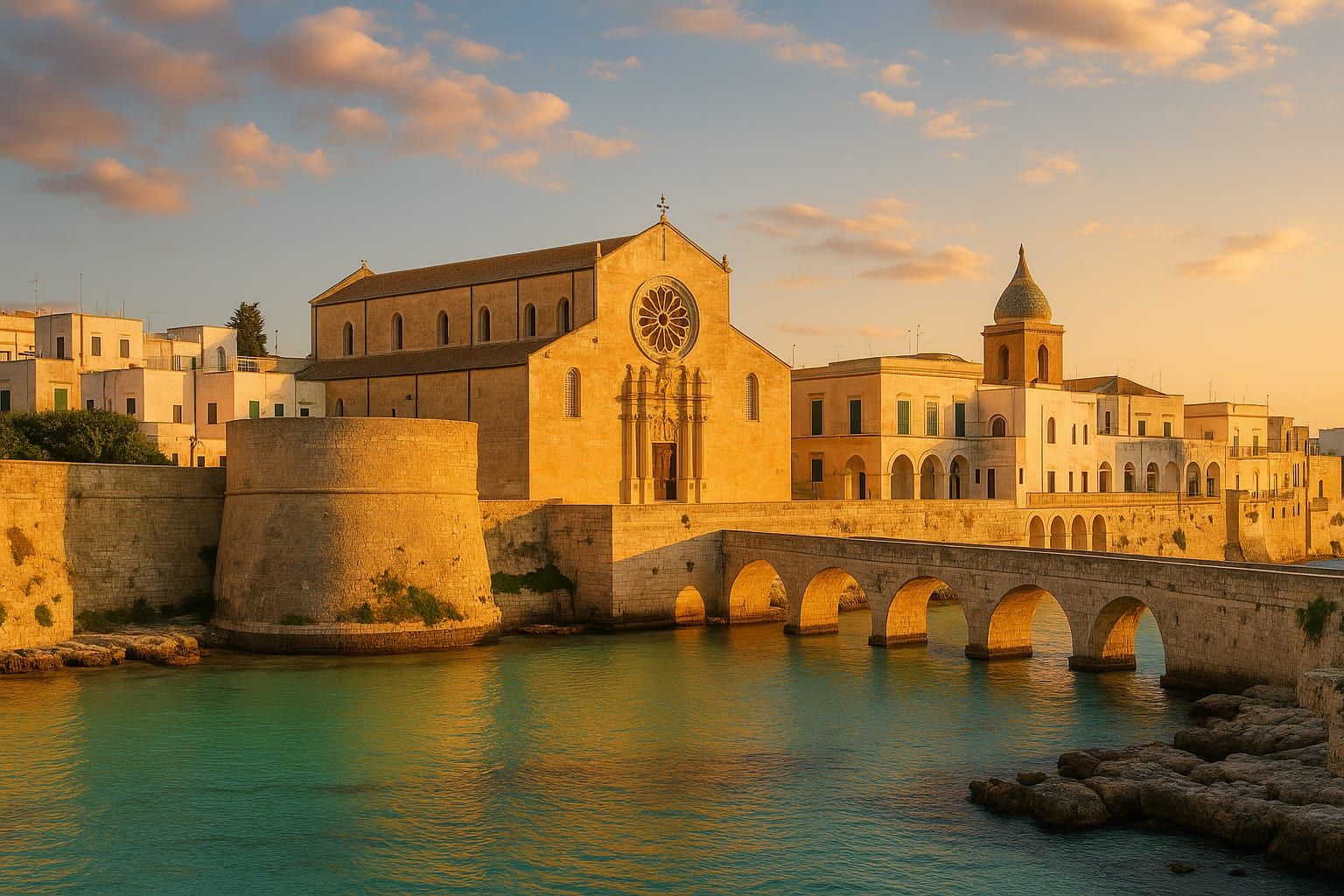
Otranto: Where Italy Meets the Orient
Discover Otranto, Puglia’s easternmost gem where Italy faces the Adriatic and the Orient: a living crossroads of history, mosaics, sunlit harbors, and unforgettable seafood.
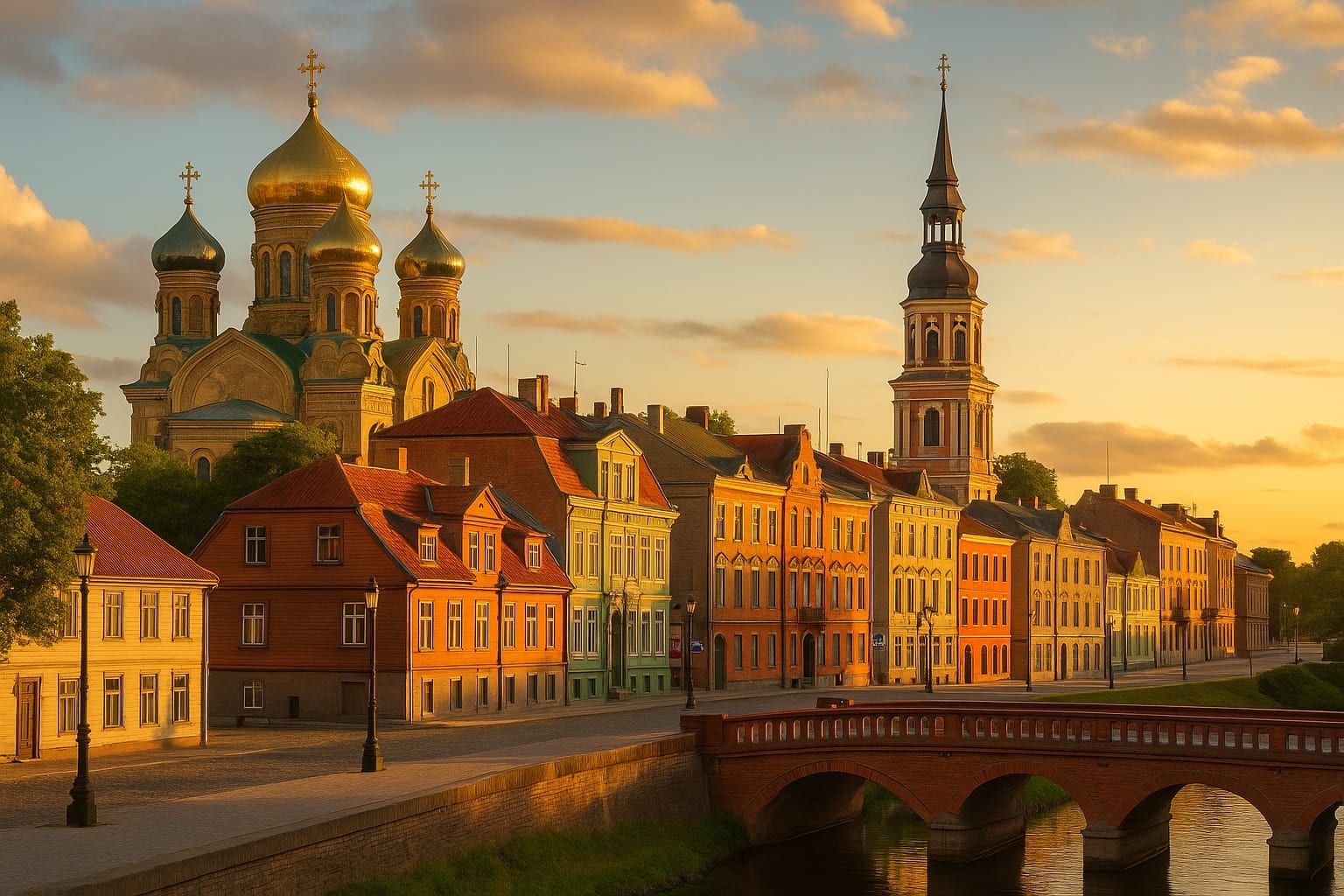
Liepāja — Latvia's City of Wind & Music
Liepāja, on Latvia’s Baltic coast, is a windswept, music-soaked city of beaches, Soviet-era intrigue and a thriving cultural scene—perfect for curious travelers.