
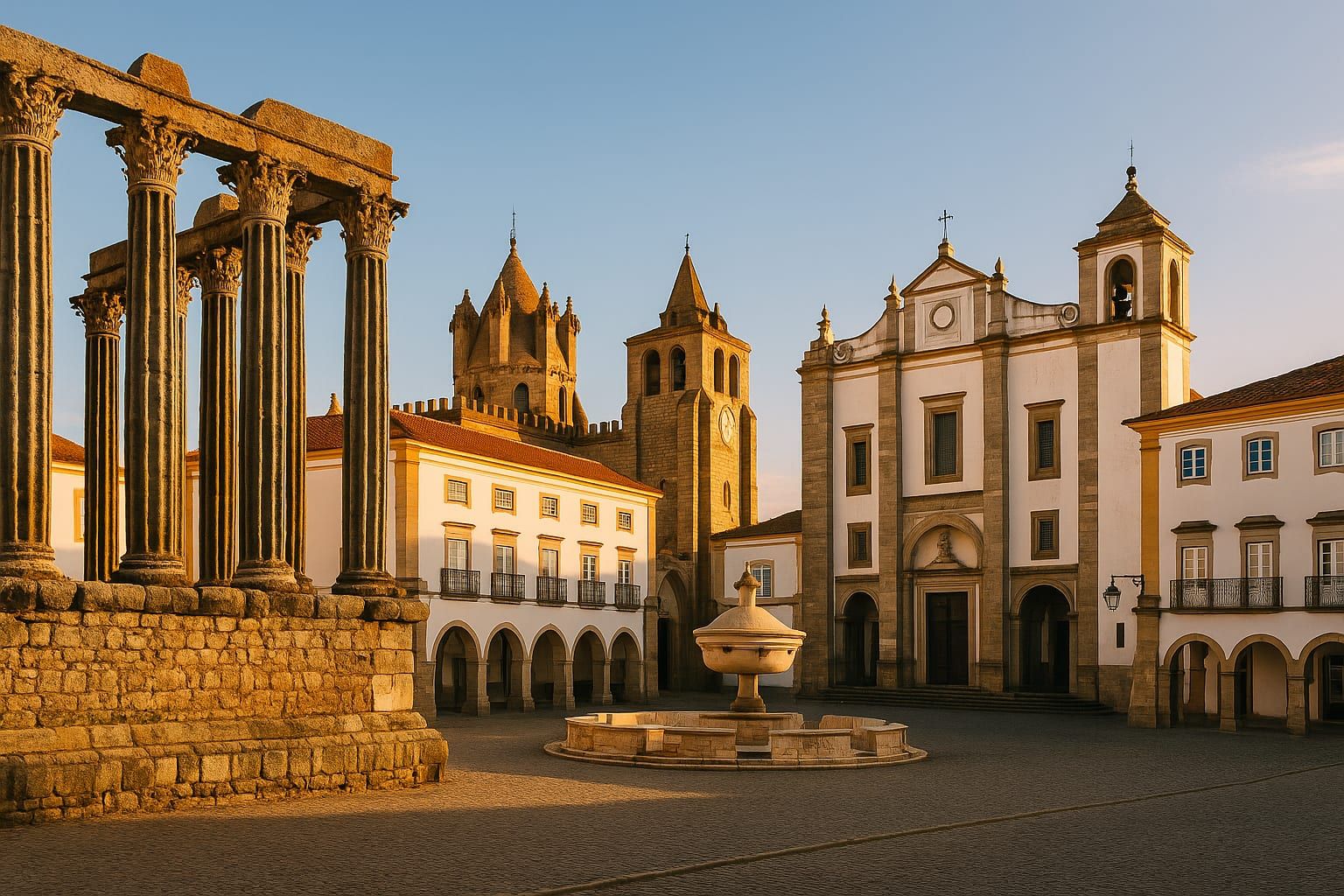
Explore Évora, the UNESCO-listed 'Museum City' of Portugal: Roman ruins, a bone chapel, baroque museums, Alentejo cuisine and easy day-trip access from Lisbon.
Evora: Portugal's Museum City
Nestled in the rolling plains of Alentejo, Évora (often written Evora) is a city where layers of history sit side-by-side: Roman temples, medieval cathedrals, baroque palaces and modern cafés. Recognized as a UNESCO World Heritage Site in 1986, Évora feels like an open-air museum — but it’s a living city with students, markets and a strong regional food culture. This guide will help you make the most of a visit: what to see, where to eat, how to get there from Lisbon, practical tips and local insights.
Why Évora is called the "Museum City"
Évora’s compact historic center is unusually well-preserved. Its narrow, whitewashed streets, monumental churches and Roman remains span centuries of Portuguese history. Highlights that earn it the nickname include:
- The Roman Temple of Évora (Temple of Diana): a striking cluster of granite columns in the heart of the old town.
- The Cathedral (Sé de Évora): a massive medieval fortress-cathedral with rooftop views over the city.
- Capela dos Ossos (Chapel of Bones): decorated with human bones and skulls — a powerful, sombre reminder of mortality.
- Évora Museum: housed in the former archbishop’s palace, with archaeological finds from Roman and Visigothic days and one of the largest Flemish retables in the world.
- Megalithic sites nearby: Almendres Cromlech and the Dolmen of Zambujeiro, echoing prehistoric occupation of the region.
These monuments, along with palaces, convents and the aqueduct that frames much of the cityscape, make Évora feel like a layered museum you can walk through.
Getting to Évora (practical travel options)
Évora is approximately 130–140 km east of Lisbon and makes a natural day trip or a relaxed overnight stop.
- By train: Comboios de Portugal runs services from Lisbon’s Entrecampos and Oriente stations to Évora. Journey time is roughly 1h30–2h depending on the service. Trains are comfortable and reliable — book in advance during peak season.
- By bus: Rede Expressos and other operators connect Lisbon’s Sete Rios station to Évora in about 1h30. Buses can be cheaper and slightly more frequent.
- By car: Driving gives flexibility — it’s about 1h20–1h40 depending on traffic (A2 and A6 routes). Parking near the historic center is available but can be tight; aim for a public lot outside the core and walk in.
If you’re basing yourself in Lisbon and want Évora as part of a longer itinerary, consider combining it with nearby Alentejo towns or adding it to a road trip sequence. For planning around Lisbon, see our One Week in Portugal road-trip guide: /en/itineraries/one-week-portugal-lisbon-to-porto-road-trip.
Top sights and how to visit them
Roman Temple of Évora (Temple of Diana)
A compact group of granite Corinthian columns on a raised platform — the single most iconic image of Évora. Spend 20–40 minutes here to appreciate the contrast of Roman stone against whitewashed houses.
Tips: Come early to avoid tour groups and get better photos with soft morning light.
Sé Cathedral and rooftop views
Constructed 12th–13th century, the cathedral blends Romanesque austerity and later Gothic details. Don’t miss the rooftop walk for panoramic views over the red-tiled roofs of Évora and the surrounding plains.
Tips: The rooftop involves steep steps; if you’re claustrophobic or have mobility issues, consider whether to climb. Visit near sunset for golden light.
Capela dos Ossos (Chapel of Bones)
Part of the Church of São Francisco, the chapel’s walls are decorated with the bones and skulls of thousands of former residents. It’s brief but unforgettable.
Tips: A small entrance fee is charged. The chapel can be emotionally intense — visitors are asked to be respectful and keep voices low.
Évora Museum (Museu de Évora)
Housed in a former archbishop’s palace between the Roman temple and the cathedral, the museum’s collection ranges from prehistoric jewelry (from nearby dolmens) to Roman and medieval artifacts and religious art, including an impressive Flemish retable.
Tips: Combine a museum visit with a stroll through nearby cloisters and the cathedral complex.
Aqueduct and Jardim Diana
The long, brick arches of the Águas Livres aqueduct rise over parts of the city. Walk beneath or beside a section to see how the aqueduct and modern Évora form a single, picturesque landscape.
Nearby megaliths: Almendres Cromlech and Dolmen of Zambujeiro
If you have a car or a guided tour, visit the prehistoric Almendres Cromlech (stone circle) and the Dolmen of Zambujeiro — among the largest megalithic monuments in Iberia.
Practical note: Signs are limited; GPS can help but a guided tour enhances context.
Eating and drinking in Évora: Alentejo flavors
Évora sits in the heart of Alentejo, one of Portugal’s great culinary regions. Local food emphasizes olive oil, bread, pork (including regional black pork), coriander and slow-cooked dishes.
Must-try dishes:
- Açorda Alentejana: a fragrant bread-and-garlic soup often served with a poached egg and coriander.
- Migas: a hearty dish made with bread and often enriched with pork or vegetables.
- Pork Preto and charcuterie: dense, flavorful meats from black Iberian pigs.
- Sericaia: a light, custardy dessert typical of Alentejo.
- Local sheep and goat cheeses, drizzled with regionally produced olive oil.
Wine: Évora is in the Alentejo wine region — sample robust regional reds and crisp whites. Small wine bars and taverns serve by-the-glass tastings.
For Lisbon-based travelers who want to explore Portugal’s food culture further, our Lisbon food guide is a useful companion: /en/food-drink/lisbon-food-guide-bacalhau-pasteis-more.
Dining tips:
- Lunch is often the main meal; many traditional restaurants close between lunch and dinner.
- Ask for the 'menu do dia' (menu of the day) for a good-value option.
- Book ahead for dinner in summer weekends.
Suggested itineraries
One-day itinerary (best if arriving early from Lisbon)
Morning
- Arrive by train or bus.
- Start at the Roman Temple (Templo Romano) and walk to Giraldo Square for coffee.
- Visit the Cathedral (Sé) and climb to the rooftop.
Midday
- Lunch at a local tasca (neighborhood restaurant) — try açorda or migas.
- Visit the Évora Museum and the adjacent cloisters.
Afternoon
- Capela dos Ossos (Chapel of Bones).
- Stroll along the aqueduct and the Jardim Diana; explore small artisan shops.
Evening
- Relax with a glass of Alentejo wine in a terrace bar and catch sunset from a viewpoint near the cathedral.
- Return to Lisbon or stay overnight to soak in evening calm.
Two-day itinerary (relaxed pace + megaliths)
Day 1: Follow the one-day plan and include extra time for wandering galleries, churches and the university area (Évora University gives the city a lively student presence).
Day 2: Rent a car or book a guided tour to visit Almendres Cromlech and the Dolmen of Zambujeiro, then stop at a local vineyard for a tasting. Return to Évora for a slow dinner.
Practical tips and local insights
- Best time to visit: Spring (April–June) and autumn (September–October) for mild weather and fewer crowds. Summers can be very hot (July–August).
- Wear comfortable shoes: The historic center is compact but paved with uneven cobbles and steep streets.
- Tickets and hours: Many monuments charge modest entry fees. Hours vary by season; verify opening times before you go — especially for rooftop access and smaller museums.
- Money: Euros only. Most places accept cards, but small cafés and market stalls may be cash-only.
- Language: Portuguese is the local language; English is widely understood in tourist areas, but a few Portuguese phrases are appreciated.
- Safety: Évora is generally safe; standard travel caution applies (watch your belongings in busy squares).
- Accessibility: Some sites (old churches, rooftops) have limited wheelchair access. The city’s cobbles can be challenging for mobility aids.
- Parking: If driving, aim for public parking at the edge of the historic center and walk in — some streets are restricted to residents.
- Tourist office: The local tourism office (near Giraldo Square) is a good first stop for maps, tickets and event info.
Local insight: Évora after dark is very different from its daytime bustle. Many day-trippers leave in the evening, leaving a quieter city where restaurants fill with locals and the lighting makes monuments glow. If time permits, stay overnight to experience this calmer side.
Where to stay
Évora has a range of accommodations: charming guesthouses and pousadas (historic inns) in converted palaces, boutique hotels in the city center, and budget options near the train station. Staying inside the walls is convenient for walking to sights; expect to pay a premium for the most atmospheric rooms.
Day trips and wider Alentejo ideas
Évora is an excellent hub for exploring Alentejo: cork-oak landscapes, rolling vineyards, whitewashed villages and prehistoric sites. Consider combining Évora with a drive through Alentejo wine country or a stay at a rural quinta (farmhouse) for a taste of slow, countryside Portugal.
If you’re planning a longer stay in Portugal, Évora slots neatly into overland itineraries and complements Lisbon perfectly — see our road-trip suggestions here: /en/itineraries/one-week-portugal-lisbon-to-porto-road-trip.
Responsible travel notes
- Respect sacred spaces: Dress modestly in churches and be quiet in chapels.
- Preserve sites: Don’t touch or climb on fragile ruins or standing stones at megalithic sites.
- Support local businesses: Choose family-run restaurants, local artisans and small tours to ensure the benefits of tourism stay in the community.
Final thoughts
Évora is a compact treasure: a UNESCO-listed “museum city” that rewards slow exploration. Whether you come for the ancient columns of the Roman temple, the intimate shock of the Chapel of Bones, the rich flavors of Alentejo cuisine, or the serene megaliths on the plains beyond, Évora gives a deep and memorable sense of Portuguese history and place. Take your time, follow the shaded alleys, and let the layers of history reveal themselves.
Planning note: for up-to-date travel times, schedules and festival dates, check local resources before you travel and consider an overnight stay to experience Évora’s quieter, atmospheric evenings.
Happy travels — and enjoy Évora’s museum streets and Alentejo hospitality.
Keep Exploring
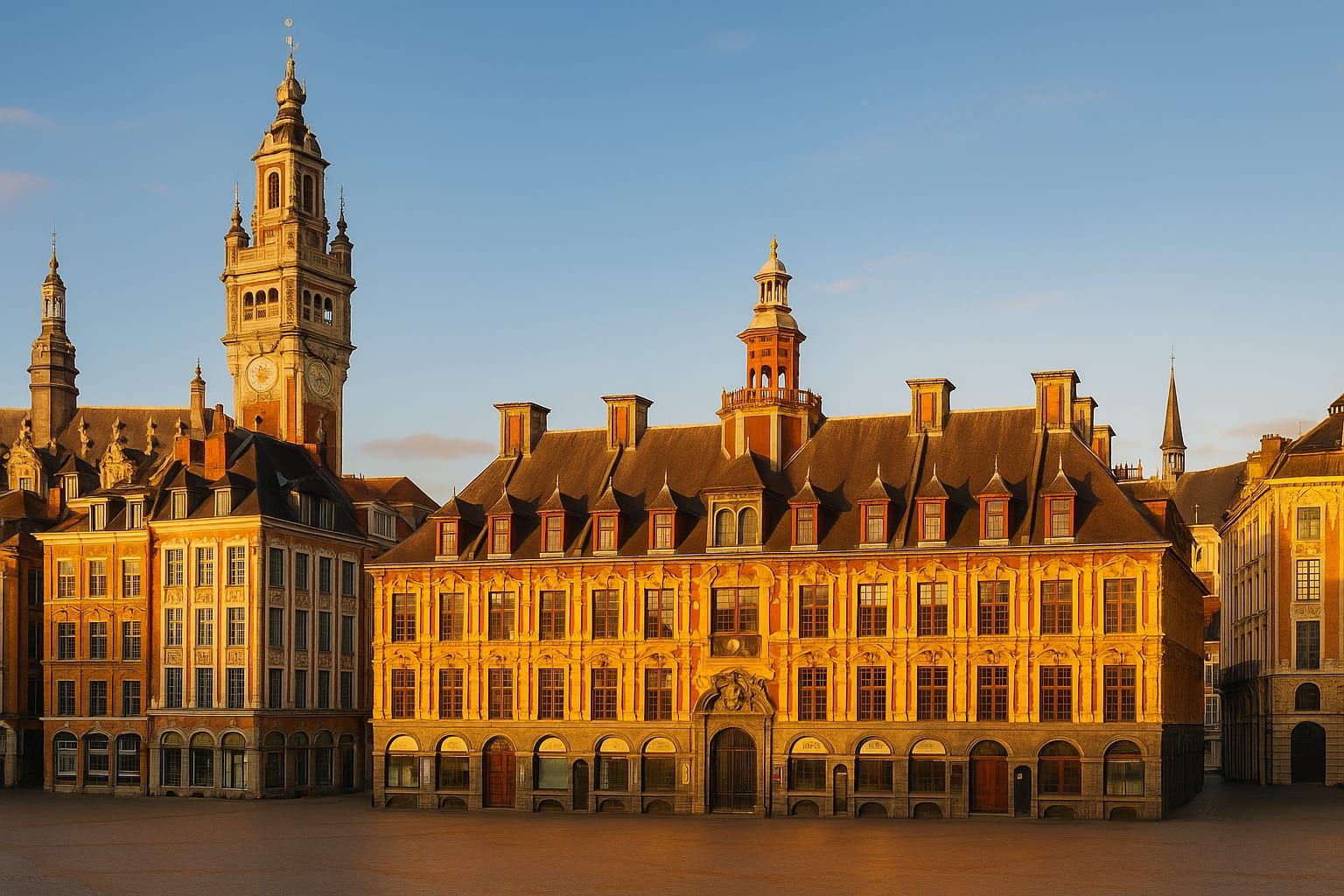
Lille: Northern France's Cultural Powerhouse
Discover Lille — a lively northern French city where Flemish brick facades, world-class museums, buzzing markets and year-round festivals make culture part of daily life.
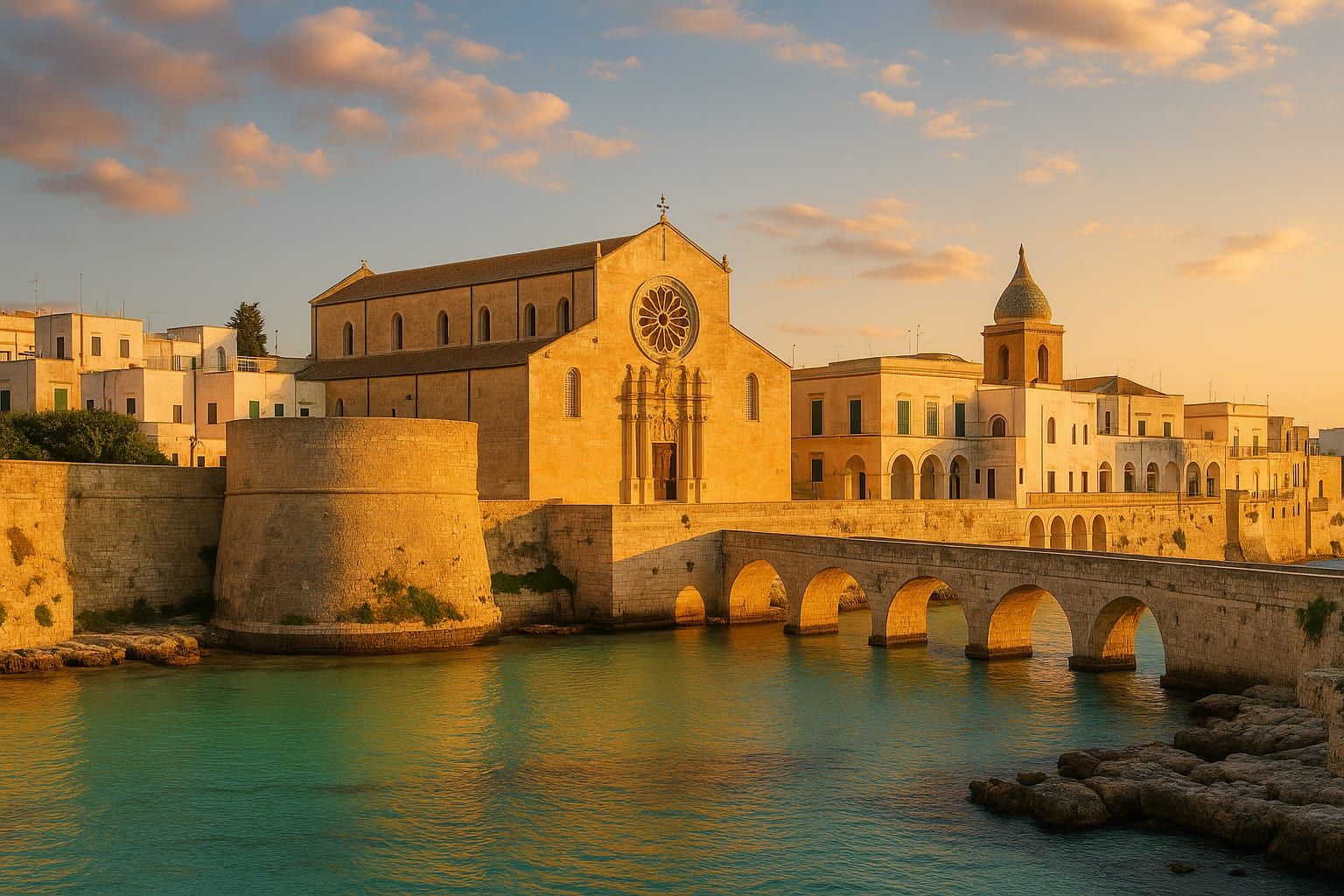
Otranto: Where Italy Meets the Orient
Discover Otranto, Puglia’s easternmost gem where Italy faces the Adriatic and the Orient: a living crossroads of history, mosaics, sunlit harbors, and unforgettable seafood.
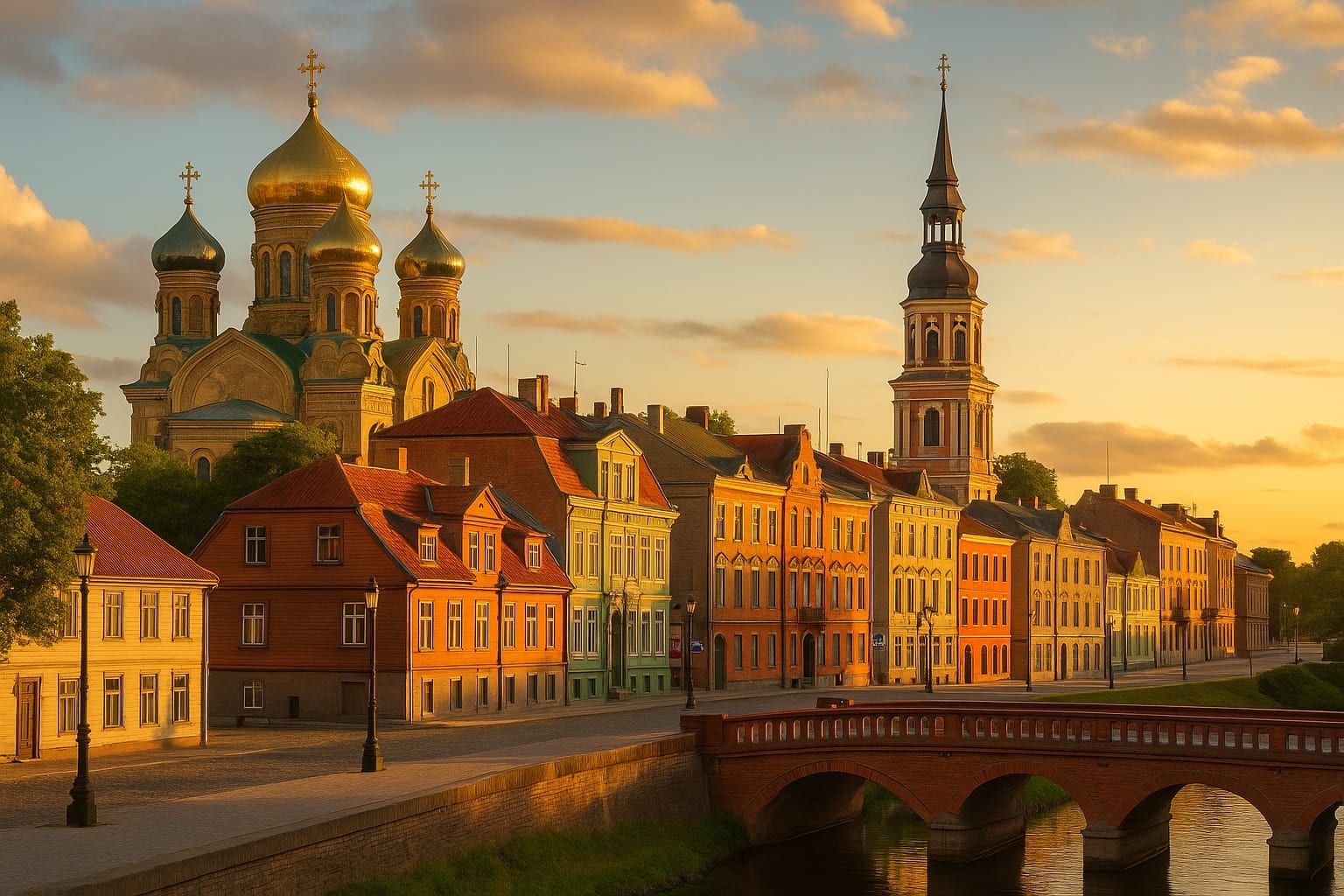
Liepāja — Latvia's City of Wind & Music
Liepāja, on Latvia’s Baltic coast, is a windswept, music-soaked city of beaches, Soviet-era intrigue and a thriving cultural scene—perfect for curious travelers.