
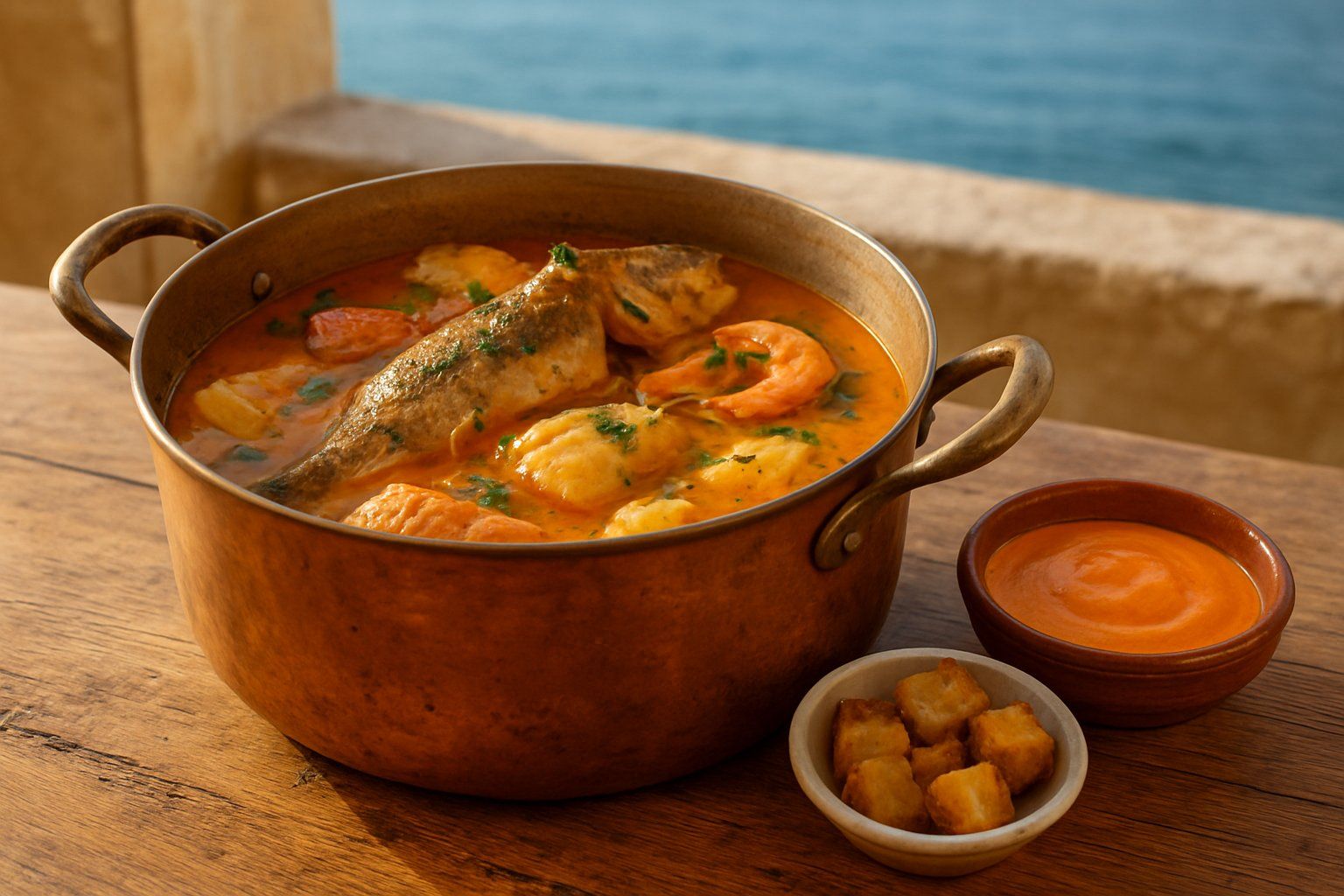
Marseille Food Guide: Where the Mediterranean Meets the World
Bouillabaisse, couscous, and pizza. Discover why Marseille's multicultural food scene is France's most exciting culinary frontier.
Marseille Food Guide: Where the Mediterranean Meets the World
Bouillabaisse, couscous, and pizza. Discover why Marseille's multicultural food scene is France's most exciting culinary frontier.
Marseille's food scene is unlike anything else in France. This isn't Parisian refinement or Lyonnaise tradition—it's something messier, more exciting, and infinitely more diverse. Here, North African spices meet Provençal herbs, Italian pizza traditions blend with Greek influences, and the Mediterranean provides an endless supply of fish that locals have been turning into bouillabaisse for centuries.
This is a city where the best meal might be couscous in Noailles, pizza in Le Panier, or bouillabaisse in a fisherman's cove. Marseille doesn't believe in food rules—it believes in good eating.
Understanding Marseille's Culinary Identity
The Mediterranean Foundation
Marseille's cooking begins and ends with the sea. For 2,600 years, fishermen have worked these waters, and the morning market at the Vieux Port continues a tradition older than most European cities. The fish here—rascasse, Saint-Pierre, rouget, chapon—are the backbone of Marseille's most famous dish.
But Mediterranean also means olive oil, garlic, tomatoes, and herbs. Marseille sits at the junction of Provence and the coast, and its cooking draws from both: the garden vegetables of the interior and the seafood of the sea.
The Multicultural Mix
What makes Marseille unique is its diversity. North African immigration brought couscous and tajines; Armenian communities introduced lahmacun and pastries; Italian arrivals created a pizza tradition distinct from Naples; Vietnamese, Comorian, and West African populations added their own flavors.
The result is a city where you can eat brilliantly from dozens of cuisines—often in the same neighborhood, sometimes on the same plate. This isn't fusion for fashion's sake; it's the organic product of 200 years of migration and mixing.
The Essential Marseille Dishes
Bouillabaisse: The Legend
Bouillabaisse is Marseille's gift to world cuisine—a fish stew that started as fishermen's leftovers and evolved into a celebrated (and expensive) ritual.
The traditional recipe requires specific Mediterranean fish: rascasse (scorpion fish), Saint-Pierre (John Dory), congre (conger eel), and several others. They're simmered in a broth of tomatoes, saffron, fennel, and garlic, then served in two courses: first the broth with croutons and rouille (a spicy, saffron-tinted mayonnaise), then the fish.
Done properly, bouillabaisse takes time and costs money (€50-80 per person at serious restaurants). It's worth it—but only if you choose the right place. Many tourist traps serve inferior versions.
Where to eat bouillabaisse:
Chez Fonfon | Vallon des Auffes The classic. Hidden in a tiny fishing cove, Fonfon has been serving bouillabaisse for over 60 years. The setting is magical—tiny port, bobbing boats, the city feeling miles away. Reserve days ahead.
L'Épuisette | Vallon des Auffes More refined than Fonfon, with one Michelin star and spectacular sea views. The bouillabaisse is excellent, but so is everything else.
Chez Michel | Rue des Catalans Solid traditional version at slightly more accessible prices. The terrace overlooks the Plage des Catalans.
Le Rhul | Corniche Local favorite with terrace overlooking the sea. Less famous than Fonfon, equally delicious.
Beyond Bouillabaisse: Other Seafood
Bourride: A gentler fish stew, based on monkfish and thickened with aioli. Less famous than bouillabaisse, arguably more approachable.
Soupe de poisson: Fish soup, served everywhere, with rouille and gruyère croutons. An affordable taste of Marseille's seafood tradition.
Daurade grillée: Grilled sea bream, simple and perfect with olive oil and lemon.
Oursinade: Sea urchins, eaten raw with bread in winter. An acquired taste, but deeply Marseillais.
Panisse: Street Food Perfection
Panisse is Marseille's humble masterpiece: chickpea flour mixed with water, set into blocks, sliced, and fried until crispy. The outside cracks; the inside is creamy. It's sold at markets, takeaway stands, and increasingly at restaurants reclaiming traditional street food.
Find panisse at the Marché des Capucins, at Chez Caruso near the Vieux Port, or at any good charcuterie.
Navettes: The Sacred Cookie
Navettes are boat-shaped cookies flavored with orange blossom water, traditional to Marseille for over two centuries. Their origins may relate to the legend of the Three Marys arriving by boat—but today they're simply delicious.
Four des Navettes near the Abbaye Saint-Victor has been baking them since 1781. The recipe hasn't changed.
The Multicultural Table
North African Cuisine
The streets around Noailles and Belsunce are Marseille's North African heart—and its most exciting food neighborhood.
Couscous is everywhere: hand-rolled, properly steamed, served with lamb, merguez, or vegetables. Tajines simmer in dozens of restaurants. Brik (fried pastry with egg) and makroud (date-filled semolina cookies) appear at bakeries and street stalls.
Where to eat:
Chez Yassine | Noailles Tiny spot with excellent couscous and tajines. Cash only, no frills, genuinely good.
Le Souk | Cours Julien More polished Moroccan cooking in a bohemian setting. Good for a longer meal.
La Kahéna | Cours Julien Tunisian specialties in a quirky, welcoming space.
Pizza Marseillaise
Marseille has its own pizza tradition, distinct from both Naples and Paris. The crust is thin, the toppings are generous, and the oven is wood-fired. This isn't refined; it's workman's food, perfected over a century.
Chez Étienne | Le Panier The legend. A tiny room, a wood-fired oven, and some of the best pizza in France. No reservations; show up early or wait. Cash only.
Pizza Charly | Multiple locations Local chain with devoted following. The dough is excellent.
La Pizzeria du Palais | Near Palais Longchamp Neighborhood spot with traditional pies.
Armenian & Middle Eastern
Marseille's Armenian community, one of the largest outside Armenia, has contributed significantly to the food scene.
Lahmacun (Armenian/Turkish flatbread), börek (filled pastries), and various grilled meats are available throughout the city. Les Frères Arméniens near the Vieux Port is a good starting point.
The Modern Scene
Marseille's restaurant scene has evolved dramatically. A new generation of chefs—many trained elsewhere, choosing to cook here—is reinterpreting local ingredients with contemporary techniques.
The Standouts
AM par Alexandre Mazzia | Near Palais Longchamp Two Michelin stars for Mazzia's highly personal cuisine, drawing on his African and French heritage. The tasting menus are theatrical, surprising, and deeply individual. Book weeks ahead.
Le Petit Nice | Corniche Three Michelin stars in a stunning seaside location. Chef Gérald Passédat's cuisine is elegant, focused on the sea, and technically flawless. This is splurge territory.
L'Épuisette | Vallon des Auffes One star, beautiful setting, creative seafood. More accessible than Petit Nice, still special.
Saison | Cours Julien Young chef, seasonal menu, natural wines. The neighborhood vibe is casual; the cooking is serious.
Une Table, au Sud | Vieux Port Lionel Levy's restaurant overlooking the port. Mediterranean-focused, beautifully executed, with the best lunch views in the city.
Wine Bars & Small Plates
Marseille's wine bar scene has exploded, led by champions of natural and organic wines.
Le Comptoir Dugommier | Near Gare Saint-Charles The essential Marseille wine bar. Natural wines, excellent small plates, crowded terrace.
La Part des Anges | Vieux Port area Wine shop with tables, perfect for aperitivo hour.
Ô Petit Bonheur | Le Panier Tiny bar with rotating wines and homemade plates.
Markets: The Source
Marché des Capucins (Noailles)
Marseille's most authentic market—chaotic, colorful, and overwhelming. Mountains of vegetables, North African spices, fresh herbs, olives, and meat. This is where Marseille shops, and eating here is essential.
What to try: Fresh panisse, merguez sandwiches, pastries from the surrounding bakeries.
When: Daily, 8am-1pm (closed Sunday)
Marché du Vieux Port
Every morning, fishermen sell the previous night's catch directly from their boats on the Quai des Belges. This is how bouillabaisse ingredients have been sourced for centuries.
When: Daily, 8am-1pm
Marché de la Plaine
Large neighborhood market near Cours Julien with produce, cheese, and a bohemian crowd.
When: Tuesday, Thursday, Saturday mornings
Marché du Prado
Upscale market in the 8th arrondissement with excellent quality and less chaos.
When: Daily except Monday
Neighborhood Guide
Vieux Port & Surroundings
Touristy but essential. The fish market sets the tone; surrounding restaurants range from trap to treasure. Toinou for shellfish on the terrace; Cafe des Epices for modern Provençal.
Le Panier
Chez Etienne for pizza is non-negotiable. Otherwise, explore the small cafés and restaurants tucked into the medieval streets—La Cantinetta for pasta, Le Café des Épices for creative lunches.
Noailles & Belsunce
The multicultural heart. Come hungry, explore widely. Marché des Capucins anchors the neighborhood; surrounding streets offer North African, Middle Eastern, and Asian options.
Cours Julien
Bohemian, young, and increasingly foodie. Wine bars, vegetarian options, creative cooking. La Mercerie for seasonal French; Lacaille for brunch.
Vallon des Auffes
Hidden fishing cove, home to the bouillabaisse classics. Chez Fonfon and L'Épuisette are the draws; come for a full meal, not a quick bite.
Corniche & South
Seafood with views. Le Rhul for traditional; beachside grills at Plage du Prophète for casual.
Practical Information
When to Eat
- Lunch: 12:00-14:00 (many restaurants close between meals)
- Dinner: 19:30-22:00
- Markets: Morning only, typically closed by 13:00
Reservations
Essential for: AM, Le Petit Nice, Chez Fonfon, L'Épuisette
Recommended for: Popular wine bars on weekend evenings
Not needed for: Most casual restaurants, markets, street food
Budget
Marseille is more affordable than Paris:
- Coffee: €1.50-2.50
- Panisse portion: €3-5
- Couscous: €12-18
- Pizza: €10-15
- Restaurant meal: €25-40
- Bouillabaisse (proper): €50-80
- Fine dining tasting menu: €80-180
Tipping
10% is appreciated but not mandatory at restaurants. Round up at bars.
Dietary Notes
Marseille's diversity means options exist for most diets. Vegetarians will find more variety in North African and modern restaurants. Vegans should head to Cours Julien, which has several dedicated spots.
The Verdict
Marseille's food scene is France's most exciting frontier—raw, diverse, and endlessly surprising. This isn't a city of temples to gastronomy (though those exist); it's a city of everyday cooking from a dozen cultures, of fish fresh from the port, of traditions that never ossified.
Eat bouillabaisse where fishermen eat it. Order couscous where it's been made the same way for generations. Grab pizza from a wood-fired oven that's been running for decades. Then find the new wine bar, the young chef, the restaurant that opened last month.
Marseille is having a moment. Its table has never been more interesting.
Exploring Marseille beyond the plate? Check out our complete Marseille City Guide for the full experience—from the Vieux Port to the Calanques.
Keep Exploring
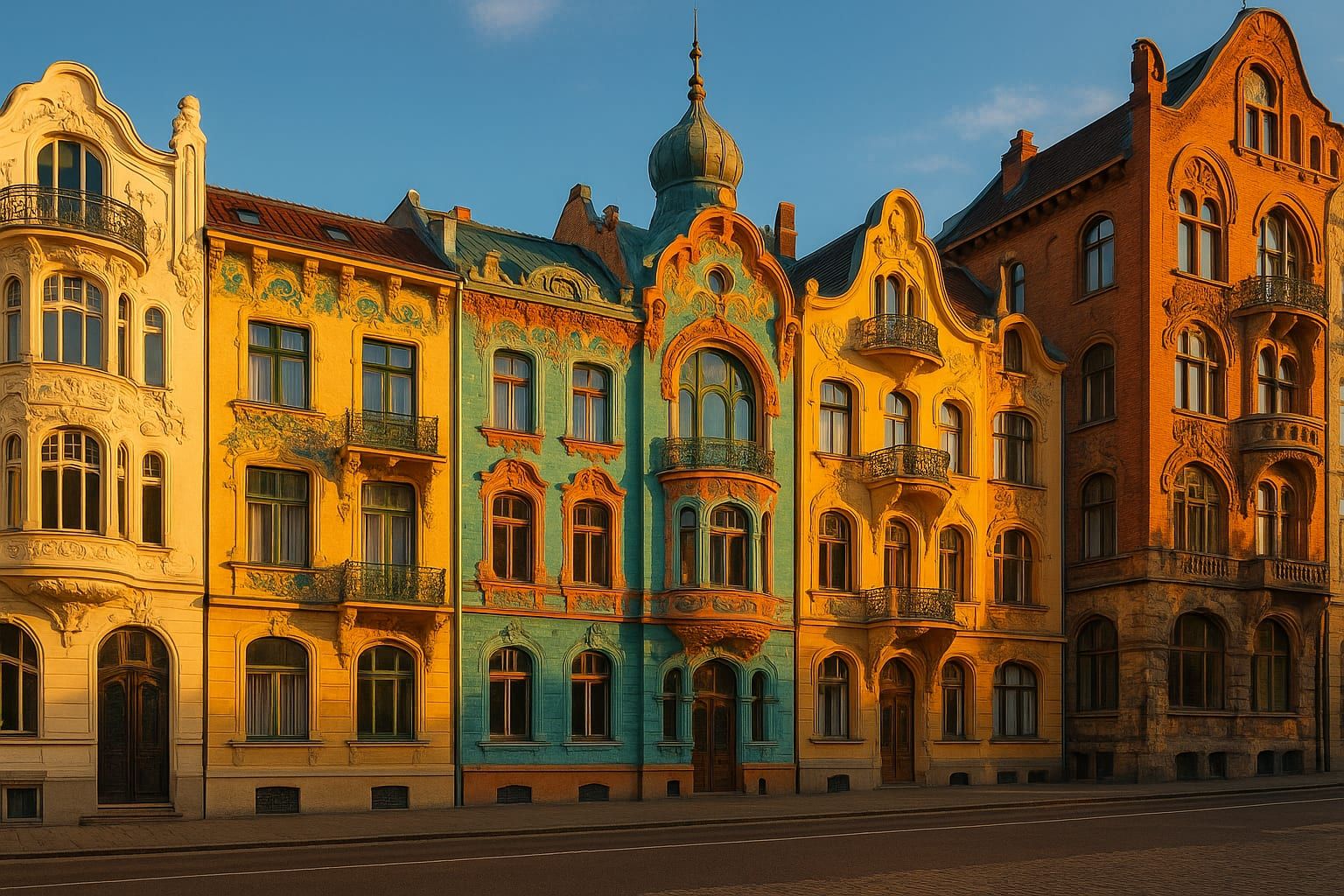
The Art Nouveau Trail: Europe's Most Beautiful Buildings
Discover Europe's finest Art Nouveau and Modernisme — from Riga's ornate façades to Gaudí's Barcelona masterpieces. A practical guide to must-see buildings, walking routes and local tips.
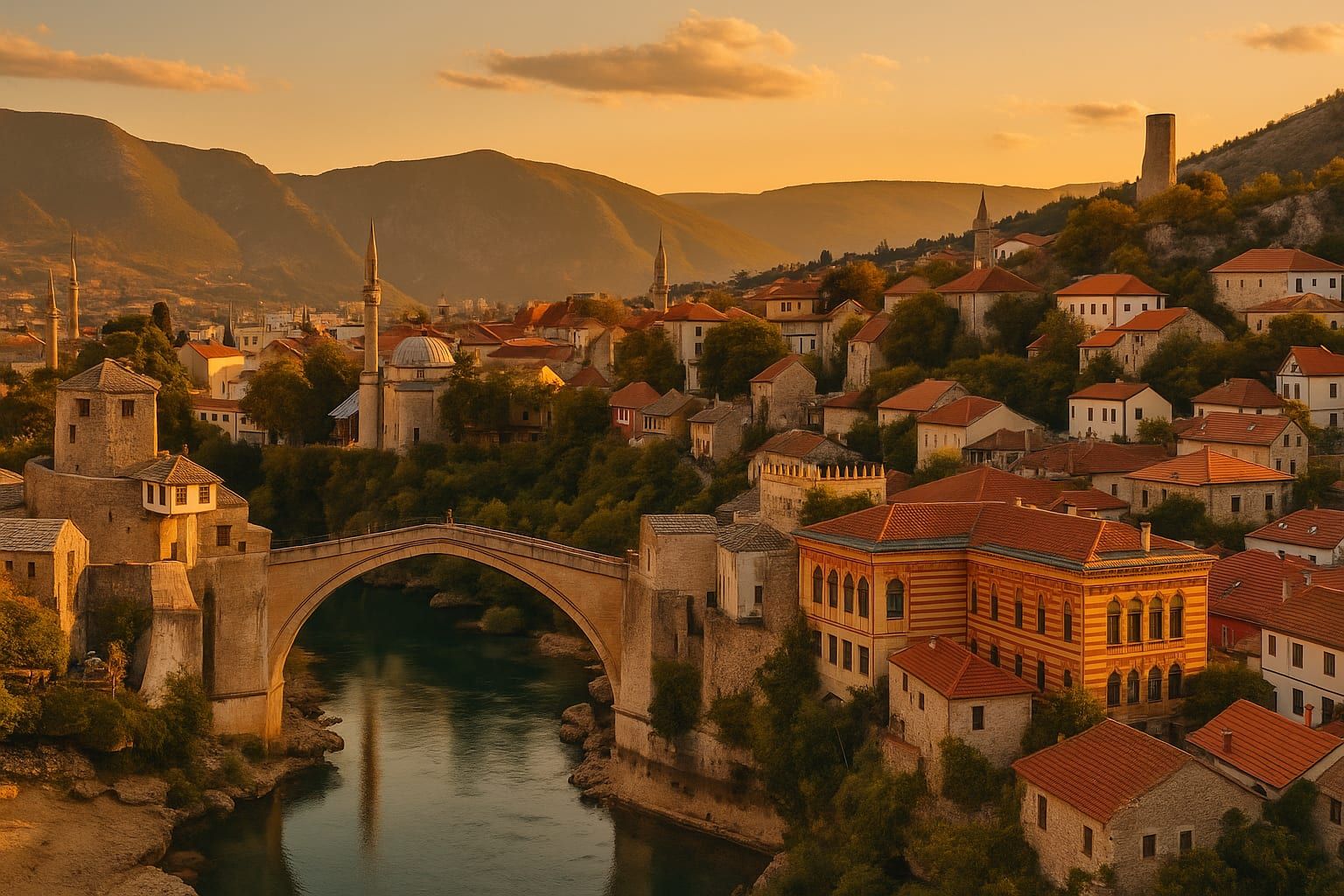
Understanding the Balkans: History & Culture
A traveler's guide to the Balkans that untangles history, explains cultural diversity, and gives practical tips — from food and festivals to routes and local etiquette.
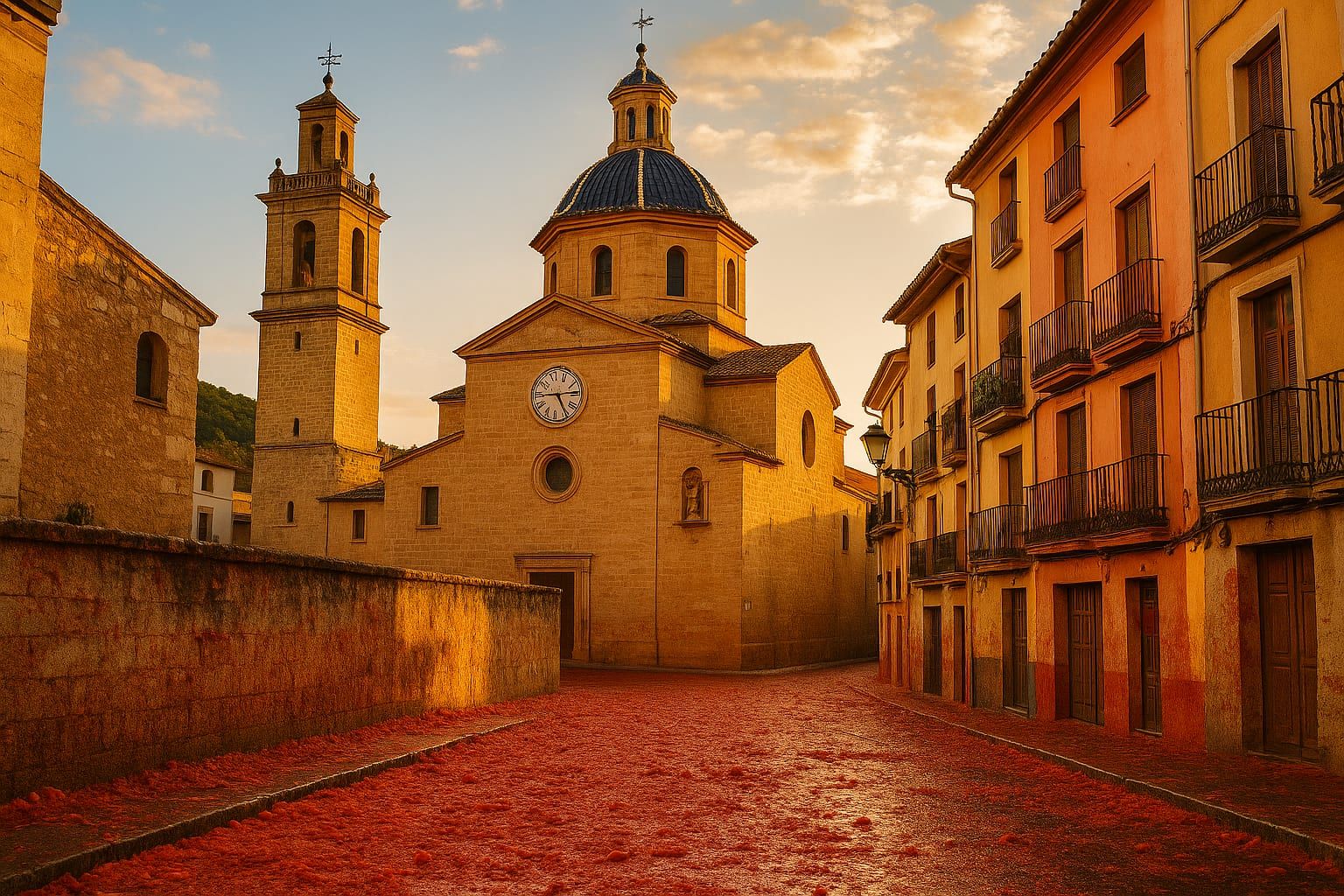
La Tomatina & Spain's Craziest Festivals
From Buñol’s tomato-soaked streets to bull runs and firework-soaked plazas, explore La Tomatina and Spain’s wildest festivals with practical tips, history, and local insights.