
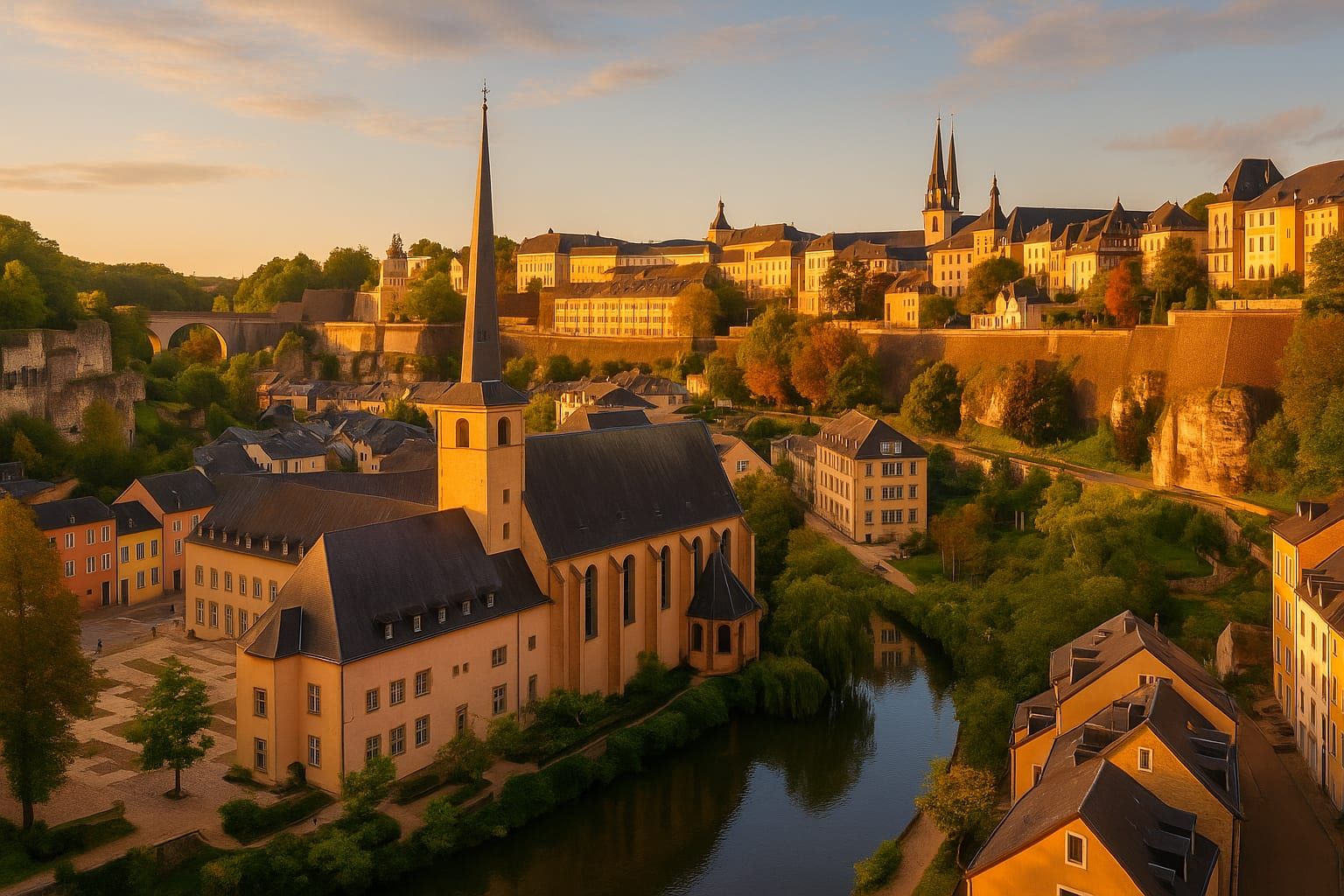
Luxembourg City: Europe's Most Underrated Capital
Discover why Luxembourg City — with its UNESCO old town, cliff-side casemates, riverside Grund, and world-class food — is Europe’s most underrated capital.
Luxembourg City: Europe's Most Underrated Capital
Nestled between France, Germany and Belgium, Luxembourg City often slips under the radar while Europe’s big capitals hog the headlines. Yet this compact capital delivers a rare combination: dramatic medieval fortifications, elegant 19th-century boulevards, modern European institutions, and pockets of village-like charm — all within a walkable cityscape. For travelers who love history, good food, and scenic strolls without the crush of crowds, Luxembourg City is a rewarding discovery.
Why Luxembourg Feels Underrated
There are a few reasons Luxembourg City remains a secret for many travelers. The country itself is tiny, and its capital lacks the overpowering ‘must-see’ monuments of Paris or Rome. But that subtlety is precisely its strength: Luxembourg rewards slow travel. The UNESCO-listed Old City clings to cliffs cut by deep gorges; below, the Grund’s riverside terraces hum with cafés and bars. Above, wide promenades and grand bridges give the city an airy, unhurried feel.
Rather than shouting for attention, Luxembourg invites you to explore — from the winding Casemates du Bock beneath the city to quiet parks where locals picnic. It’s refined, multilingual, and effortlessly European — a crossroad of cultures that often gets overlooked by travelers prioritizing headline capitals.
Quick facts to know
- Official languages: Luxembourgish, French and German. English is widely spoken.
- Currency: Euro.
- Public transport: Trains, trams and buses are free nationwide (a major budget win).
- UNESCO: The Old City and its fortifications are a World Heritage Site.
- Airport: Luxembourg Findel (LUX) with good rail links to the city.
Top sights and experiences
Casemates du Bock — underground history
The Casemates are a labyrinth of tunnels carved into the Bock promontory. These defensive galleries once sheltered soldiers and civilians, and today they offer atmospheric walking tours and dramatic viewpoints over the Alzette and Pétrusse valleys. Guided tours (available in English) are recommended for historical context.
The Old Town & Grand Ducal Palace
Wander the cobbled streets around Place Guillaume II and the pedestrian zone. The Grand Ducal Palace (the official residence of Luxembourg’s head of state) is understated but elegant — watch the changing of the guard in summer, or admire its Renaissance façade from the square.
Grund & Clausen — riverside charm and nightlife
Descend into the Grund, Luxembourg’s postcard-worthy valley with stone bridges, waterside terraces and centuries-old buildings. Across the Alzette, Clausen thrives as the city’s nightlife quarter — think stylish wine bars and lively cafés in atmospheric settings.
Adolphe Bridge & Pétrusse Park
The Adolphe Bridge is an icon of Luxembourg, arching gracefully over the valley and framing views of the old fortifications. Pétrusse Park below is perfect for a quiet walk, especially in spring when the valley fills with blossoms.
Museums: MNHA and MUDAM
- MNHA (National Museum of History and Art) showcases archaeology, history and fine arts — excellent for understanding Luxembourg’s layered past.
- MUDAM (Musée d’Art Moderne Grand-Duc Jean) is a striking contemporary art museum set in modern surroundings, perfect for design and art lovers.
Panoramic viewpoints
The Corniche is often billed as “Europe’s most beautiful balcony” — a narrow promenade with sweeping city views. For different angles, try the walkways around the Bock, or take the Pfaffenthal lift for a quick, scenic descent from the Ville Haute.
Food, drink and local flavors
Luxembourgish cuisine reflects French refinement and German heartiness, with Belgian influence close by. Don’t miss:
- Gromperekichelcher (crispy potato pancakes) from street markets.
- Bouneschlupp (green bean soup) — a comforting local staple.
- Moselle wines — Luxembourg produces excellent white wines along the Moselle Valley; try local pinot gris and riesling varieties.
- High-quality patisseries and chocolatiers — Luxembourgers take their sweets seriously.
Dining out ranges from Michelin-starred restaurants to friendly brasseries. For a relaxed evening, head to a riverside terrace in the Grund or a tucked-away bistro in the Old Town.
Day trips that extend the magic
Luxembourg City is a superb base for short excursions:
- Vianden Castle — a dramatically restored medieval castle set over the Our River.
- Mullerthal (the "Little Luxembourgish Switzerland") — short hikes through sandstone gullies and pine forests.
- Moselle wine route — vineyard drives, cellar visits and tastings in charming riverside villages.
- Trier (Germany) — one of Germany’s oldest cities with Roman ruins, just a short train ride away.
If you’re planning a longer tour of underrated European cities, consider blending Luxembourg into a multi-stop itinerary — it pairs especially well with quieter, characterful destinations in the region and features on lists like 5 Underrated European Cities to Visit Before They Go Mainstream (/en/hidden-gems/5-underrated-european-cities-visit-before-mainstream). For a quick city break focus, see our guide to Best Long Weekend Destinations in Europe (/en/weekend-getaways/best-long-weekend-destinations-europe).
Practical tips & local insights
When to go
Spring (April–June) and autumn (September–October) offer the best balance of mild weather and manageable crowds. Summer brings festivals and longer daylight, but also more tourists. Winters are crisp; Christmas markets are small but atmospheric.
Getting around
One of Luxembourg’s biggest traveler advantages is free public transport across the country — buses, trains and trams within Luxembourg are free, making day trips and city travel very budget-friendly. The city is compact but hilly; comfortable shoes are a must. Use the Pfaffenthal panoramic elevator or the funicular to save energy on steep sections.
Money and costs
Luxembourg is one of Europe’s pricier capitals. Save by booking lunch menus (menu du jour), eating from boulangeries, or shopping at local supermarkets. If you’re traveling Europe on a tight budget, strategies in How to Travel Europe on €50 a Day (/en/budget-travel/how-to-travel-europe-on-50-euros-a-day) are useful here.
Where to stay
- Ville Haute (Old Town): best for first-time visitors who want history and walkability.
- Grund / Clausen: atmosphere and nightlife, excellent for evenings by the river.
- Gare (train station area): practical for budget stays and easy train connections.
Book early during peak seasons; boutique hotels and well-located guesthouses often sell out for weekends and festivals.
Language and etiquette
Most locals speak Luxembourgish plus French and German; English is common. Being multilingual is part of daily life here, so a few words in French or German are appreciated but not required. Dress tends to be smart-casual; locals value politeness and punctuality.
Safety and accessibility
Luxembourg City is very safe and family-friendly. Many museums and public spaces are accessible, and the public transport network includes elevators and ramps at major hubs. If you have mobility concerns, contact attractions in advance to confirm accessibility options.
Festivals and local events worth timing your visit for
- Schueberfouer: Luxembourg’s long-running funfair (late summer) is a local institution — think rides, food stalls and family fun.
- Philharmonie and cultural season: the city hosts excellent classical concerts and cultural programming year-round.
- Local wine festivals along the Moselle in autumn celebrate the harvest and showcase regional vintages.
Sample 48-hour itinerary
Day 1: Morning at the Corniche and Grand Ducal Palace; midday MNHA; afternoon Casemates and Bock; evening dinner in Clausen.
Day 2: Morning walk through Grund and Pétrusse Park; late morning visit to MUDAM; afternoon tram to Kirchberg to see the modern side of the city and European institutions; sunset from the Adolphe Bridge.
Local tips that make a difference
- Take the guided Casemates tour early to avoid groups.
- Try a wine tasting at a Moselle cooperative for a friendly, affordable experience.
- If you love bakeries, buy a morning pastry and picnic in the Pétrusse valley.
- Use the city’s free public transport to leapfrog uphill sections instead of struggling up steep streets.
Why you’ll love it
Luxembourg City is a place for those who appreciate subtlety over spectacle. It feels cosmopolitan without being crowded, historic without feeling like a museum, and small enough to explore deeply in a long weekend yet rich enough to reward slower travel. The city's mix of rock-cut fortifications, chic cafés, riverside scenes, and approachable culinary pleasures makes it feel like Europe distilled — an underrated capital for discerning travelers.
Ready to plan a visit? Pack comfortable shoes, leave space for wine and chocolate discoveries, and schedule at least one slow, aimless afternoon to get lost in the lanes of Luxembourg’s Old City.
For more underrated city inspiration and practical weekend planning, see our roundups on Best Long Weekend Destinations in Europe (/en/weekend-getaways/best-long-weekend-destinations-europe) and the list of 5 Underrated European Cities to Visit Before They Go Mainstream (/en/hidden-gems/5-underrated-european-cities-visit-before-mainstream). If you’re watching your budget, tips from How to Travel Europe on €50 a Day (/en/budget-travel/how-to-travel-europe-on-50-euros-a-day) will help you stretch your euros in Luxembourg and beyond.
Written by
City Voyager
City Voyager is a team of travel writers and explorers dedicated to uncovering hidden gems, local culture, and authentic experiences in cities around the world.
Keep Exploring
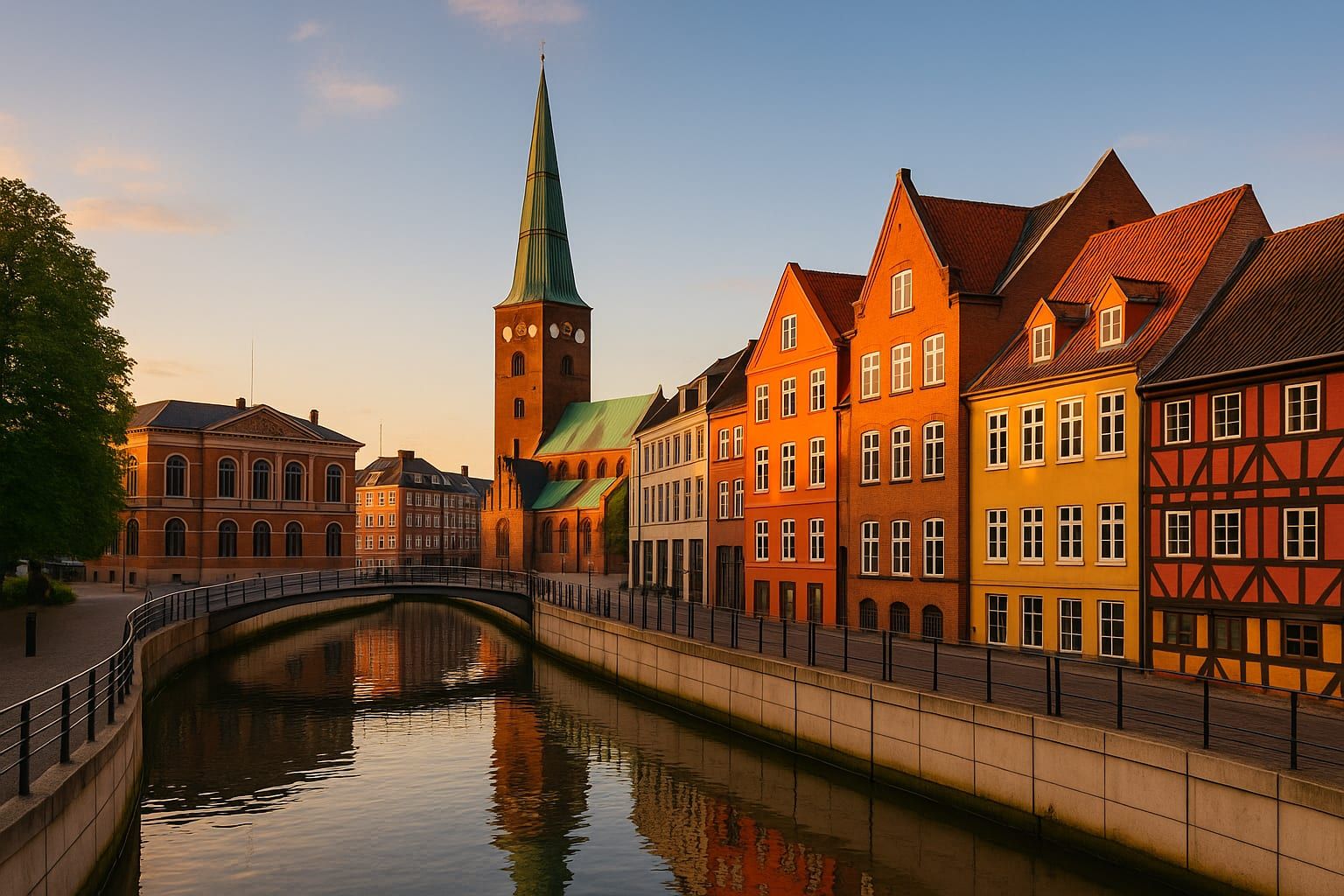
Aarhus: Denmark's Second City, First in Culture
Discover Aarhus — a youthful, design-driven Danish city where Viking history meets cutting-edge art, world-class food and effortless coastal living. Practical tips included.
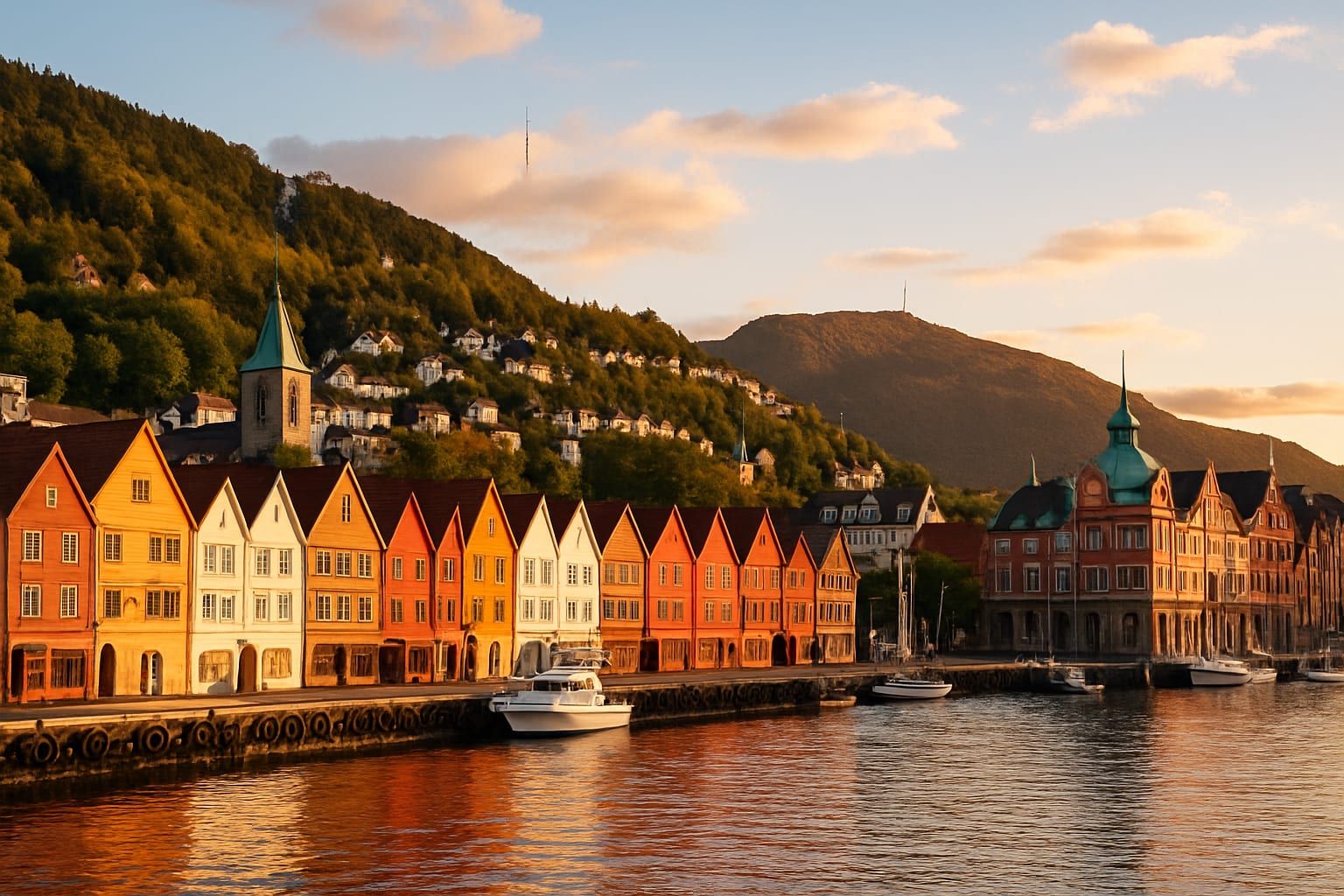
Bergen: Norway Beyond the Fjords
Discover Bergen beyond its fjord postcard: UNESCO-listed Bryggen, vibrant food scene, mountain hikes, museums, island escapes and practical local tips for a memorable visit.
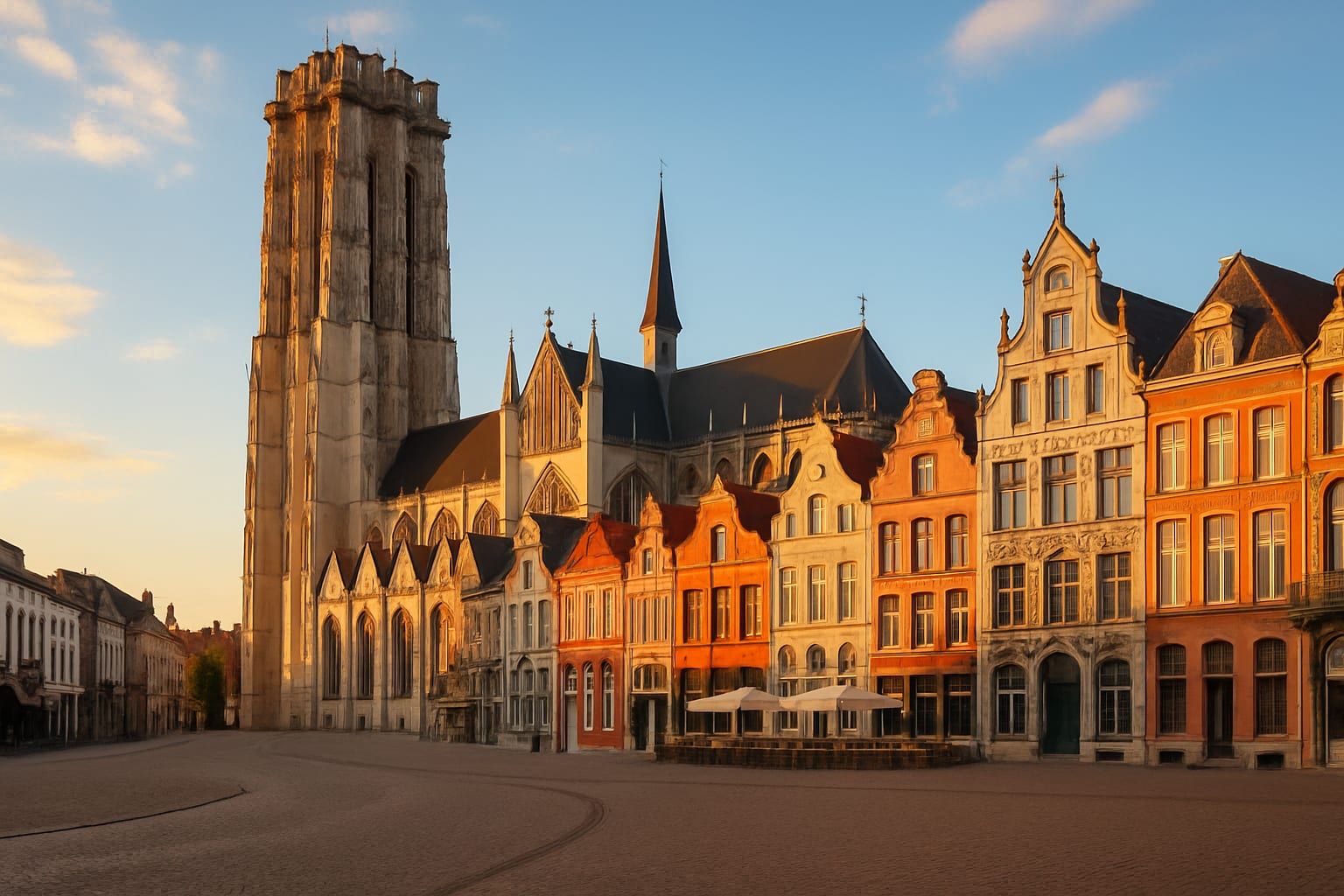
Mechelen: Belgium's Best-Kept Secret
Nestled between Brussels and Antwerp, Mechelen is a compact, medieval city with soaring towers, a vibrant beer scene, peaceful beguinages and river paths — Belgium without the crowds.