
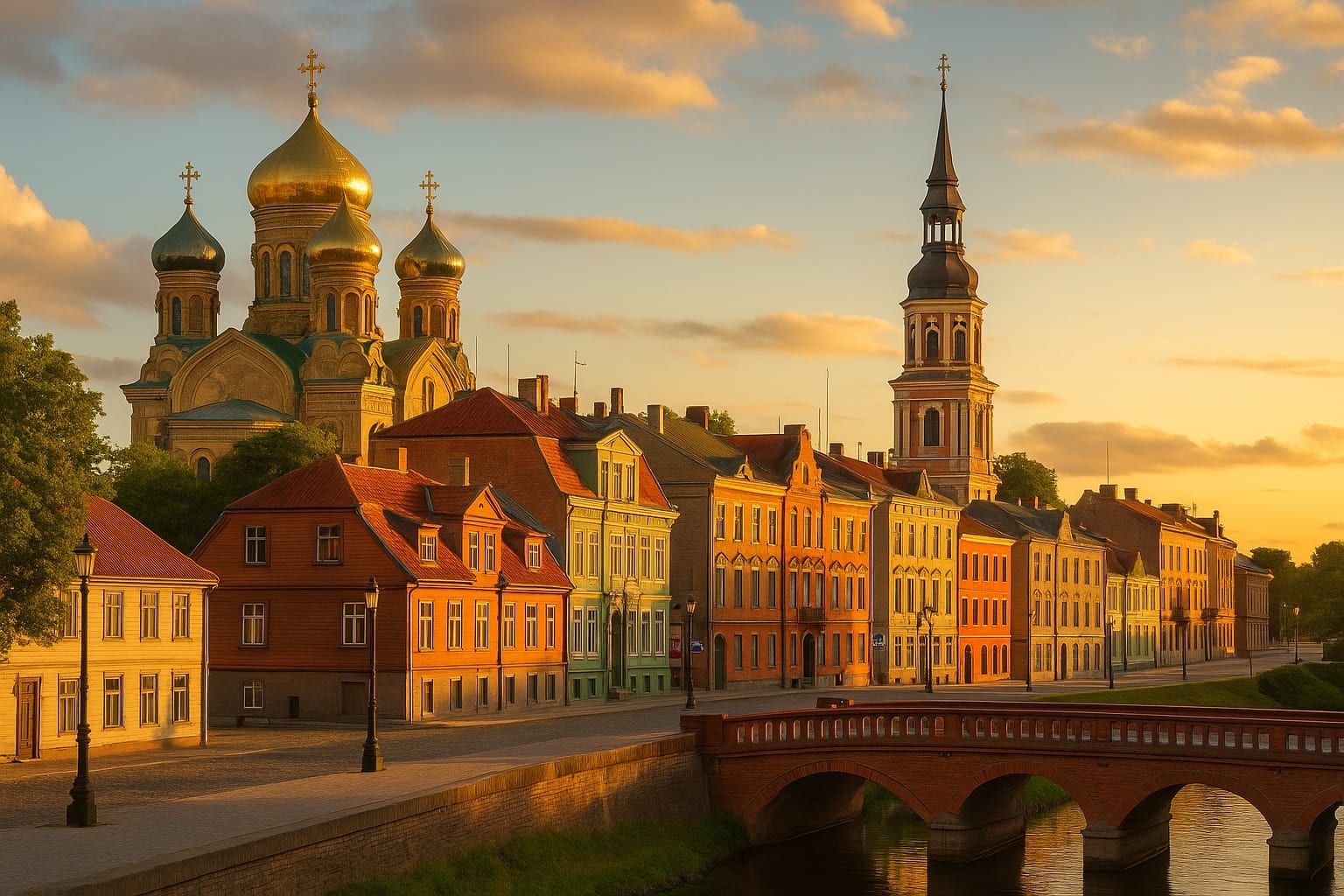
Liepāja, on Latvia’s Baltic coast, is a windswept, music-soaked city of beaches, Soviet-era intrigue and a thriving cultural scene—perfect for curious travelers.
Liepāja — Latvia's City of Wind & Music
Perched on the Baltic Sea where brisk breezes shape streets and seaside pines, Liepāja is one of Latvia’s most distinctive coastal cities. Nicknamed “the city where the wind is born,” its identity is a blend of breezy beaches, an earnest music scene, military history, and a relaxed seaside pace. Whether you’re a festival-goer, a history buff fascinated by Soviet-era relics, or a traveler looking for offbeat Baltic charm, Liepāja delivers.
Why visit Liepāja?
- A coastal city with a long Blue Flag beach and a 3-kilometer Seaside Park perfect for strolls.
- A surprisingly rich music culture — from intimate rock cafés and street musicians to orchestras and open-air concerts.
- Karosta, a former military port area with dramatic Soviet architecture, a naval cathedral and a notorious prison that you can tour.
- A compact Old Town filled with cafes, wooden houses and Art Nouveau touches, ideal for exploring on foot.
Getting there and getting around
- From Riga: Liepāja is about 3–4 hours from Riga by car or bus; train services run regularly but can take a similar amount of time. If you’re planning to split time between the two, see our 3 Days in Riga for ideas on combining city itineraries: /en/itineraries/3-days-in-riga-art-nouveau-capital.
- By air: Liepāja has a small regional airport with limited routes; most international travelers arrive via Riga.
- Around town: Liepāja is compact and walkable. Buses and taxis are available; bikes are popular for the seaside promenade and park.
Practical tip: bring a windproof jacket year-round. The sea breeze is part of the charm—but it can also make temperatures feel much cooler than the forecast.
When to visit
- Late spring to early autumn (May–September) is the best time for beaches, outdoor concerts and festivals.
- Summer offers the most daylight and the liveliest calendar of cultural events.
- Winters are quiet, atmospheric and very local — a good time to explore Karosta without the crowds but expect cold winds.
Main attractions
Seaside Park and Blue Flag Beach
Liepāja’s broad sandy beach stretches along a long Seaside Park shaded by pines. The beach holds the Blue Flag designation in many years, meaning clean water and good facilities. It’s an ideal place for long walks, sunrise sessions and relaxed beach days.
Local insight: pick a bench by the water and listen — the wind, the waves and occasional live music from nearby cafes define the city’s soundtrack.
Karosta: naval history and the prison experience
Karosta is Liepāja’s most dramatic neighborhood: a district built for Imperial Russia and later adapted for the Soviet navy. Highlights include the Karosta Naval Cathedral (the Orthodox St. Nicholas Cathedral), wide military avenues, and the Karosta Prison, where guided tours allow visitors to experience reconstructed cells and hear stories of life here in wartime and Soviet times.
Tip: Karosta is atmospheric but can feel raw — visit with an open mind and consider a guided tour to get the full historical context.
The Northern Forts and lighthouse
Just off the coast lie sea forts and a distinctive lighthouse area where history meets rugged coastal scenery. The reclaimed fort islands and coastal defenses tell the story of Liepāja’s strategic role on the Baltic.
Old Town, music corners and Alley of Fame
Liepāja’s Old Town is small but lively: cafes, bakeries, and wooden houses sit beside examples of later brick architecture. Walk the streets and you’ll find music everywhere — small stages, live street performances and murals honoring the city’s creative sons and daughters. Near one of the central squares is the Alley of Fame, a tribute to local musicians and the early rock-cafe culture that helped shape Latvian rock.
Cultural note: Liepāja has a proud rock and contemporary music legacy — local musicians, bands and venues have long made the city a key node in Latvia’s musical map.
Museums and galleries
- Liepāja Museum covers local history, seafaring and culture.
- Small galleries and cultural centers host rotating exhibitions, often with a modern or experimental edge.
Food and drink
Liepāja’s culinary scene is casual and sea-influenced. Look for:
- Fresh and smoked fish — Baltic herring and local catches are often on menus.
- Traditional Latvian bites: pīrāgi (bacon buns), hearty soups, dark rye bread and seasonally inspired dishes.
- Cozy cafes with strong coffee and pastries — Latvia has a vibrant coffee culture; if you plan to explore more Latvian food culture in the capital, see our piece on Riga’s food and coffee scene: /en/local-culture/riga-food-coffee-scene-latvia-culinary-revival.
Local tip: try small seafood restaurants near the promenade for sunset views and local beers.
Music and nightlife
The beating heart of Liepāja is its music scene. From decades of rock lineage to contemporary electronic and classical performances, there’s a strong musical current:
- Rock cafés and small venues host local bands and touring acts.
- Open-air concerts in Seaside Park and squares are common in summer.
- Local orchestras and choirs maintain a strong classical tradition, and occasional festivals bring international talent.
Evening vibe: after dinner, follow the music — venues are often compact and intimate, making it easy to discover new artists.
Sample 48-hour itinerary
Day 1
- Morning: Arrive and stroll the Seaside Park to the Blue Flag beach. Coffee at a seaside café.
- Late morning: Explore Old Town — visit Liepāja Museum and the Alley of Fame.
- Lunch: Try smoked fish and a Latvian salad at a local bistro.
- Afternoon: Karosta tour — see the Naval Cathedral and take the Karosta Prison experience.
- Evening: Dinner in Old Town followed by live music at a rock café.
Day 2
- Morning: Bike or walk the promenade; head to the northern lighthouse area for coastal views.
- Midday: Eat at a seafood restaurant near the harbour.
- Afternoon: Museum or gallery hopping, and pick up locally made crafts or amber souvenirs.
- Evening: Check the calendar — summer can offer an outdoor concert in the park; otherwise, find a cozy venue for local bands.
Beyond the city: day trips and slower explorations
Liepāja makes a great base for exploring the Kurzeme (Courland) coast. Rent a car for scenic drives to small fishing villages, dune landscapes and nature reserves. If your Latvian trip includes the capital, pair Liepāja with Riga for a combined urban and coastal experience.
Practical travel tips
- Currency: Euro (EUR). Card payments are widely accepted, but carry some cash for small stalls and local markets.
- Language: Latvian is the official language; Russian is also widely understood. Younger people and those in tourism often speak English.
- Tipping: Not obligatory but appreciated. Rounding up or leaving 5–10% in restaurants is common.
- Safety: Liepāja is generally safe for travelers. Standard urban precautions — watch belongings in busy spots and be mindful of icy patches in winter.
- Packing: Layers, a windproof jacket, comfortable walking shoes, and, in summer, a light rain layer. Sun can be strong despite the breeze.
- Connectivity: SIM cards are available; Wi-Fi is common in hotels and cafes.
Local insight: if you want to meet musicians or discover underground shows, ask baristas and bartenders for tips — local venues often spread the word informally.
Where to stay
- Old Town: Best for walking access to cafes, museums and nightlife.
- Seaside Park / Promenade: Perfect if you want beach access and quieter mornings.
- Karosta: For adventurous travelers interested in history and unique stays (including guesthouses themed around military history).
Booking tip: in summer book early for festival weekends and July–August stays.
Responsible travel and cultural etiquette
- Respect Karosta’s history and the memorials — this area has a complex past tied to imperial and Soviet military history.
- Leave the beach and parks clean; the local community values the natural coastline.
- Engage with local culture: learning a few Latvian phrases (labdien — hello; paldies — thank you) is appreciated.
Final thoughts
Liepāja is a city of contrasts: the wind shapes its mood, the sea frames its life, and music animates its streets. It’s less polished than larger Baltic destinations, but that’s precisely its appeal. For travelers seeking an authentic coastal city with rich musical roots and a fascinating military past, Liepāja is a rewarding stop on any Latvian itinerary.
If your trip includes the Latvian capital, you can smoothly pair Liepāja with Riga — read our guide to a short stay in Riga for ideas on how to split time between these two complementary cities: /en/itineraries/3-days-in-riga-art-nouveau-capital.
Pack your windbreaker, bring an appetite for fish and music, and expect a city where the breeze carries more than saltwater—it carries songs, stories and a distinct seaside spirit.
Keep Exploring
Šiauliai: Hill of Crosses and Beyond
Discover Šiauliai’s iconic Hill of Crosses and the surprising cultural highlights of Lithuania’s north: museums, local flavours, practical tips and how to plan your visit.
Lviv: Ukraine's Most European City
Discover Lviv's Austro‑European charm, top sights, coffee culture and practical safety advice. Learn when it's wise to visit and how to travel responsibly.
Debrecen: Hungary's Reformed Capital
Explore Debrecen — Hungary’s Reformed Capital. From the towering Great Reformed Church and Hortobágy plains to thermal baths, kolbász and student cafés, here’s your practical guide.