
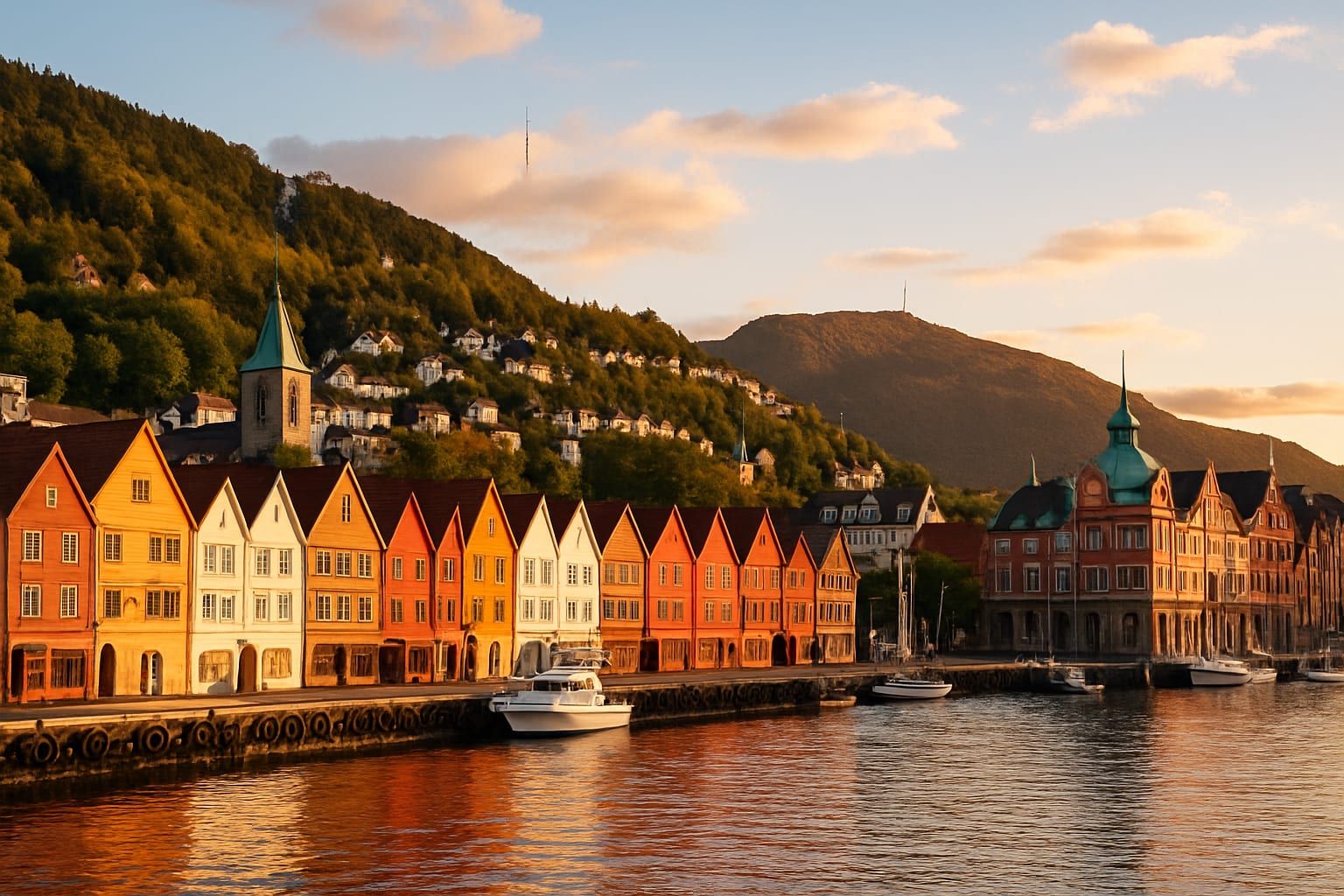
Discover Bergen beyond its fjord postcard: UNESCO-listed Bryggen, vibrant food scene, mountain hikes, museums, island escapes and practical local tips for a memorable visit.
Bergen: Norway Beyond the Fjords
Bergen may be the gateway to Norway’s famous fjords, but the city itself is a layered, lively destination that rewards more than a quick day trip. From colourful wooden wharves and world-class museums to neighbourhood cafés, steep hiking trails and a serious seafood scene, Bergen offers an authentic Norwegian city experience framed by mountains and sea.
Below you'll find everything you need to soak up Bergen beyond the fjord tours: top sights, local experiences, suggested itineraries, seasonal advice and practical tips to travel like a local.
Why Bergen deserves more than a day
- UNESCO-listed Bryggen: the iconic timber warehouses that tell Bergen’s Hanseatic trading past.
- Compact but varied: cobbled streets, maritime history, contemporary art and lively neighbourhoods within easy walking distance.
- Mountains and islands on the city’s doorstep: quick escapes for hiking, kayaking and coastal birdlife.
- Food culture: celebrated fish markets, new-Nordic restaurants and plenty of casual cafés.
Bergen’s personality is a mix of old and new — centuries of sea commerce meet a modern creative scene. If you only know Bergen for fjord cruises, you’re missing its museums, music festivals, trails and neighbourhood charm.
Top sights and neighbourhoods (what to see)
Bryggen & the harbour
Stroll the narrow wooden alleyways of Bryggen, visit galleries and craft shops, and imagine the Hanseatic merchants who once ran northern trade from these wharves. Nearby the Fish Market (Fisketorget) is a great spot to sample fresh shrimp, crab and cured fish.
Fløibanen & Mount Fløyen
A five-minute funicular takes you from the city centre to Mount Fløyen (Fløyen). At the top you’ll find panoramic views, easy walking trails, a café and playgrounds. For a more athletic option, hike up and reward yourself with the funicular ride down.
Mount Ulriken & the seven-mountain hike
Take the Ulriken cable car for views from the city’s highest peak, or tackle portions of the famous 7-mountain hike (Sju fjell) if you have a good fitness level and the right footwear.
KODE art museums
KODE is one of Scandinavia’s largest museum complexes — modern and classic art, musical instruments and exhibitions linked to Edvard Grieg. A must for culture lovers.
Gamle Bergen (Old Bergen Museum)
An open-air museum of reconstructed wooden houses and living-history exhibits that show what Bergen looked like in the 18th and 19th centuries.
Troldhaugen — Edvard Grieg’s home
A short bus ride from the city centre, Troldhaugen showcases the furnished composer’s home and tranquil gardens overlooking the fjord.
Fantoft Stave Church & Nordnes
Visit the reconstructed stave church at Fantoft (rebuilt after a 1992 arson), then explore the Nordnes peninsula for coastal walks, small beaches and the Bergen aquarium.
Beyond the fjords: local experiences to try
Island hopping and coastal villages
Take a short ferry to the Øygarden islands or the small communities in the archipelago. These low-key trips are perfect for birdwatching, seafood shacks and quiet coastal walks.
Seafood feasts and market snacks
Skip packaged souvenirs and head to the Fish Market for open-air stalls. Try salted cod, smoked salmon, king crab or a warm shrimp sandwich. For a sit-down splurge, reserve a table at one of Bergen’s New Nordic restaurants.
Coffee culture and bakeries
Bergenites take coffee seriously. Sample local roasters in the Nordnes and Marken districts and pick up a cinnamon roll (skillingsbolle) from a neighbourhood bakery.
Festivals and music
Bergen has a lively calendar: the Bergen International Festival (late May–June) mixes classical music and performance, while Bergenfest and various jazz events highlight the city’s contemporary scene.
Makers, galleries and craft beer
Explore independent design shops in Sandviken, pop into contemporary galleries off Bryggen, and taste local craft beers in cosy pubs around Vågsallmenningen.
Suggested itineraries
48 hours: a perfect weekend
Day 1
- Morning: Walk Bryggen, Fish Market, quick visit to KODE galleries.
- Afternoon: Fløibanen to Mount Fløyen, light hike and coffee with views.
- Evening: Dinner at a seafood restaurant on the harbour and a stroll through the lit alleys.
Day 2
- Morning: Ulriken cable car and short hike, or visit Troldhaugen.
- Afternoon: Gamle Bergen or aquarium, shopping in Marken.
- Evening: Catch live music at a local venue.
4–7 days: dive deeper
- Add day trips: Flåm Railway and Sognefjord cruise, visit Hardanger for waterfalls and fruit orchards, or head to Voss for adventure sports.
- Spend a day island-hopping around Øygarden or the nearby coastal villages.
- Reserve time for museums (KODE) and a relaxed food crawl through several neighbourhood cafés and street stalls.
Practical tips & local insights
Getting there and around
- Fly into Bergen Airport Flesland (BGO). The airport flybussen (airport coach) runs frequently to the city centre; taxis and light rail (Bybanen) are available too.
- Bergen is compact: many main sights are walkable. Local buses, Bybanen and ferries cover the rest.
- Use the Entur app for timetables and tickets across Norway’s trains, buses and ferries.
The Bergen Card
Bergen Card offers free public transport in Bergen, discounted museum entry and savings on selected attractions. It pays off if you plan to visit several museums or use public transit often.
Weather & what to pack
Bergen is famously rainy — packing a lightweight, breathable waterproof jacket and good walking shoes is essential any time of year. Layers are key: a merino base layer, insulating mid-layer and windproof outer shell will keep you comfortable.
- Bring a waterproof daypack and non-slip soles for cobbled streets and muddy trails.
- Tap water is safe to drink — bring a refillable bottle.
Money & tipping
- Norwegian kroner (NOK). Cards are widely accepted; contactless and mobile payments are common. Carry a small amount of cash for tiny vendors.
- Tipping is appreciated but not obligatory — round up or add 5–10% in restaurants for good service.
Safety & respect
- Norway is very safe; standard travel caution applies. Emergency numbers: police 112, ambulance 113.
- Respect local nature rules: stay on marked trails, follow fire regulations and use designated campsites if you’re overnighting outside the city.
Language & local etiquette
- Norwegian is the official language; most Norwegians speak excellent English. Learn a few phrases — takk (thanks), vær så snill (please), god tur (have a good trip) — and you’ll be welcomed.
Food & drink: where to eat
Markets & casual bites
- Fisketorget (Fish Market): seafood stalls, quick bites and people-watching. Try a warm shrimp sandwich or a smoked salmon open sandwich.
Mid-range & fine dining
- Bergen has several restaurants showcasing New Nordic cuisine — seasonal, local and seafood-forward. Reserve ahead in summer.
Cafés & bakeries
- Coffee shops in Marken and Nordnes are ideal for morning pastries and people-watching. Look for local roasters and small-batch bakeries.
Nightlife
- Bergen’s nightlife is relaxed: craft beer taprooms, cocktail bars tucked in Bryggen’s alleyways and live music venues near Torgallmenningen.
Day trips that go beyond fjord postcards
- Flåm Railway and Sognefjord: famous scenic train and fjord cruise combo, doable as a long day trip or overnight.
- Hardangerfjord: waterfalls, fruit orchards and the dramatic Folgefonna glacier for summer glacier walks.
- Voss: adventure hub for white-water rafting, paragliding and mountain sports.
- Ålesund & the Atlantic Road: further afield, but spectacular coastal architecture and drives if you have several days.
If your main aim is mountains, consider guided hikes on Folgefonna or joining local outfitters for glacier walks. For calmer days, explore coastal islands and small fishing villages reachable by local ferries.
When to visit
- Summer (June–August): long daylight, festivals and accessible hikes — expect crowds and book key attractions in advance. See our guide to Summer in Scandinavia for more on long-day highlights: /en/seasonal-travel/summer-scandinavia-midnight-sun.
- Shoulder seasons (late spring and early autumn): fewer tourists, crisp days and fall colours — a great compromise.
- Winter: fewer crowds, snow-capped peaks and a chance to see the northern lights farther north — pack warm layers.
For a broader view on timing across Europe and seasonal tips, check: /en/practical-guides/best-time-to-visit-europe-month-by-month.
Sustainable & ethical travel notes
- Norway's public transport and ferries are efficient — favour trains, buses and shared ferries over single-occupancy car travel.
- Respect private property and agricultural land; Norway has "allemannsretten" (the right to roam) but it comes with responsibilities: leave no trace, avoid disturbing wildlife, and camp responsibly.
Final tips to travel like a local
- Rise early for quieter streets and the freshest seafood at the Fish Market.
- Buy a Bergen Card if you’ll visit multiple museums or use public transport often.
- Pack for rain — even summer days can be wet and changeable.
- Talk to locals: ask baristas, gallery staff or ferry workers for tips on hidden coves, seasonal produce and less-touristy walking routes.
Bergen’s beauty goes beyond fjord vistas. Slow down, explore neighbourhoods, taste the local food and lace up your boots for a hike — it’s the best way to understand why Norwegians love this city so much. God tur!
Written by
City Voyager
City Voyager is a team of travel writers and explorers dedicated to uncovering hidden gems, local culture, and authentic experiences in cities around the world.
Keep Exploring
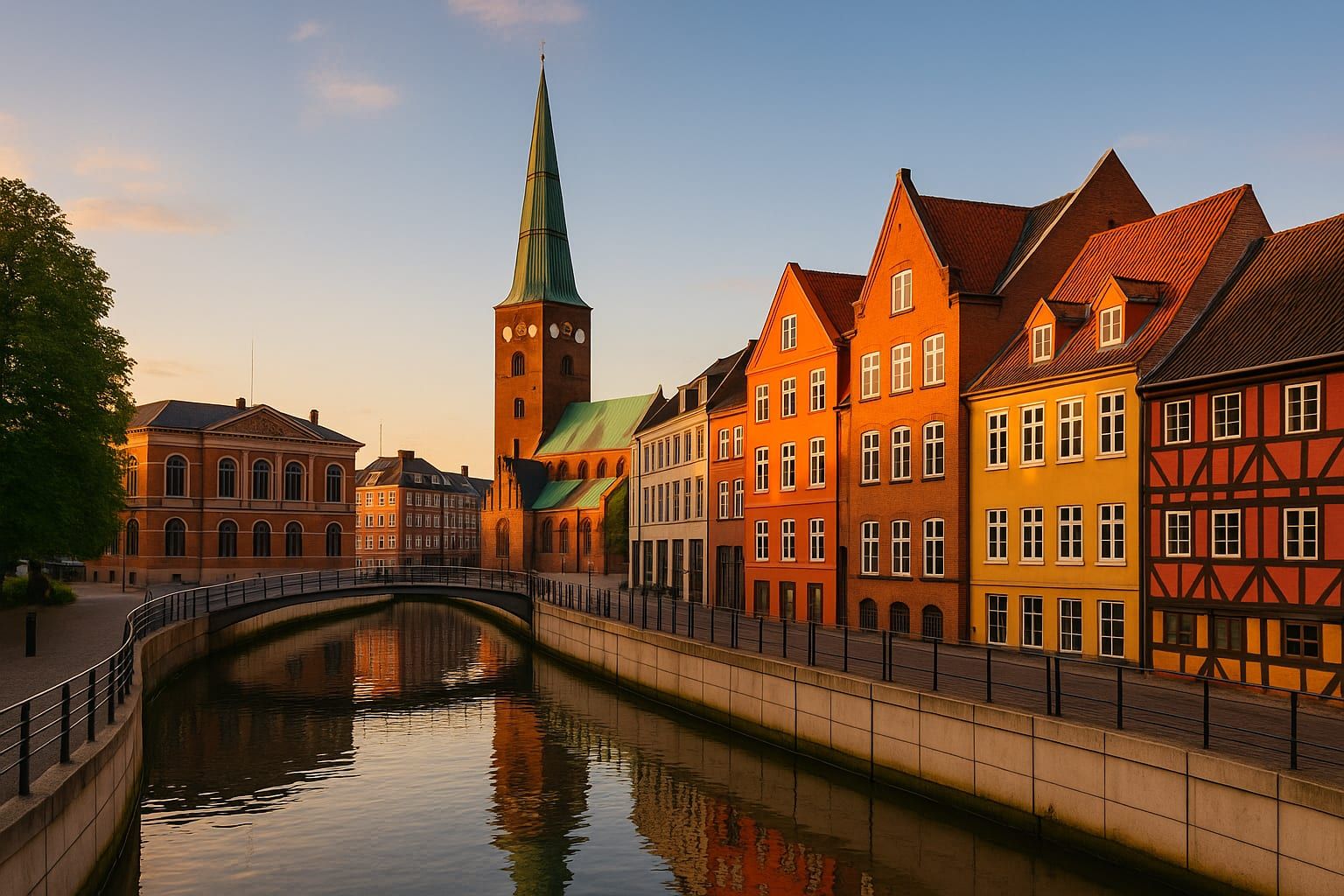
Aarhus: Denmark's Second City, First in Culture
Discover Aarhus — a youthful, design-driven Danish city where Viking history meets cutting-edge art, world-class food and effortless coastal living. Practical tips included.
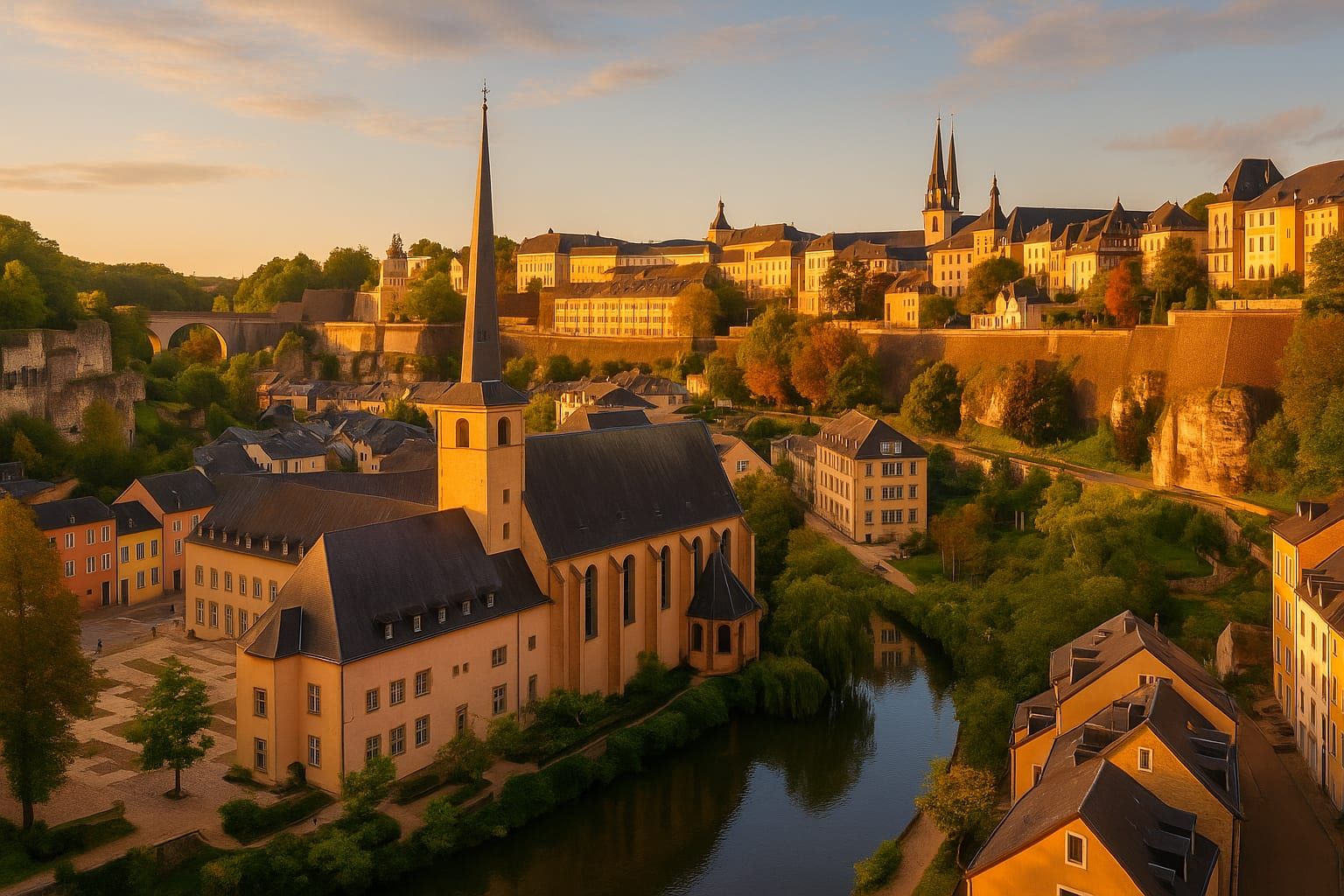
Luxembourg City: Europe's Most Underrated Capital
Discover why Luxembourg City — with its UNESCO old town, cliff-side casemates, riverside Grund, and world-class food — is Europe’s most underrated capital.
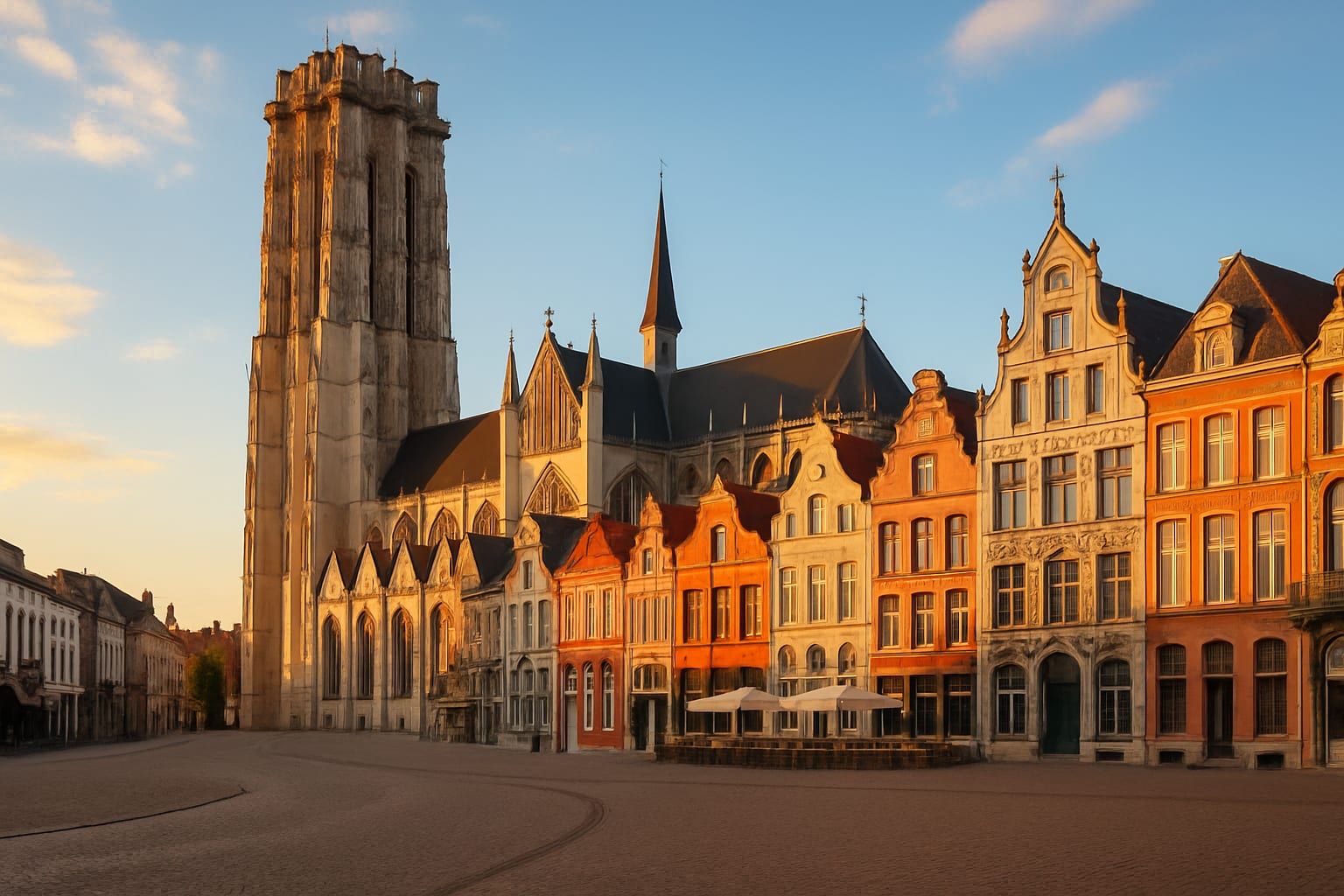
Mechelen: Belgium's Best-Kept Secret
Nestled between Brussels and Antwerp, Mechelen is a compact, medieval city with soaring towers, a vibrant beer scene, peaceful beguinages and river paths — Belgium without the crowds.