
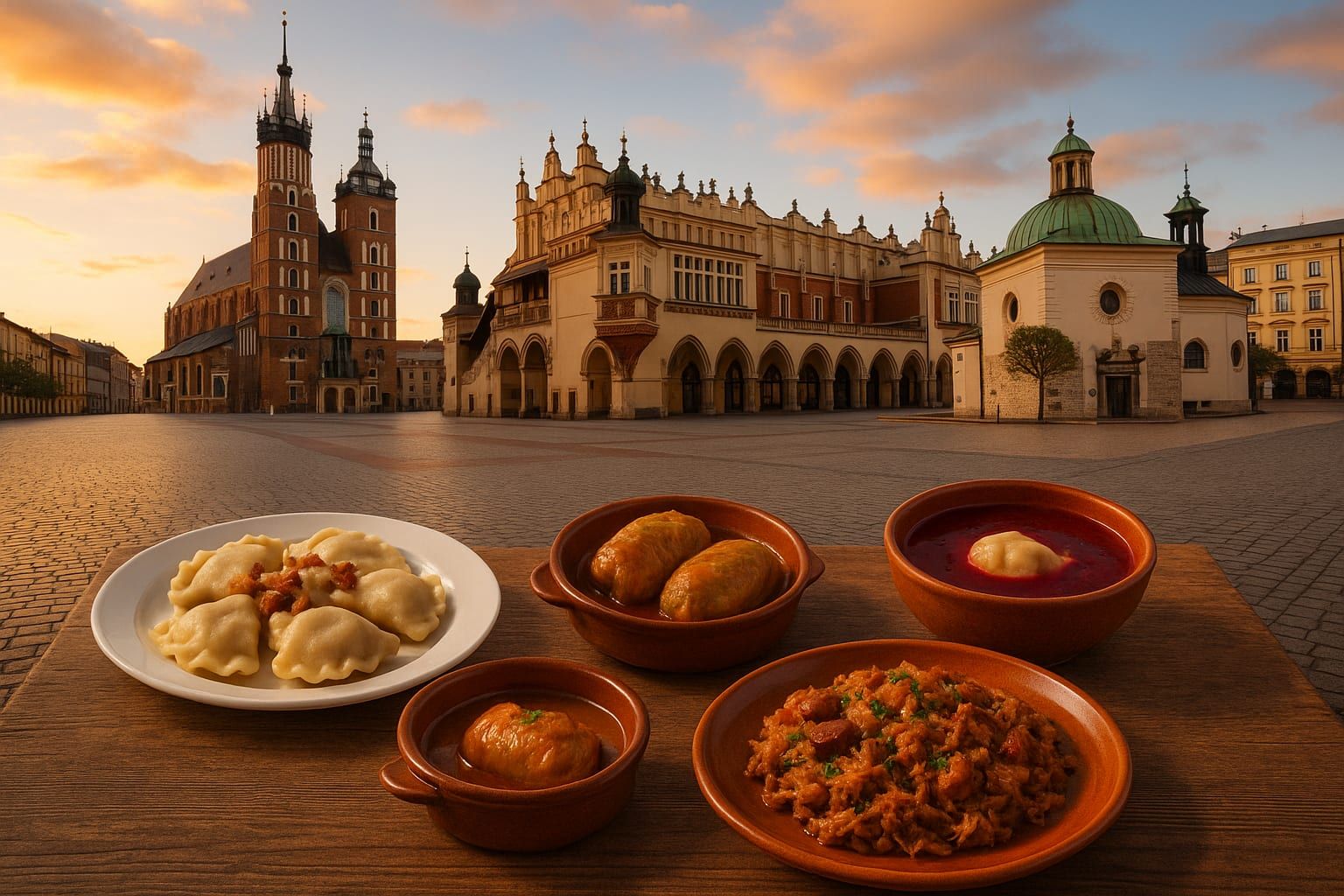
A practical, mouthwatering guide to Kraków’s best Polish comfort foods — from pierogi and żurek to milk bars, markets and street snacks, plus tips for where and how to eat like a local.
Krakow Food Guide: Polish Comfort Food
Kraków is a city built on history, community and a love of comforting, honest food. Whether you’re warming up with a steaming bowl of żurek in winter or nibbling zapiekanki in Kazimierz on a summer evening, Polish comfort cuisine is at the heart of everyday life here. This guide walks you through the must-try dishes, the best places and practical local tips so you can eat like a Krakowian.
Why Polish comfort food matters in Kraków
Kraków’s cuisine reflects centuries of regional influence — Galician heartiness, Austro-Hungarian echoes and Jewish culinary traditions all shape what appears on tables today. The city’s weather and working-class roots favored dishes that are filling, warm and made from accessible ingredients: potatoes, root vegetables, rich gravies, fermented breads and preserved meats.
Comfort food here is less about trendiness and more about ritual. Families eat the same stews, soups and dumplings year after year; milk bars (bar mleczny) keep everyday classics affordable; and street snacks make it easy to graze your way through a day of sightseeing.
What to try: 15 Polish comfort foods you can’t miss
1. Pierogi
Poland’s beloved dumplings — stuffed with potato and cheese (pierogi ruskie), meat, sauerkraut and mushrooms, or sweet fillings like blueberries. Fry them after boiling for a crisp edge and serve with sour cream.
2. Żurek
A sour rye soup with a uniquely tangy flavor, often served with sausage and a halved hard-boiled egg. In Kraków you may find it served in an edible bread bowl in tourist spots.
3. Barszcz (borscht)
A clear beetroot soup that can be sweet-sour; served hot or cold depending on the season. At traditional meals it often accompanies dumplings or is part of festive menus.
4. Bigos
Known as “hunter’s stew,” bigos is a hearty mix of cabbage (fresh and sauerkraut), various cuts of meat and spices simmered for hours. It's deeply savory and perfect with rye bread.
5. Kotlet schabowy
A Polish pork schnitzel: thin, breaded and fried until golden. Comes with potatoes or cabbage — a go-to comfort plate.
6. Placki ziemniaczane
Crispy potato pancakes often served with a dollop of sour cream or mushroom sauce. They’re a favorite late-night or winter treat.
7. Kiełbasa and grilled sausages
Smoky, simple and satisfying. Try them at street stalls, markets or as part of a mixed-plate at regional restaurants.
8. Oscypek
A smoked sheep’s cheese from the Tatra Mountains — often grilled and drizzled with cranberry jam. It’s a regional specialty you’ll find in Kraków’s markets and winter stalls.
9. Zapiekanka
Polish-style open-faced baguette pizza topped with mushrooms, cheese and often a squiggle of ketchup or garlic sauce. Best found on Plac Nowy in Kazimierz.
10. Obwarzanek krakowski
Kraków’s twisted, sesame- or poppy-seed-coated ring bread sold by street vendors. Grab one fresh and warm for a cheap, authentic snack.
11. Sernik
Polish cheesecake — denser and often made with twaróg (curd cheese). A classic cafe order with coffee.
12. Pączki
Polish filled doughnuts — usually jam-filled and enjoyed especially on Fat Thursday, but available year-round.
13. Flaki
A traditional tripe soup, rich and peppery. Not for everyone, but locals swear by its warming powers.
14. Gulasz
Hungarian-inspired goulash adapted into Polish home cooking: a rich, paprika-laced stew commonly served with mashed potatoes or dumplings.
15. Milk bar classics
Milk bars serve staples like zurek, kotlet schabowy, pierogi and stewed cabbage at very affordable prices. It’s a cultural experience as much as a meal.
Where to eat: places and neighborhoods to seek out comfort food
Old Town and Kazimierz — classic and tourist-friendly
Old Town has plenty of sit-down restaurants offering polished versions of Polish classics. Kazimierz, the historic Jewish quarter, is where you’ll find a mix of street food, cozy cafes and atmospheric eateries — and the famous Plac Nowy zapiekanki stalls.
Practical tip: go early or late in Kazimierz to avoid crowds at the most famous stalls.
Milk bars (Bar Mleczny)
For budget-friendly, genuine comfort food, visit a milk bar. These state-surviving cafeterias serve hearty portions at low prices and are a window into Polish everyday food culture.
Local insight: Milkbar Tomasza is one example of the resurgence in popularity for these places — expect simple plates, efficient service and communal seating.
Markets and food halls
Stary Kleparz and Hala Targowa are great for fresh produce, smoked cheese, sausages and pastries. Food halls and market stalls are ideal for trying small bites without committing to a full restaurant meal.
For a fancier take
If you want elevated interpretations of Polish classics, Kraków has many modern restaurants reworking traditional ingredients into tasting menus and contemporary plates.
A sample day of eating in Kraków
- Breakfast: Start with a strong coffee and a piece of sernik or an obwarzanek from a street vendor. (See our notes on Kraków’s café culture in /en/food-drink/best-coffee-cities-europe.)
- Mid-morning: Walk the market stalls at Stary Kleparz and taste oscypek if it’s in season.
- Lunch: Grab pierogi at a milk bar or traditional restaurant; pair with a mug of kompot or kvass.
- Afternoon snack: Try a zapiekanka in Kazimierz and wander the district’s alleys.
- Dinner: Hearty bigos or kotlet schabowy with mashed potatoes at a classic Polish restaurant; finish with pączki or sernik.
Local ordering tips and Polish phrases
- “Poproszę” (POH-proh-sheh) = Please / I would like
- “Dziękuję” (jen-KOO-yeh) = Thank you
- “Pierogi ruskie, poproszę” = Pierogi with potato and cheese, please
- “Czy mogę prosić o rachunek?” = Could I have the bill?
Practical tips: many restaurants accept cards, but small stalls and some milk bars are cash-only. Carry some złoty for markets and street food. Tipping 10% is appreciated but not mandatory; round up or leave small change if service was good.
Best time to eat certain dishes
- Winter: soup season — żurek, flaki and bigos feel essential
- Spring/Autumn: hearty stews and pierogi with seasonal fillings
- Summer: lighter beetroot barszcz if served cold, and outdoor markets selling oscypek and grilled sausages
For a seasonal perspective on travel and food timing, consult our broader guide on the best times to visit Europe: /en/practical-guides/best-time-to-visit-europe-month-by-month.
Street food and late-night bites
Kraków’s night scene pairs perfectly with casual eats. Zapiekanki on Plac Nowy are almost legendary — cheap, filling and perfect after a few beers. Food trucks and late-night kiosks also sell grilled sausages, fries and potato pancakes.
Local insight: many locals stop at milk bars or small kebab shops after evening events — don’t be surprised by the crowds outside these late-night spots.
Drinks: what to pair with comfort food
- Beer: Polish lagers and craft breweries pair effortlessly with fried or hearty plates.
- Vodka: Poland’s signature spirit — often sipped before a big meal or ordered neat with traditional cold cuts or pickles.
- Kompot: A fruit-based drink served at family meals; refreshing and non-alcoholic.
If you’re interested in regional beverage culture, Kraków’s thriving café and coffee scene is part of a larger European trend — we cover coffee highlights in /en/food-drink/best-coffee-cities-europe.
Practical tips for travelers
- Eat early to avoid queues at popular milk bars and zapiekanka stalls; lunch rush is usually noon–2pm.
- Carry cash for street vendors and some markets. Smaller shops and milk bars can be card-unfriendly.
- If you have dietary restrictions, learn key words in Polish: "bez mięsa" (without meat), "bez laktozy" (lactose-free), and ask staff politely.
- Consider a food tour on your first day — it’s a fast way to try many classics and learn context. Eat Polska and independent local guides run well-reviewed tours.
- Don’t be shy about asking for local recommendations — many servers and shopkeepers are proud to suggest their favourite versions of a dish.
Food etiquette and cultural notes
- Polish meals are social occasions. Take time to enjoy courses and conversation.
- Sharing is common for appetizers and desserts, though main courses are usually individual.
- If invited to a Polish home, bring a small gift (flowers, sweets) and expect a generous spread of homemade dishes.
Where to splurge and where to save
- Splurge: modern interpretations of Polish cuisine at contemporary restaurants that fuse seasonal produce with refined technique.
- Save: milk bars, market stalls and street vendors — you’ll get authentic flavors and generous portions for a fraction of the price.
Final local insights
- Kraków’s food scene balances preservation and reinvention. You’ll find very traditional plates sitting alongside inventive reinterpretations that still honor the same ingredients.
- Comfort food here is tied to rhythm: markets in the morning, milk bars at midday, taverns and street snacks at night. Eating like a local means following those rhythms.
Kraków invites you to slow down and relish food that warms you from the inside out. Whether your ideal meal is a humble plate of pierogi or a multi-course tasting menu built on country flavors, you’ll find Polish comfort cuisine to be honest, soulful and deeply connected to place.
Bon appetit — or as they say in Polish, smacznego!
If you’re planning a longer stay in Kraków, our 3-day itinerary pairs well with this guide: explore food, history and culture in /en/itineraries/3-days-in-krakow-polands-cultural-heart.
For a nearby culinary contrast, consider a food day-trip to Budapest to compare regional comfort cuisines in Central Europe: /en/local-culture/budapest-food-guide-europe-authentic-food-city.
Keep Exploring

Madrid Food Guide: Tapas, Markets & Cocido
A complete Madrid food guide: where to eat tapas, how to order cocido madrileño, best markets and neighborhoods, plus local tips, drinks and dessert must-tries.

Wine Tasting in Bordeaux: Complete Guide
Everything you need to plan the perfect Bordeaux wine-tasting experience: regions, top châteaux, how to taste, booking tips, transport, seasonality and local insights.
Cooking Classes in Italy: Florence, Rome & Beyond
Learn to make pasta, pizza, gelato and regional classics with hands-on classes in Florence, Rome and beyond — market tours, agriturismo experiences and practical tips.