
Marseille: La Grande Ville Française la Plus Sous-estimée
Brute, diverse et absolument captivante. Découvrez pourquoi la plus ancienne ville de France obtient enfin la reconnaissance qu'elle mérite.
Marseille: France's Most Underrated Major City
Raw, diverse, and utterly captivating. Discover why France's oldest city is finally getting the recognition it deserves.
For decades, Marseille had a reputation problem. France's second city was dismissed as dangerous, dirty, and best avoided—a port town past its prime. Parisians sneered. Tour groups skipped it. Marseille didn't seem to care.
But something has shifted. Marseille is experiencing a renaissance, and travelers are finally discovering what locals always knew: this is one of Europe's most exciting, most authentic, and most underrated cities.
Founded by Greek sailors in 600 BC, Marseille is France's oldest city—and its most diverse. North African, West African, Armenian, Italian, Vietnamese, and Comorian communities have shaped its character for generations. The result is a city unlike anywhere else in France: chaotic, colorful, endlessly surprising, and impossible to fake.
Why Marseille Captivates Travelers
The Vieux Port: Heart of the City
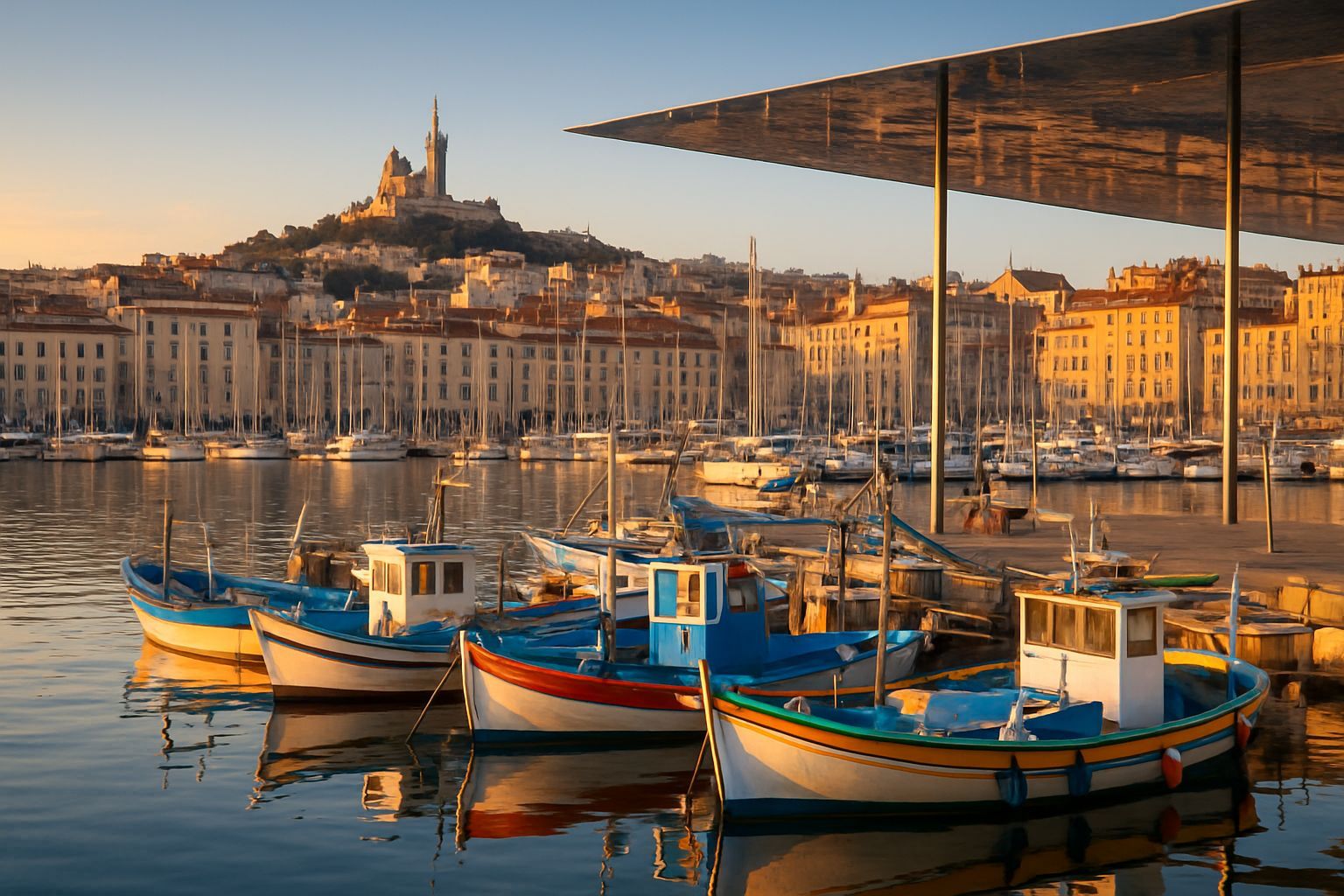
Everything in Marseille begins at the Vieux Port. This natural harbor has been the city's soul for over 2,600 years—Greek triremes once anchored here; today, fishing boats bob alongside pleasure craft.
The morning fish market on the Quai des Belges is a ritual: fishermen sell the night's catch directly from their boats, housewives argue over prices, and restaurants stock up for the day's bouillabaisse. It's chaotic, photogenic, and completely authentic.
The port's modern centerpiece is Norman Foster's Ombrière, a mirrored canopy that reflects the harbor and sky—a perfect symbol of Marseille's blend of ancient and contemporary.
Practical tip: For the best views, take the free ferry across the port to the Place aux Huiles side, then walk to the Pharo garden for sunset over the water.
Le Panier: The Original Marseille
Le Panier is Marseille's oldest neighborhood—a tangle of steep streets, colorful facades, and artisan workshops climbing the hill above the port. This was the Greek settlement, and its labyrinthine layout still defies modern urban logic.
During World War II, the Nazis destroyed much of Le Panier's lower reaches, considering it too "dangerous." What remains is precious: 17th-century buildings, hole-in-the-wall cafés, studios where artists and craftspeople work, and views that stretch across the port.
The Vieille Charité, a baroque poorhouse turned cultural center, is the neighborhood's architectural crown. Its courtyard—pink stone, arcaded galleries, a chapel by Pierre Puget—is one of Marseille's most beautiful spaces.
Don't miss: The street art that covers Le Panier's walls, turning the neighborhood into an open-air gallery.
Notre-Dame de la Garde: The Good Mother
La Bonne Mère, as locals call it, watches over Marseille from the city's highest point. This 19th-century basilica is Marseille's most recognizable landmark—a striped Romanesque-Byzantine confection topped by a golden Virgin, visible from everywhere in the city.
The climb (or funicular ride) is worth it for the 360-degree panorama: the port, the islands, the Calanques in the distance, the city sprawling in every direction. Inside, the walls are covered with ex-votos—paintings and plaques thanking the Virgin for answered prayers.
For Marseillais, this isn't just a church; it's a symbol of the city itself—protective, resilient, watching over everyone.
What to See & Do
The MuCEM: Where History Meets Architecture
The MuCEM (Museum of European and Mediterranean Civilizations) is Marseille's statement building—a cube of dark lattice-work concrete perched at the port's entrance, connected by a dramatic footbridge to the 17th-century Fort Saint-Jean.
The museum explores Mediterranean civilizations through rotating exhibitions, but the building itself is the star: Rudy Ricciotti's design is a masterpiece of shadow and light, and the rooftop terrace offers unbeatable views.
Tip: The restaurant, with its terrace overlooking the sea, is excellent. Book ahead.
The Calanques: Urban Wilderness
No other major European city has a national park at its doorstep. The Calanques—dramatic limestone cliffs plunging into turquoise inlets—begin just south of Marseille and stretch toward Cassis.
You can hike into the calanques from the city (the trail to Calanque de Sormiou starts from the suburbs), take a boat from the Vieux Port, or drive to trailheads and walk in. The swimming is spectacular; the scenery is otherworldly.
See our Provence Day Trips guide for detailed hiking and access information.
The Corniche and the Islands
The Corniche Kennedy is Marseille's seafront drive—5 kilometers of coastal road with beaches, diving spots, and the city's best sunbathing perches. It's where locals come to swim, fish, and watch the sunset.
From the Vieux Port, boats run to the Îles du Frioul, a small archipelago with wild beaches and the Château d'If—the island fortress made famous by Alexandre Dumas's The Count of Monte Cristo. Even without the literary connection, the fortress is worth visiting for the views back to Marseille.
The African Quarter
The streets around Noailles and the Cours Julien reveal Marseille's multicultural identity. North African grocers, African fabric shops, spice vendors, and halal butchers line the streets—this is France's most diverse urban neighborhood, and the energy is palpable.
The Marché des Capucins in Noailles is the city's most authentic market: mountains of vegetables, vats of olives, fresh mint by the armful. Come hungry; eat at the surrounding restaurants serving couscous, tajines, and rotisserie chicken.
Cours Julien is the bohemian counterpart—street art, vintage shops, cafés, and live music venues in a sloping square that comes alive at night.
La Friche: Industrial Culture
La Friche la Belle de Mai is a former tobacco factory transformed into a vast cultural complex: theaters, studios, galleries, a rooftop bar, and performance spaces spread across 45,000 square meters.
This isn't a polished cultural institution—it's raw, experimental, and endlessly surprising. Check the program for concerts, exhibitions, and events. The rooftop terrace, with its panoramic views and relaxed bar, is worth visiting even when nothing is scheduled.
Eating in Marseille
Marseille's food scene is as diverse as its population. For a deep dive, see our Marseille Food Guide, but here are the essentials.
Must-Try Dishes
Bouillabaisse: The legendary Marseillais fish stew—multiple Mediterranean fish in a saffron broth, served with rouille (spicy mayonnaise) and croutons. It's expensive, it takes time, and it should be ordered at restaurants that do it properly.
Panisse: Fried chickpea flour sticks—crispy outside, creamy within. Street food heaven.
Navettes: Boat-shaped cookies flavored with orange blossom water, traditional to Marseille. Buy them at the Four des Navettes, open since 1781.
Pizza: Marseille has its own pizza tradition—thin crust, wood-fired, with local toppings. Nothing like Paris or Naples, but excellent.
Where to Eat
Chez Étienne | Le Panier Tiny pizza spot with wood-fired oven and legendary queue. Cash only, no reservations, completely worth it.
Le Café des Épices | Le Panier Creative, seasonal cooking in a beautiful space. The lunch menu is exceptional value.
Le Comptoir Dugommier | Near Gare Saint-Charles Wine bar and restaurant with natural wines and shareable plates. Local favorite.
La Mercerie | Cours Julien Petit restaurant with a short, changing menu focused on local ingredients. Reservations essential.
For bouillabaisse: Chez Fonfon (Vallon des Auffes), L'Épuisette (seafood with views)
Practical Information
Getting There
Marseille Provence Airport has connections across Europe. The bus to the city center takes 25 minutes.
TGV connects Marseille to Paris (3 hours), Lyon (1.5 hours), and Barcelona (4.5 hours). The Gare Saint-Charles, with its monumental staircase overlooking the city, is worth seeing.
Best Time to Visit
- May-June: Perfect weather, fewer tourists than summer
- September-October: Still warm, excellent light, local life returns
- Winter: Mild by French standards, atmospheric, and the mistral wind clears the skies
- July-August: Hot and crowded, but the beach and calanques are irresistible
Where to Stay
Vieux Port puts you at the center of everything. Le Panier offers character and charm. Cours Julien is for nightlife and creative energy.
InterContinental Marseille – Hôtel Dieu: Luxury in a converted hospital with stunning views
Les Bords de Mer: Boutique design hotel on the Corniche, steps from the sea
Maison Montgrand: Stylish mid-range in the city center
YOOMA Urban Lodge: Budget-friendly near the Vieux Port
Budget
Marseille is more affordable than Paris or the Riviera:
- Coffee: €1.50-2.50
- Pizza: €10-15
- Restaurant meal: €20-35
- Bouillabaisse: €50-80 per person
- Quality hotel: €100-180/night
Safety
Marseille's reputation was once deserved; today, it's mostly outdated. Use common sense—avoid flashing valuables in certain neighborhoods at night—but the city center and tourist areas are safe. The energy that once intimidated visitors is now part of the appeal.
The Verdict
Marseille isn't easy. It doesn't coddle visitors or hide its rougher edges. What it offers instead is authenticity: a city that's been absorbing newcomers for 2,600 years and has learned to make something vital from the mix.
This is France's most diverse city, its most Mediterranean, and increasingly its most exciting. The food scene is exploding. The cultural infrastructure—MuCEM, La Friche, galleries in every neighborhood—has never been stronger. And the Calanques remain as wild and beautiful as ever.
Marseille is finally having its moment. Visit before everyone else figures it out.
Exploring beyond the city? Aix-en-Provence is just 30 minutes away, and together they make the perfect Provence double-header. See our Aix guide for the complete contrast.
Continue l'exploration
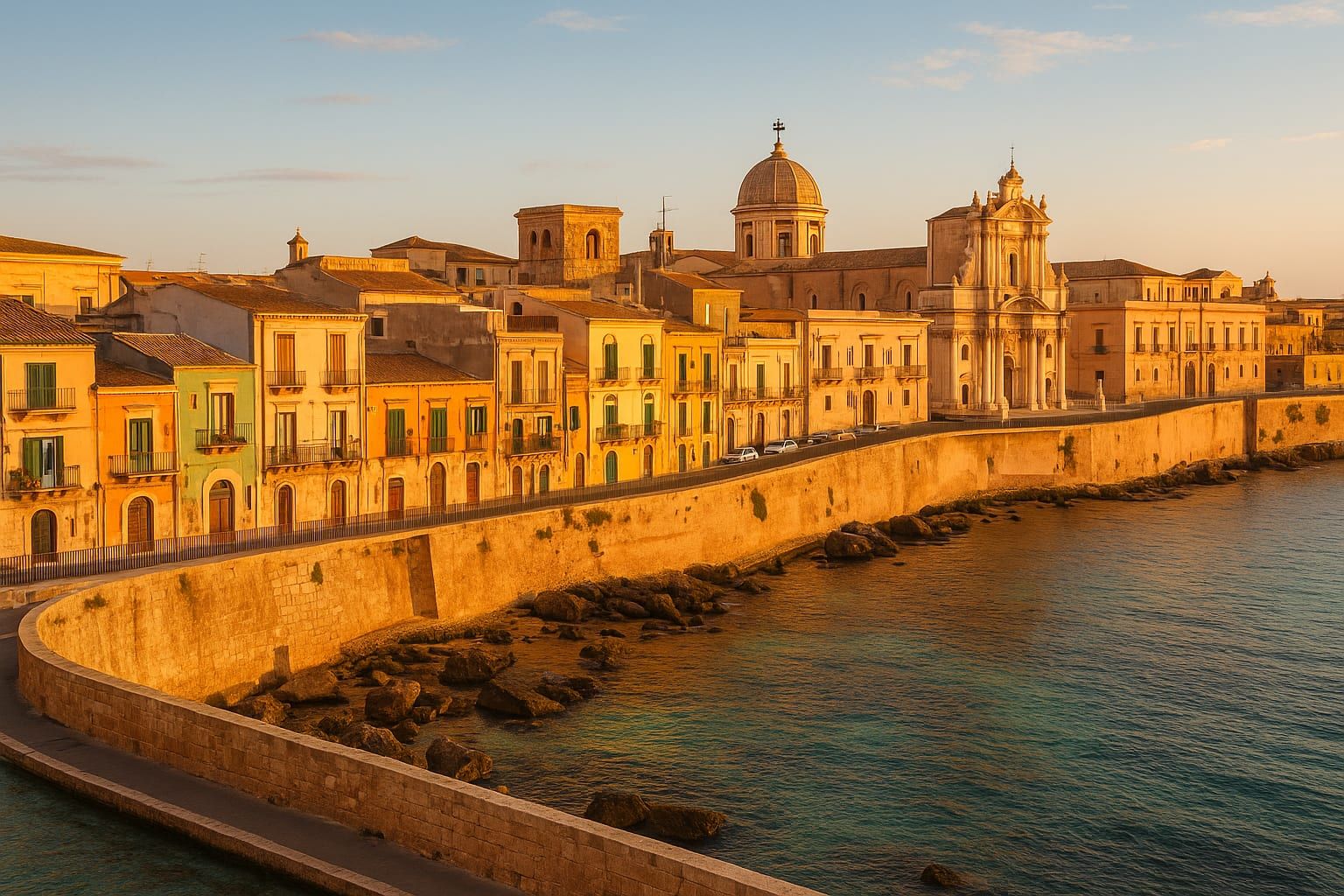
Siracusa : la plus belle cité antique de Sicile
Siracusa est la plus belle cité antique de Sicile : théâtres grecs, Ortigia baroque, marchés aux poissons et ruelles baignées de soleil. Guide des sites, gastronomie, itinéraires et conseils pratiq...
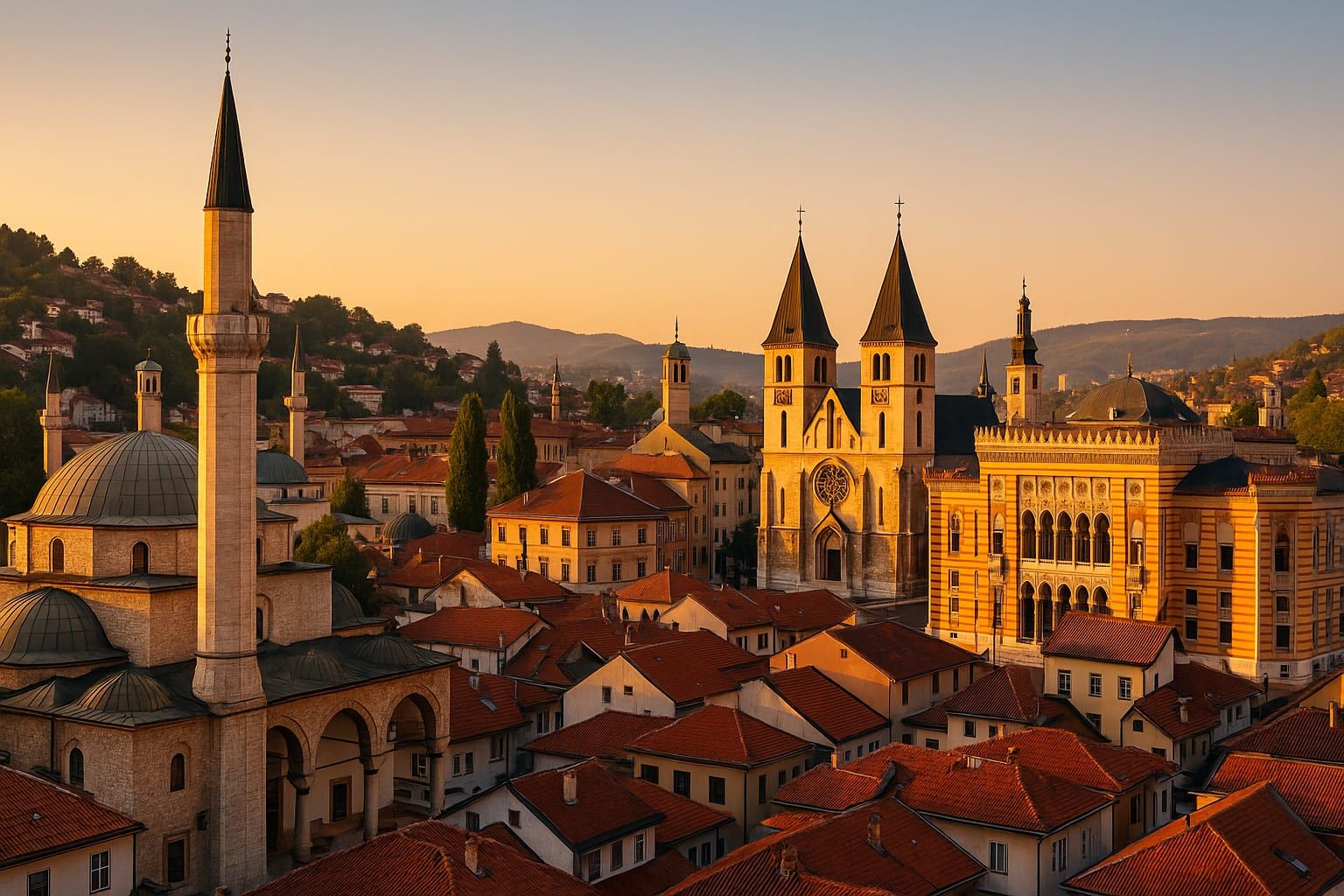
Sarajevo : la Jérusalem de l'Europe à découvrir
Découvrez Sarajevo — une capitale compacte et pleine d'âme où mosquées, églises et synagogues se côtoient, bazars ottomans et boulevards austro-hongrois se rencontrent, et l'histoire vibre à chaque...
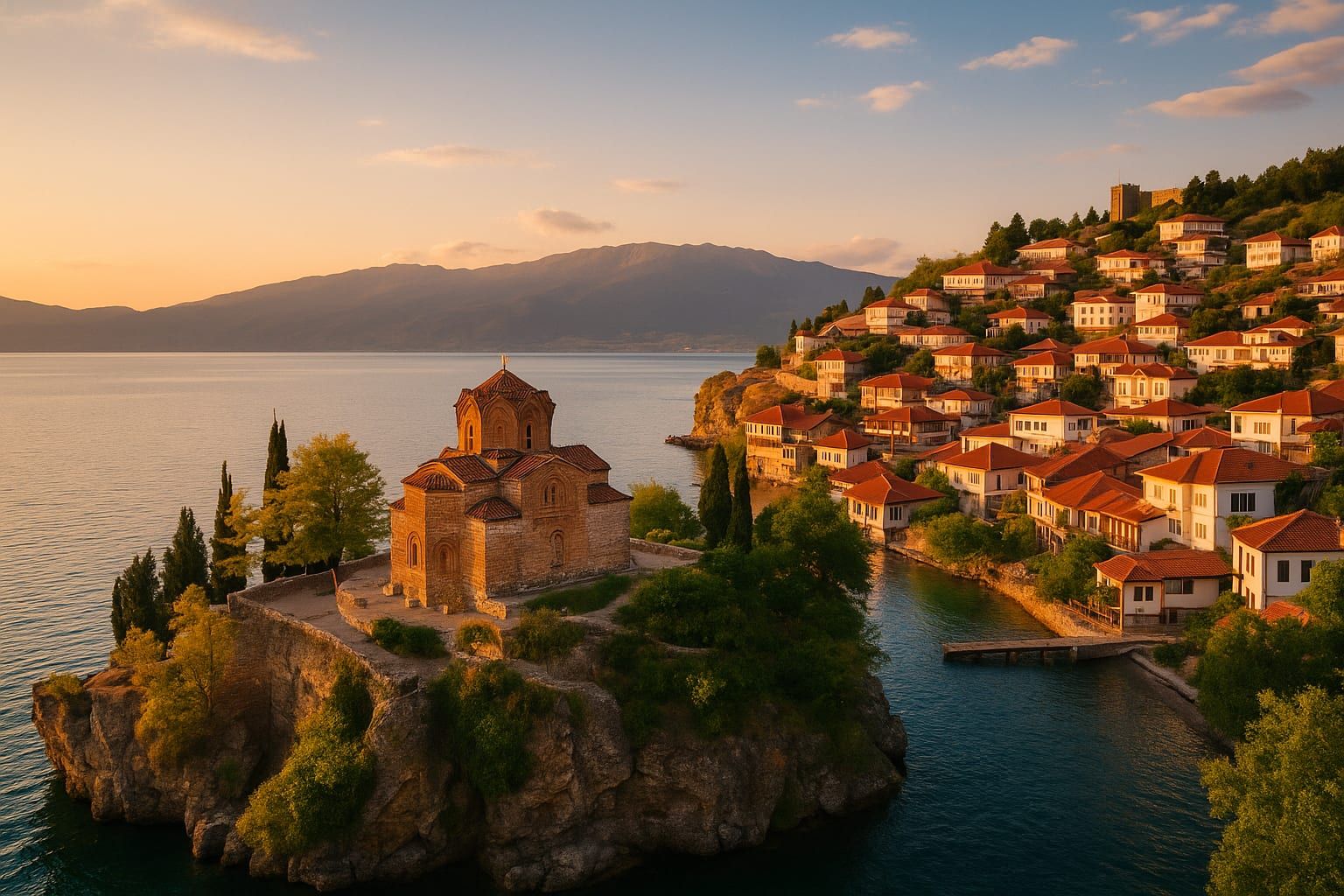
Ohrid : paradis lacustre caché
Découvrez Ohrid, Macédoine du Nord — un joyau lacustre classé par l'UNESCO. Eaux cristallines, églises anciennes, plages cachées et spécialités locales : guide pratique pour voir, faire et profiter.