
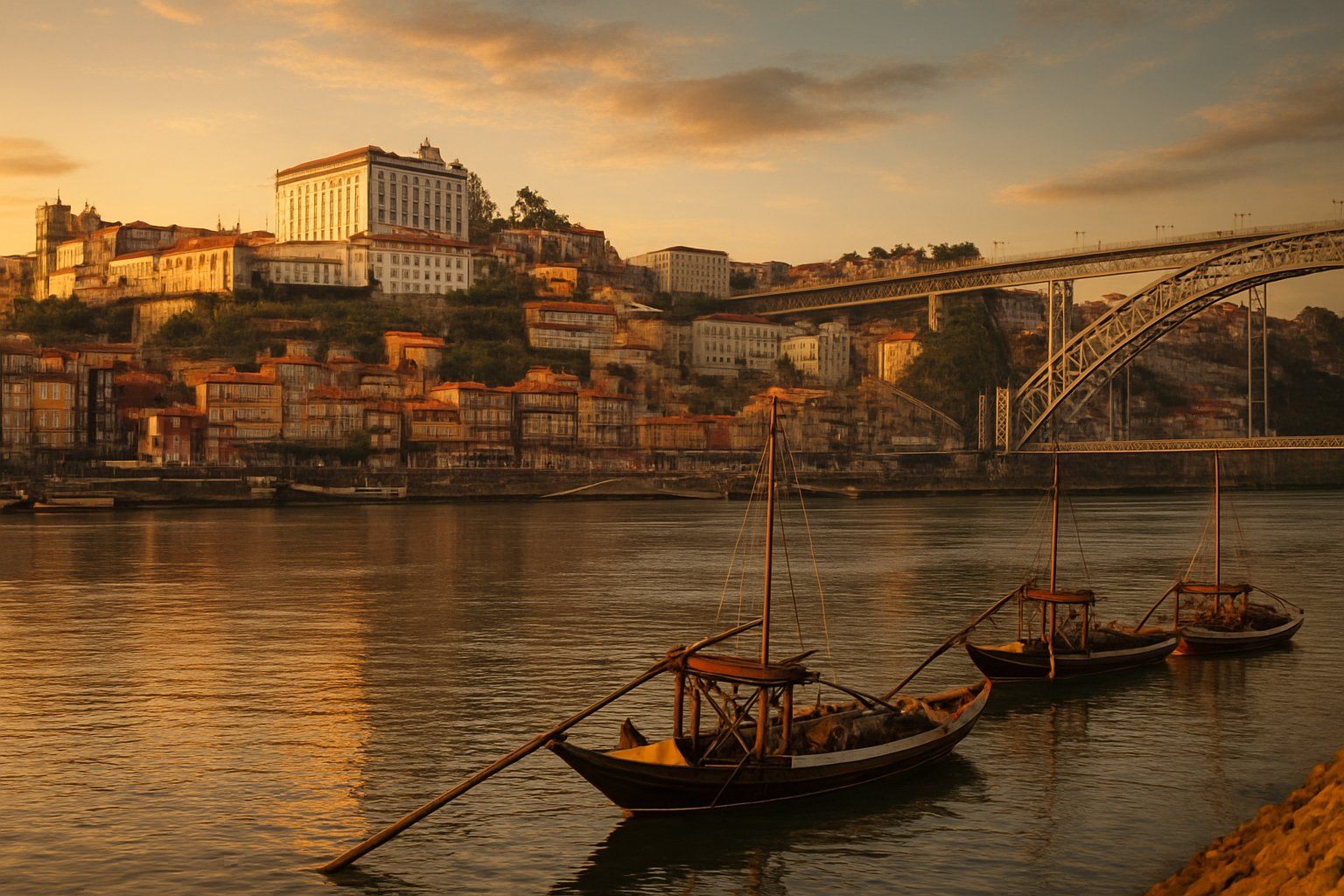
Azulejos, caves à vin de Porto et couchers de soleil atlantiques. Découvrez pourquoi Porto est l'escapade urbaine la plus authentique du Portugal.
Porto: Europe's Most Underrated City Break
Azulejo tiles, port wine cellars, and Atlantic sunsets. Discover why Porto is Portugal's most authentic urban escape.
Forget Lisbon. While Portugal's capital has become a victim of its own success—overrun with tourists, rising prices, and an increasingly sanitized feel—its northern rival remains gloriously authentic. Porto is grittier, moodier, and infinitely more rewarding for travelers willing to look beyond the obvious.
This is a city where baroque churches drip with gold, working-class neighborhoods tumble down hillsides toward the Douro River, and port wine cellars have been perfecting their craft for centuries. Porto doesn't try to impress you. It simply is what it is—and that confidence is magnetic.
Why Porto Captivates Travelers
The Azulejo Obsession
No city in the world does blue-and-white tiles like Porto. These hand-painted ceramic squares—azulejos—cover everything from train stations to churches to ordinary apartment buildings. The effect is mesmerizing.
The crown jewel is São Bento Railway Station, where over 20,000 tiles depict scenes from Portuguese history. Arrive by train if you can—the first glimpse of that blue-and-white interior is worth the journey alone. Then there's the Igreja do Carmo, with its massive exterior tile panel, and the Capela das Almas, whose facade is covered entirely in azulejos depicting the life of St. Francis.
Unlike Lisbon, where tourism has made azulejo theft a serious problem, Porto's tile heritage remains intact and publicly accessible. Wandering the streets with your neck craned upward is half the joy of being here.
The River and the Bridges
The Douro River splits Porto into two distinct characters. On the north bank, the historic Ribeira district cascades down to the waterfront in a UNESCO-listed tumble of medieval buildings. On the south bank, Vila Nova de Gaia houses the legendary port wine cellars.
Connecting them is one of Europe's most iconic bridges: the Dom Luís I Bridge, designed by a student of Gustave Eiffel. You can walk across both levels—the upper deck offers sweeping views, while the lower deck puts you at water level among traditional rabelo boats. At sunset, the entire scene turns golden.
Practical tip: Cross the bridge at dusk, grab a seat at one of the Gaia waterfront terraces, and watch the city light up across the river. This is Porto at its most magical.
The Port Wine Cellars
You can drink port wine anywhere in the world, but tasting it in the centuries-old cellars where it ages is an experience unique to Porto. The lodges of Vila Nova de Gaia—Taylor's, Graham's, Sandeman, Ferreira—have been perfecting the fortified wine since the 17th century.
Most offer tours and tastings ranging from quick introductions to deep-dive experiences with rare vintage ports. Taylor's has particularly atmospheric cellars and stunning terrace views. Ferreira offers insight into the Portuguese (rather than British) side of port history. Graham's lets you blend your own wine.
Budget tip: Skip the priciest tastings unless you're a serious oenophile. A basic tour with two or three ports (around €15-20) teaches you everything you need to know, and many cellars let you taste before you buy in their shops.
What to See & Do
Livraria Lello: The World's Most Beautiful Bookshop
Yes, it's famous. Yes, it's crowded. And yes, you should still go. Livraria Lello has been called the world's most beautiful bookshop, and the hype is justified. Its neo-Gothic interior, carved wooden staircases, and stained-glass ceiling inspired the Hogwarts library in the Harry Potter films (J.K. Rowling lived in Porto in the early 1990s).
You'll need to buy a ticket to enter (€5, redeemable against book purchases), and the crowds can be intense. Go when it opens for the best experience.
Ribeira: The Medieval Heart
The Ribeira district is Porto's atmospheric waterfront neighborhood, where narrow lanes wind between buildings that seem to lean on each other for support. It's touristy, yes, but the setting is genuinely stunning—this is a UNESCO World Heritage Site that has looked more or less the same for centuries.
Wander the backstreets, photograph the colorful facades reflected in the river, and stop at one of the traditional tascas (taverns) for a simple lunch. Adega São Nicolau and Bacalhau serve no-frills Portuguese cooking at reasonable prices.
The Cathedral and the Old Town
Porto's Sé Cathedral is a fortress of a church, its Romanesque exterior standing defiantly on a hill above the city. The Gothic cloisters are covered in—what else?—azulejos, and the views from the terrace stretch across Porto's rooftops to the river.
The streets around the cathedral are some of Porto's most atmospheric. Get lost in the labyrinth of Barredo and Miragaia neighborhoods, where local life carries on largely untouched by tourism. This is where Porto reveals its authentic character.
Foz: Where the River Meets the Sea
Follow the Douro downstream to Foz do Douro, where the river empties into the Atlantic. This upscale neighborhood offers a completely different Porto experience: wide promenades, ocean views, and seafood restaurants overlooking the waves.
The Farol de Felgueiras (Felgueiras Lighthouse) marks the river mouth, surrounded by dramatic rocks where waves crash spectacularly in rough weather. Walk along the seaside Passeio Alegre gardens, then reward yourself with a coffee at Foz do Douro cafe.
Getting there: Take the historic Tram 1 from Ribeira—it's one of Porto's last vintage tram routes and follows the river all the way to the sea.
Bolhão Market: Food Hall Reborn
After years of renovation, the Mercado do Bolhão has reopened as Porto's culinary heart. This iron-framed 19th-century market is the place to sample local products: pungent cheeses, cured meats, dried cod (bacalhau), fresh produce, and flowers.
The upper level now houses food stalls where you can eat your way through Portuguese cuisine. It's more polished than it used to be, but the market sellers retain their character—and their strong opinions about what you should buy.
The Food Scene
Porto's food culture is unpretentious and deeply satisfying. This is not Lisbon's trendy dining scene—it's home cooking elevated to an art form.
Must-Try Dishes
Francesinha: Porto's infamous sandwich—layers of meat, melted cheese, and a spicy beer-based sauce. Looks like a heart attack, tastes like heaven. Café Santiago is the traditional choice, though lines can be long.
Tripas à Moda do Porto: Tripe stew, the dish that gave Porto residents their nickname (tripeiros). It's rich, hearty, and not for the faint of heart.
Bacalhau: Portugal's beloved salt cod, prepared in dozens of ways. Try bacalhau à Gomes de Sá (with potatoes, eggs, and olives) for the classic Porto preparation.
Bifanas: Simple but perfect pork sandwiches, best grabbed standing at a counter.
Where to Eat
For traditional Porto cooking: O Gaveto, Tasca da Badalhoca, A Grade
For seafood: Marisqueira de Matosinhos (technically in neighboring Matosinhos, but worth the trip)
For wine and petiscos: Prova, Wine Quay Bar, Casa de Pasto da Palmeira
For a splurge: DOP by Rui Paula, The Yeatman (Michelin-starred, with Douro views)
For a deeper dive into Porto's culinary scene, check out our Porto Food Guide.
Practical Information
Getting There
Porto's Francisco Sá Carneiro Airport has connections to major European cities. The metro runs directly from the airport to the city center (about 30 minutes).
From Lisbon, high-speed trains take around 2.5 hours. The journey along the Douro valley is beautiful.
Best Time to Visit
- June: The São João festival (June 23-24) is Porto's biggest party—all-night celebrations, bonfires, and hitting strangers with plastic hammers
- September-October: Perfect weather, harvest season in the Douro valley
- Winter: Quieter, moodier, and still rewarding—Porto's azulejos look stunning in the rain
Where to Stay
Ribeira puts you in the atmospheric heart of things, though it's hilly and touristy.
Baixa/Aliados is central and convenient, with good metro access.
Cedofeita/Miragaia offers a more local feel with excellent restaurants and bars.
Vila Nova de Gaia is perfect if port wine cellars are your priority—and the views back to Porto are unbeatable.
Budget
Porto is excellent value compared to most Western European cities:
- Coffee: €0.70-1
- Beer: €1.50-3
- Francesinha: €10-15
- Restaurant meal: €15-25
- Quality hotel: €80-120/night
- Port wine tasting: €15-40
Getting Around
Porto's center is walkable but hilly. Wear comfortable shoes and be prepared for steep climbs.
The metro is efficient and covers key areas including the airport and Foz.
Tram 1 runs along the Douro to Foz—more scenic than practical, but worth doing once.
The Funicular dos Guindais saves your legs from the climb between Ribeira and the cathedral.
The Verdict
Porto doesn't try to be Lisbon, and that's precisely its appeal. While the capital chases international visitors, Porto remains stubbornly, authentically itself—a working city that happens to be extraordinarily beautiful.
The azulejo-covered churches, the moody riverside, the port wine traditions, the simple but satisfying food—everything here feels real. Porto isn't performing for tourists; it's just being Porto.
Visit before everyone else catches on. This is one of Europe's great city breaks, hiding in plain sight.
Ready to explore beyond Porto? The Douro Valley wine region is just an hour upriver, and the beaches of the northern coast are easily accessible for a day trip.
Related
Continue l'exploration
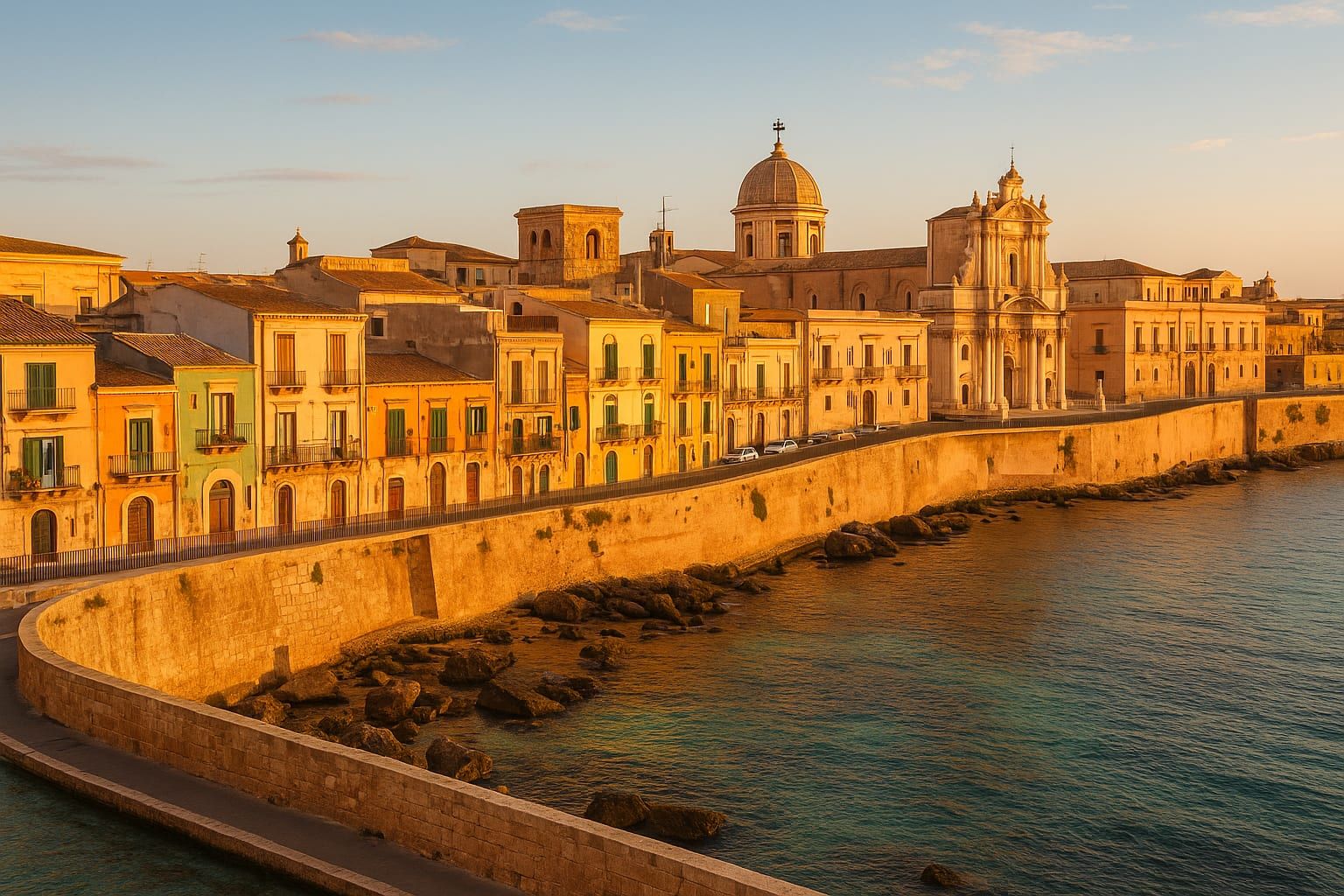
Siracusa : la plus belle cité antique de Sicile
Siracusa est la plus belle cité antique de Sicile : théâtres grecs, Ortigia baroque, marchés aux poissons et ruelles baignées de soleil. Guide des sites, gastronomie, itinéraires et conseils pratiq...
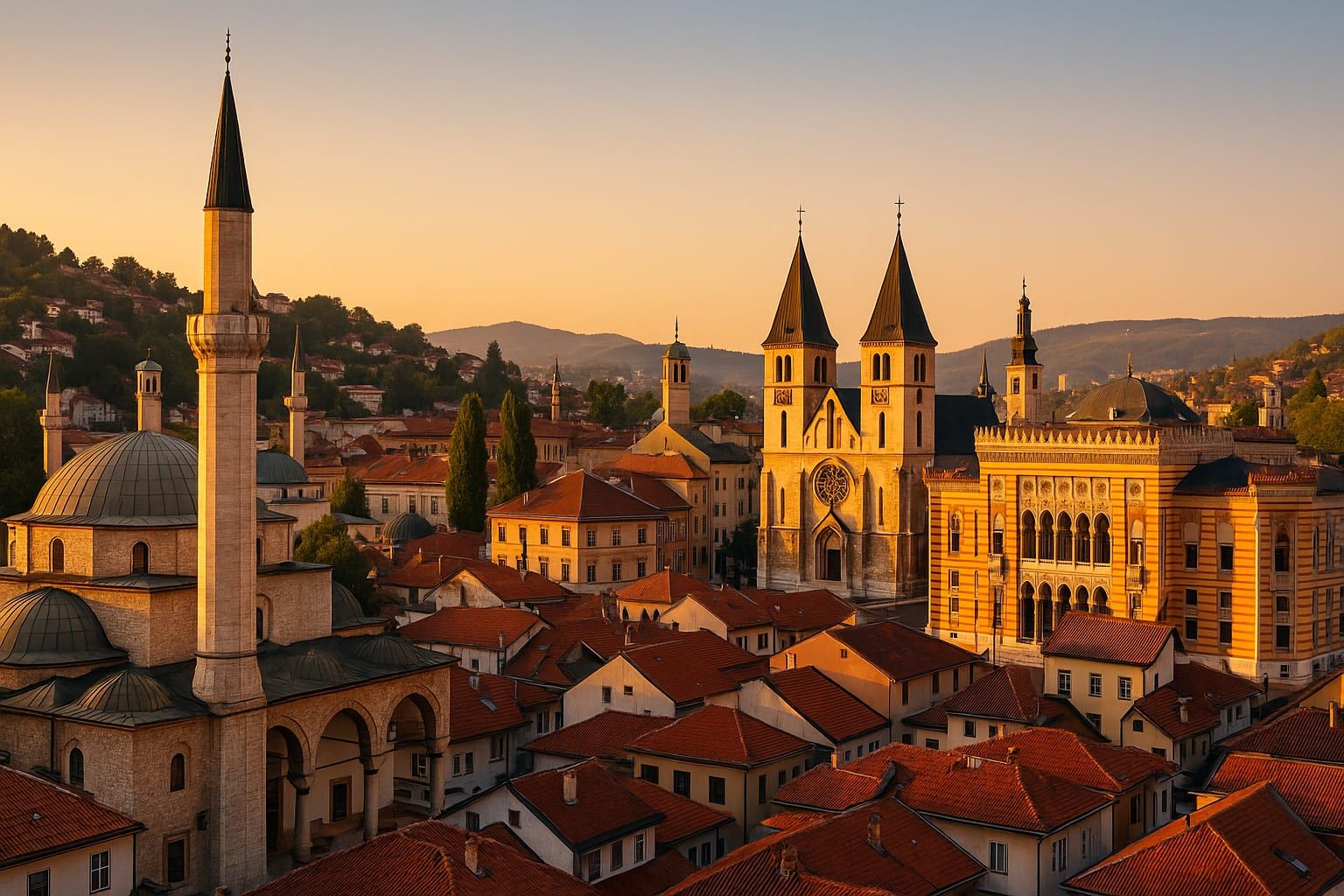
Sarajevo : la Jérusalem de l'Europe à découvrir
Découvrez Sarajevo — une capitale compacte et pleine d'âme où mosquées, églises et synagogues se côtoient, bazars ottomans et boulevards austro-hongrois se rencontrent, et l'histoire vibre à chaque...
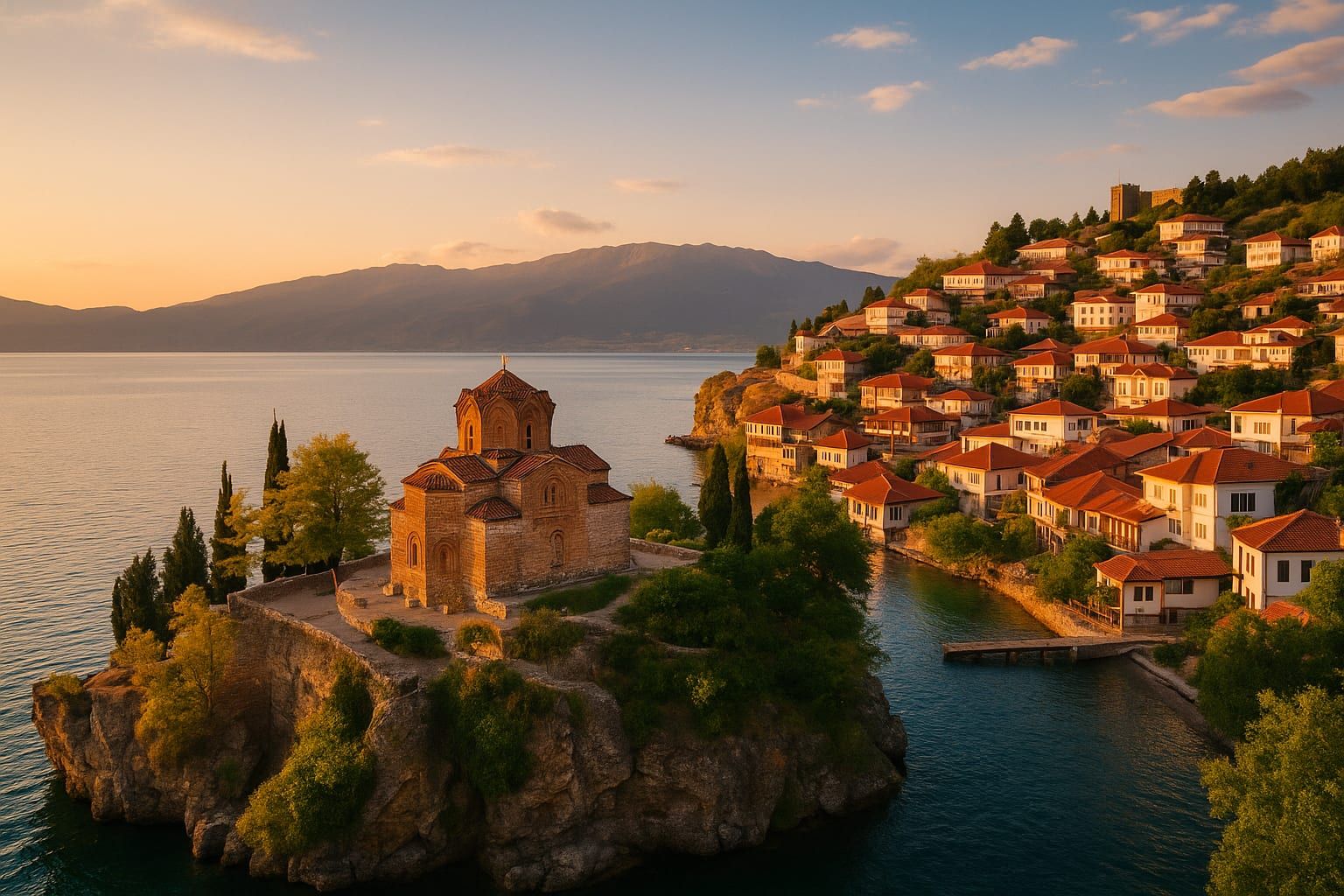
Ohrid : paradis lacustre caché
Découvrez Ohrid, Macédoine du Nord — un joyau lacustre classé par l'UNESCO. Eaux cristallines, églises anciennes, plages cachées et spécialités locales : guide pratique pour voir, faire et profiter.